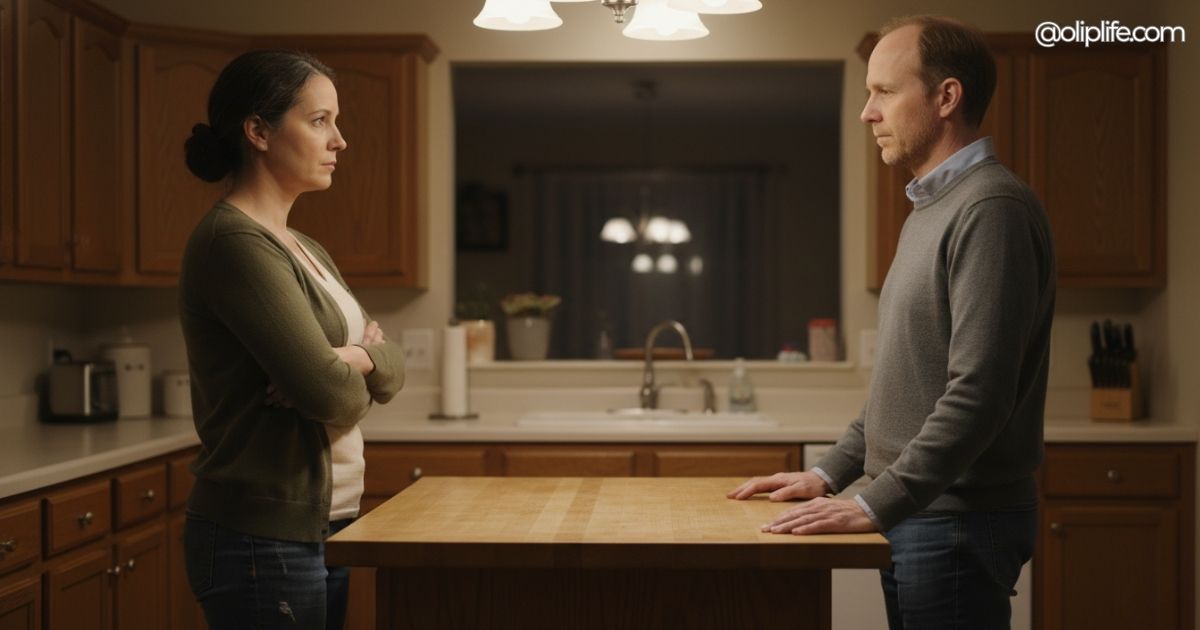
For a long time, I thought the hardest parenting arguments were about logistics.
Bedtime. Screens. Homework. Chores. Consequences.
Who forgot what. Who said yes. Who should have known better.
On the surface, that’s what our disagreements looked like too. Daniel and I would circle the same topics, voices calm but tight, each of us convinced we were discussing a concrete decision that needed to be resolved. The kids’ names came up constantly. Their behavior was analyzed. Their reactions were dissected.
It took me years to understand that many of those arguments were not actually about the kids.
They were about something older, quieter, and much harder to name.
The Argument That Kept Disguising Itself
There was one disagreement that returned often enough to feel familiar.
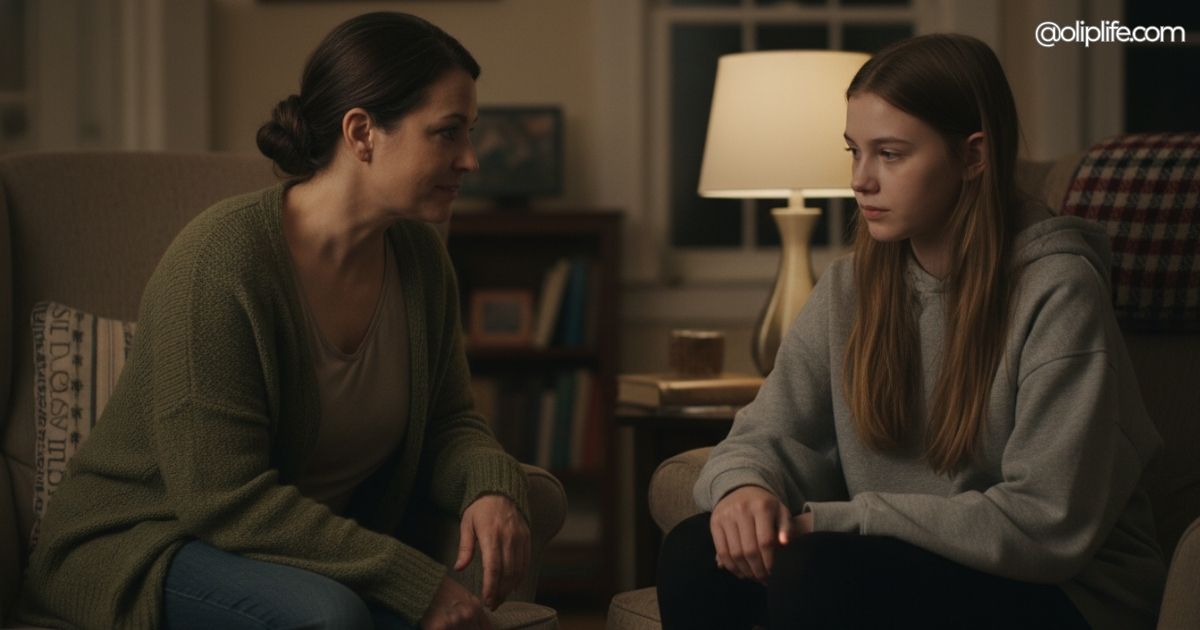
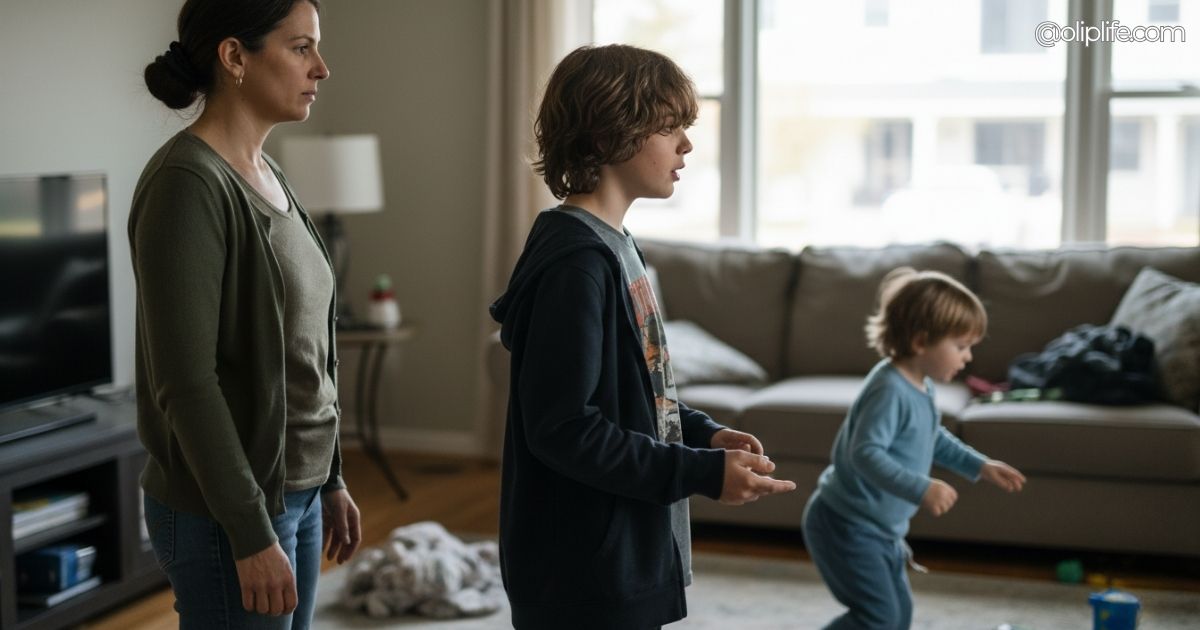
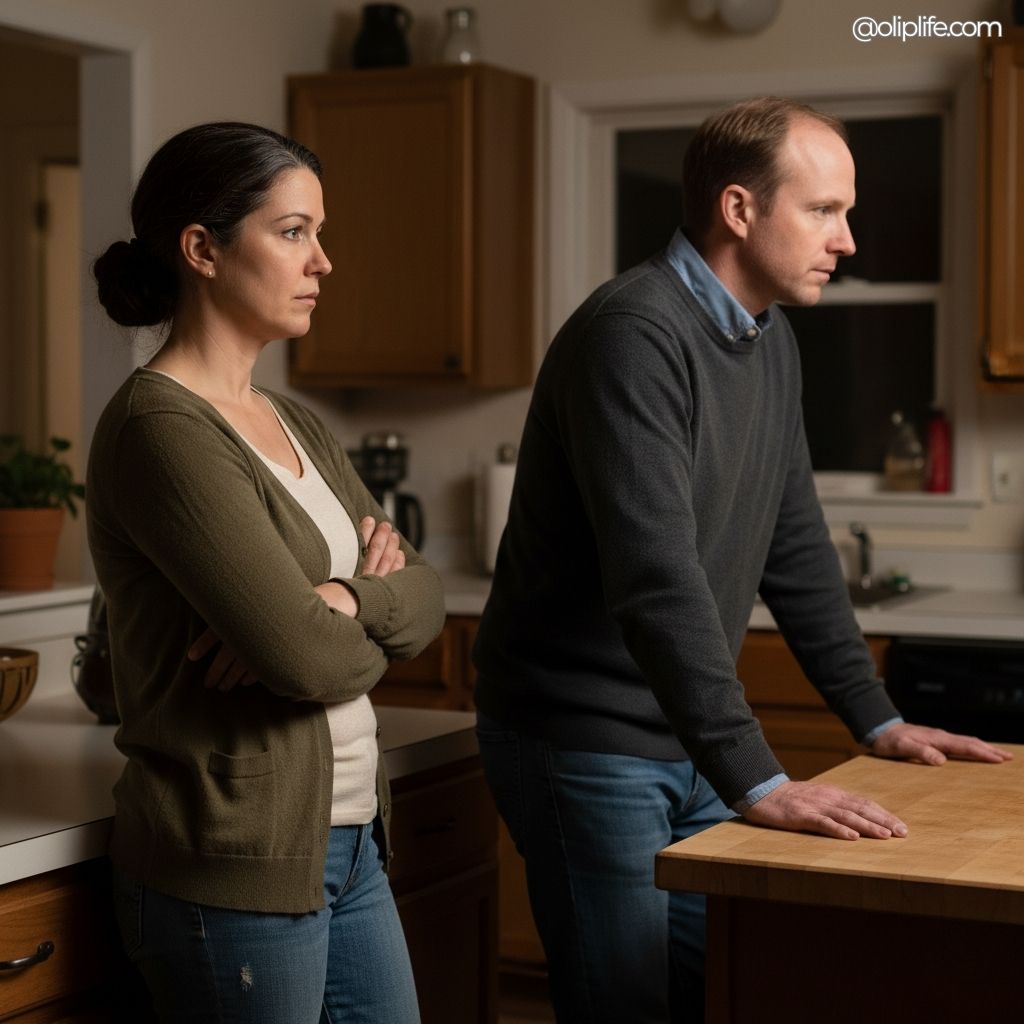
It usually started after a long day. One of the kids would struggle, emotionally or behaviorally, and Daniel and I would talk about it later, when the house was quiet. On the surface, we were deciding how to respond next time.
Should we step in sooner or let it play out?
Should we be firmer or more flexible?
Should we address it immediately or wait?
The conversation always followed the same arc. We stayed calm. We listened. We explained our perspectives carefully. And somehow, we both walked away feeling unheard.
That disconnect lingered.
What frustrated me most wasn’t that we disagreed. It was that the disagreement felt unresolved in a way that didn’t match the topic. The intensity didn’t line up with the issue itself. We weren’t debating something dangerous or urgent. We were discussing ordinary parenting choices.
And yet, the emotional charge was disproportionate.
When Reasonable Arguments Still Feel Heavy
It took time for me to notice this pattern, because everything about these conversations looked healthy from the outside.
We weren’t yelling.
We weren’t attacking each other.
We weren’t undermining one another in front of the kids.
By most standards, we were communicating well.
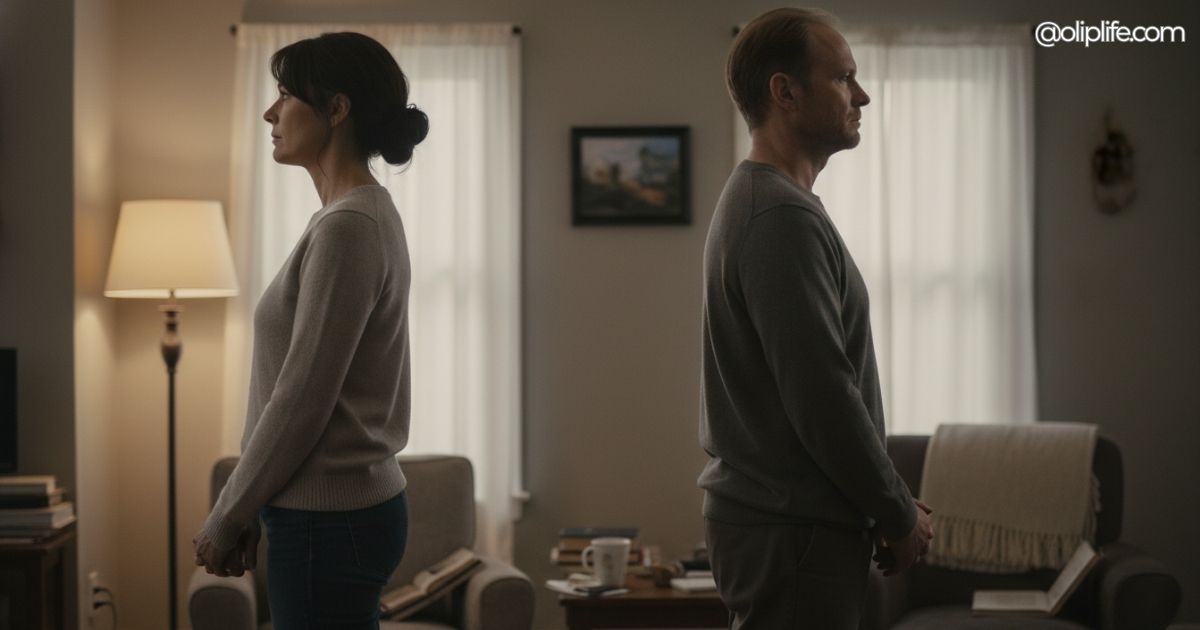
But I would walk away with a tight chest and a vague sense of disappointment, as if something important had gone unacknowledged. Daniel would grow quieter afterward, retreating into thought rather than continuing the conversation.
Nothing exploded. Nothing resolved either.
That combination was the clue I missed for a long time.
When an argument ends politely but leaves emotional residue behind, it’s often because the real issue never entered the room.
The Question That Changed How I Listened
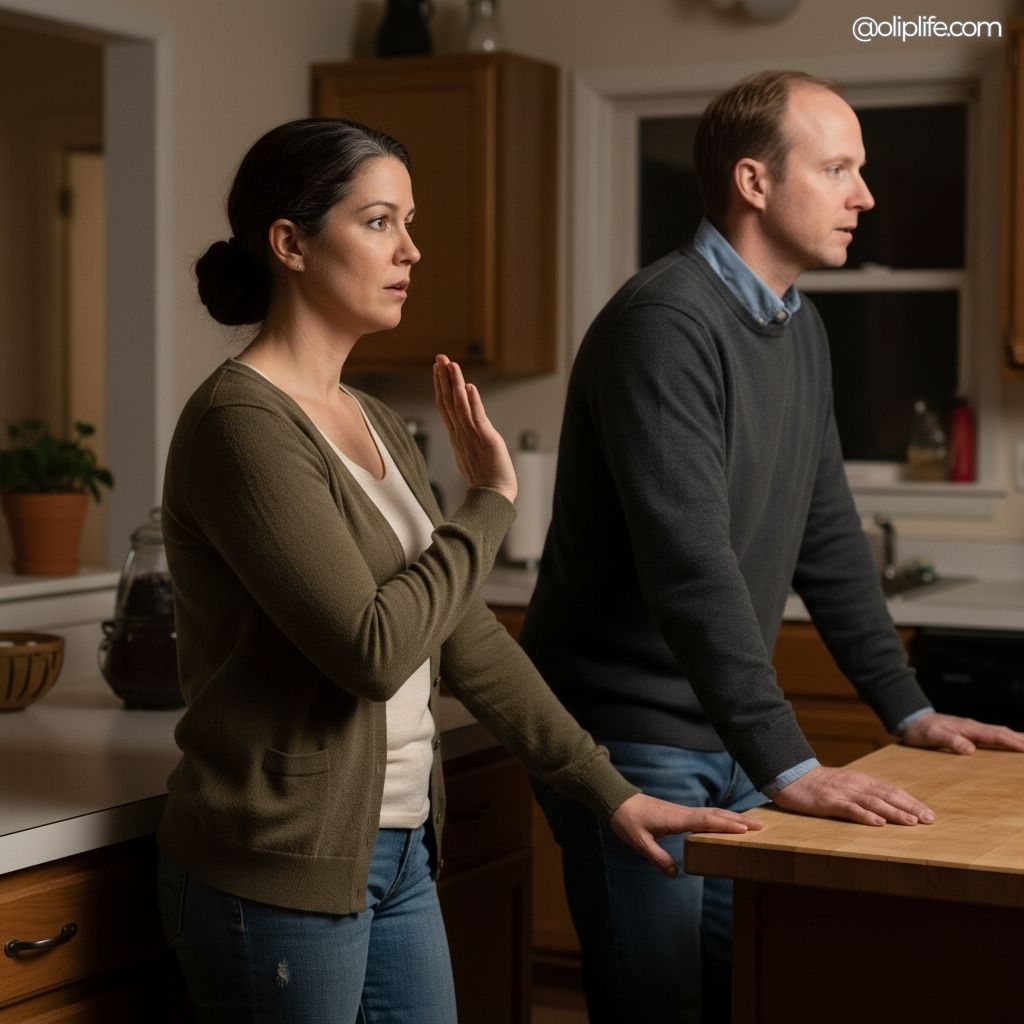
The shift came one evening when I caught myself rehearsing my points before Daniel had even finished speaking.
I wasn’t listening anymore. I was preparing.
That moment stopped me long enough to ask a different question, not out loud, but internally.
“What am I actually trying to protect right now?”
The answer surprised me.
I wasn’t trying to protect the kids from harm or poor decisions. I was trying to protect my sense of competence. My belief that I understood what our children needed. My fear of being the parent who missed something important.
Once I saw that, I couldn’t unsee it.
What Was Really Being Defended
Many parenting arguments sound like strategy discussions, but underneath them sit unspoken values.
Safety.
Autonomy.
Fairness.
Order.
Emotional expression.
Daniel and I both wanted what was best for our children. That part was never in question. What differed was which value we prioritized when those values came into conflict.
When I pushed for intervention, I was often prioritizing emotional validation and immediacy. I wanted our kids to feel understood in the moment, even if it made things messier short-term.
When Daniel leaned toward restraint, he was often prioritizing long-term resilience and perspective. He wanted the kids to work through discomfort without constant adult involvement.
Neither approach was wrong.
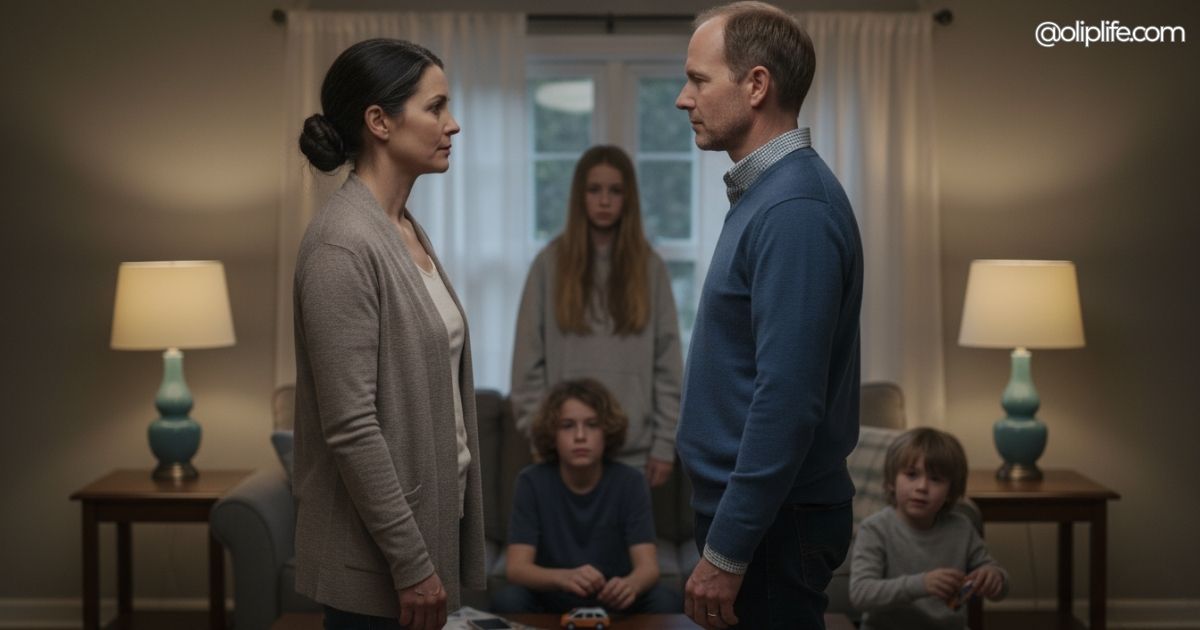
But we were arguing as if one of us needed to win.

How Childhood History Sneaks Into Parenting
The more I paid attention, the more I noticed how our own childhoods shaped these disagreements.
I grew up in a home where emotional needs were often minimized. You learned to cope quietly. You learned not to ask for too much. As a parent, I am acutely sensitive to moments where a child seems unseen, because I remember what it felt like to be overlooked emotionally.
Daniel grew up in a home where independence was valued early. Struggle was seen as formative. Adults trusted children to figure things out without constant guidance. As a parent, he is cautious about over-intervention because he fears robbing the kids of growth.
These histories didn’t cancel each other out.
They collided.
And every time we argued about a parenting decision, those unspoken histories were present, shaping our reactions even when we didn’t name them.
The Argument Beneath the Argument
Once I started listening for it, I could hear the subtext more clearly.
When I said, “I think we need to step in sooner,” what I often meant was, “I don’t want them to feel alone the way I once did.”
When Daniel said, “I think we should give them space,” what he often meant was, “I don’t want to underestimate what they’re capable of.”
Those are not opposing goals.
They are different fears.
And fear, when left unspoken, has a way of disguising itself as logic.
Why These Arguments Feel So Stuck
Parenting arguments that aren’t really about the kids tend to repeat because they are not solvable through compromise alone.
You can alternate approaches.
You can split decisions.
You can take turns leading.
But unless the underlying values and fears are acknowledged, the tension remains.
Each disagreement becomes a proxy for something deeper.
That’s why these arguments feel heavy even when they’re calm. You’re not just discussing tonight’s decision. You’re defending a worldview shaped by years of lived experience.
What Changed When We Named the Real Issue
The dynamic shifted slowly, not through one dramatic conversation, but through a series of quieter realizations.
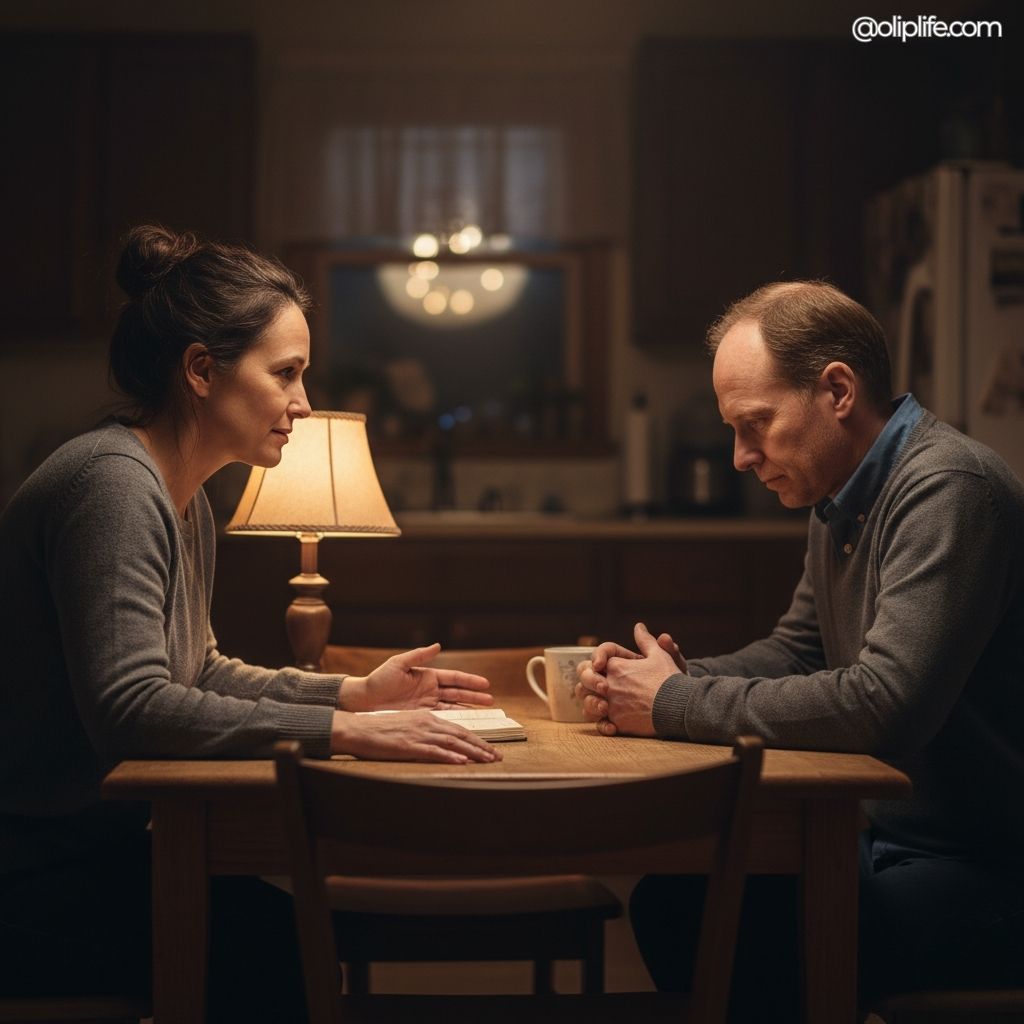
I stopped trying to convince Daniel that my approach was right and started explaining why it mattered to me.
Not in abstract terms. In personal ones.
I told him what I was afraid of missing.
I named the moments from my own childhood that shaped my instincts.
I acknowledged that my urgency wasn’t always about the situation at hand.
Daniel, in turn, began sharing his concerns more openly. He explained how intervention sometimes felt like a lack of trust, not just in the kids, but in the process of growth itself.
Once those fears were on the table, the arguments softened.
Not because we suddenly agreed on everything, but because we understood what was at stake emotionally for each of us.
The Kids Were Never the Enemy
One of the most important realizations in all of this was understanding that our children were not the source of the conflict.
They were the context.
The arguments weren’t caused by misbehavior or poor choices. They were triggered by moments that activated our deepest parenting instincts and insecurities.
Once I saw that, I stopped framing these disagreements as problems to eliminate and started treating them as information.
They told us where our values diverged.
They showed us where our histories still mattered.
They revealed what we were trying to protect.
How This Changed Our Parenting Conversations
Our conversations didn’t become shorter or simpler. They became more honest.
We still disagree.
We still feel strongly.
We still revisit the same themes.
But now, when a parenting argument starts to feel heavier than it should, one of us will pause and say something like, “I think this is about more than this moment.”
That pause changes everything.
It reminds us that we are not adversaries. We are two adults navigating a shared responsibility with different internal maps.
What I Wish I Had Known Earlier
I wish I had known sooner that not every parenting disagreement needs a decision at the end.
Some need understanding.
Some need context.
Some need time.
And some need the humility to admit that the argument isn’t actually about the kids at all.
Final Thoughts
Parenting arguments that linger are rarely signs of failure. They are signs of depth.
They show where values intersect, where fears surface, where history still holds influence.
When parents stop asking, “Who’s right?” and start asking, “What are we really arguing about?” something important shifts.
The conversation moves from strategy to understanding.
And in that space, partnership grows stronger, not because the disagreements disappear, but because they finally make sense.
Our children may never know the details of those conversations.
But they will feel the difference when the adults guiding them are no longer fighting unseen battles beneath the surface.
Sometimes, the most important work parents do happens far away from the kids, in the quiet recognition that not every argument needs a winner, only awareness.