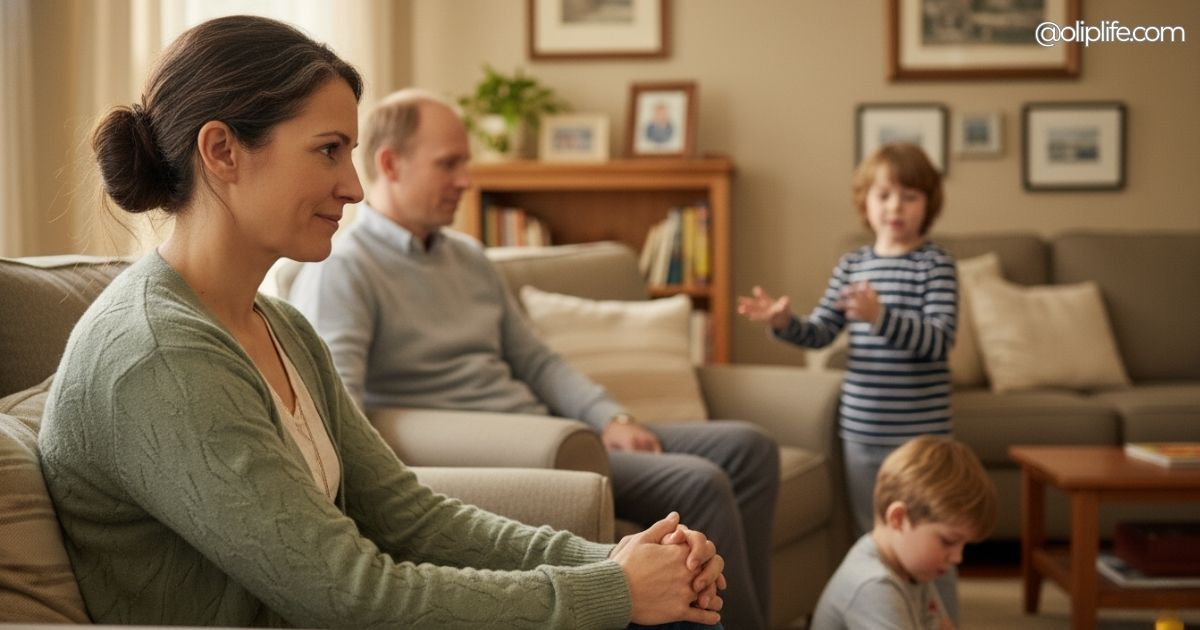
Control used to feel like love in our house.
Not the obvious kind of control that dominates or intimidates, but the quieter, more socially acceptable version. The kind that shows up as planning ahead, anticipating problems before they happen, smoothing rough edges before anyone else notices them. I told myself I was being responsible. Attentive. A good partner. If I could just stay one step ahead, if I could manage the details well enough, then things would stay calm, predictable, and safe for everyone.
For a long time, that belief went unchallenged.
What I didn’t realize was that my grip on control, however well-intentioned, was slowly reshaping our partnership in ways neither of us could name at first. Parenting didn’t create the issue, but it did expose it. It turned control from a private coping strategy into a shared strain, one that eventually forced us to look more honestly at how we were relating to each other.
Letting go of control didn’t weaken our family the way I feared.
It strengthened the partnership underneath it.

How Control Masqueraded as Competence
In the early years, control looked efficient.
Decisions were made quickly. Plans were clear. Roles were understood without needing constant conversation. When something went wrong, there was always a next step already lined up. From the outside, it looked like a partnership that worked smoothly, especially under pressure.
Inside, the dynamic was more complicated.
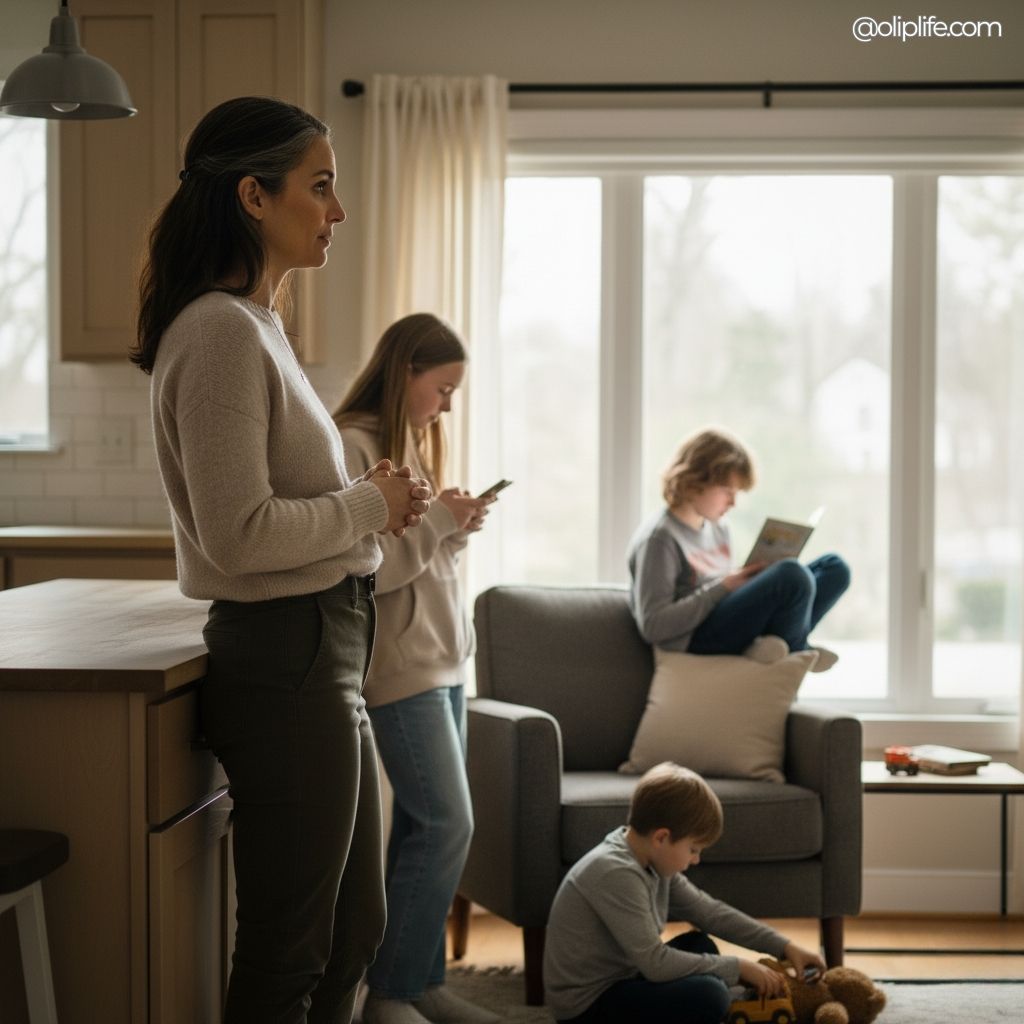
One of us often carried the invisible labor of deciding, anticipating, and adjusting. The other trusted that things were being handled, grateful for the stability but gradually less involved in the process itself. Neither of us named it, because naming it would have required slowing down, and slowing down felt risky.
Control felt safer than uncertainty.
Parenting Made the Pattern Visible
Before children, control stayed mostly internal.
It was about managing schedules, expectations, and shared responsibilities. Parenting changed that. Suddenly, decisions weren’t just logistical. They were emotional, ethical, and deeply personal. Every choice carried weight, not just for the household, but for developing human beings watching closely.
That’s when the imbalance began to surface.
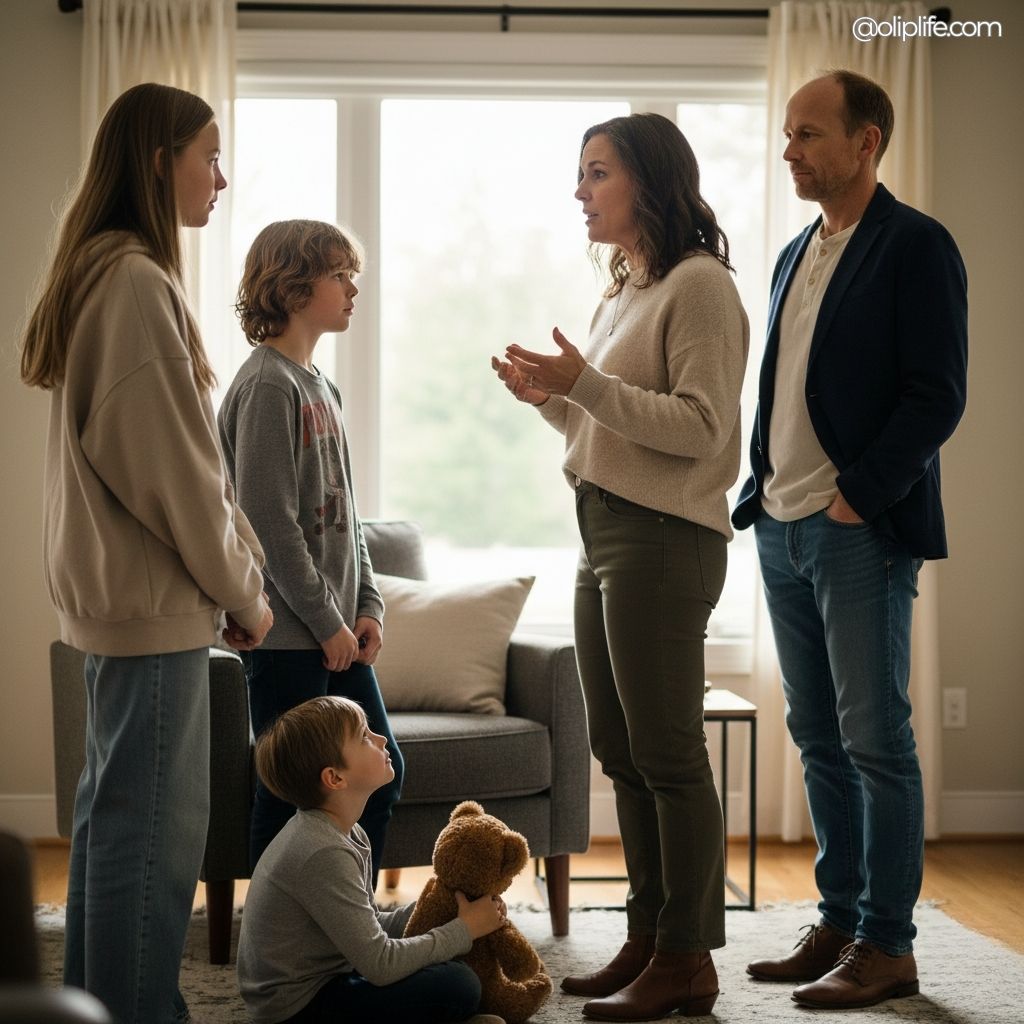
One parent’s instincts became the default simply because they were expressed first or with more certainty. The other parent’s ideas entered the conversation later, often framed as suggestions rather than foundations. We still agreed often enough to avoid overt conflict, but agreement didn’t always mean alignment.
Control doesn’t need opposition to exist.
It only needs momentum.
The Cost of Holding It All Together
At first, I felt proud of how much I could handle.
I told myself that carrying more meant contributing more, that taking the lead was a form of care. But over time, that sense of responsibility hardened into tension. I felt exhausted more often. Resentment flickered in moments where gratitude should have lived. I noticed how defensive I became when plans changed or when my partner approached things differently than I would have.
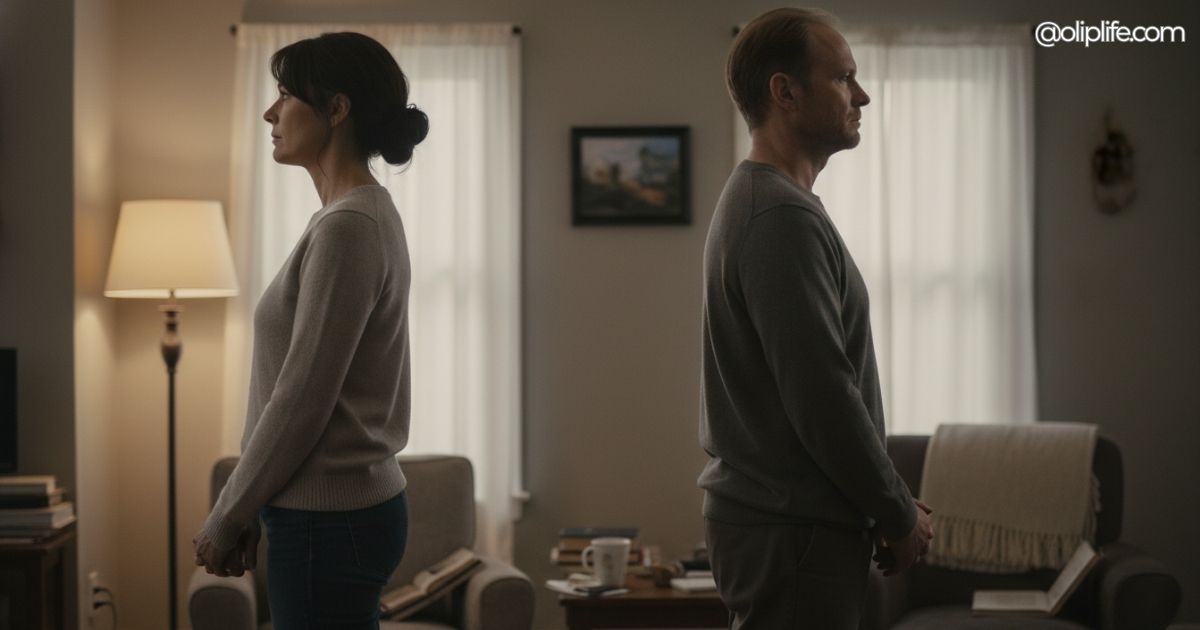
What I didn’t want to admit was that control had stopped feeling supportive.
It had started feeling lonely.
When one person holds the steering wheel too tightly, partnership turns into proximity rather than collaboration. Decisions may be shared, but ownership is not. Over time, that imbalance erodes trust on both sides, not because anyone is doing something wrong, but because the system itself doesn’t allow for mutual influence.
The Fear Beneath the Control
Letting go of control required me to confront what it was protecting.
Underneath it wasn’t arrogance or mistrust. It was fear. Fear that if I didn’t stay alert, things would fall apart. Fear that mistakes would have consequences we couldn’t undo. Fear that uncertainty would expose vulnerabilities we didn’t have time to manage.
Control gave me the illusion of safety.
But illusions require constant maintenance.
And parenting, relentless in its unpredictability, made that maintenance impossible.

The Moment Control Became the Problem
The turning point didn’t come during a dramatic argument.
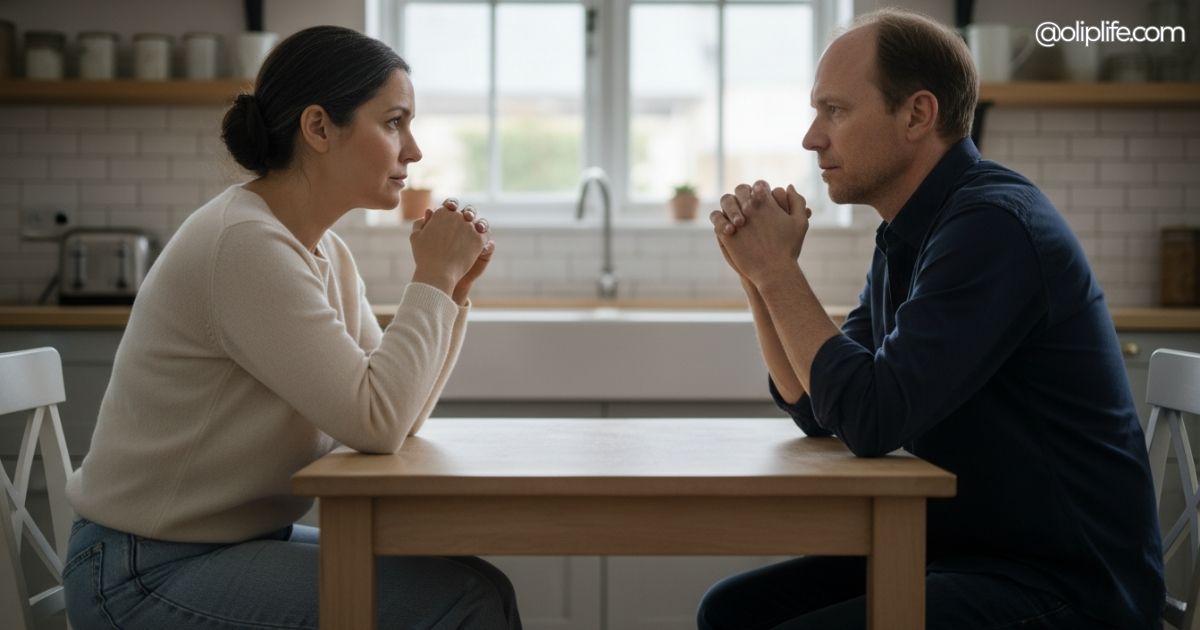
It came during a quiet conversation after a parenting decision that hadn’t gone the way I expected. I was explaining why my approach made sense, outlining the logic behind it, when my partner said something simple and steady.
“I don’t feel like there’s room for me in this.”
The sentence landed harder than any accusation could have.
Because it was true.
What Letting Go Actually Looked Like
Letting go of control didn’t mean becoming passive or disengaged.
It meant loosening my grip long enough to allow space for someone else’s thinking to shape the outcome. It meant resisting the urge to preemptively solve, explain, or correct. It meant sitting with discomfort when decisions unfolded differently than I would have chosen.
At first, this felt deeply inefficient.
Conversations took longer. Uncertainty lingered. Outcomes felt less predictable. But something else began to change alongside that discomfort.
We started thinking together again.
How Partnership Replaced Performance
When control softened, collaboration returned.
Decisions were no longer about defending the “right” approach. They became opportunities to integrate perspectives. My partner spoke more freely, not just about what they thought we should do, but about why it mattered to them. I listened differently, not because I was trying to agree, but because I was genuinely curious again.
That curiosity changed the emotional tone of our partnership.
We stopped performing competence for each other and started sharing uncertainty instead. And uncertainty, it turned out, was not the threat I had imagined.
It was connective.
The Shift Our Children Noticed
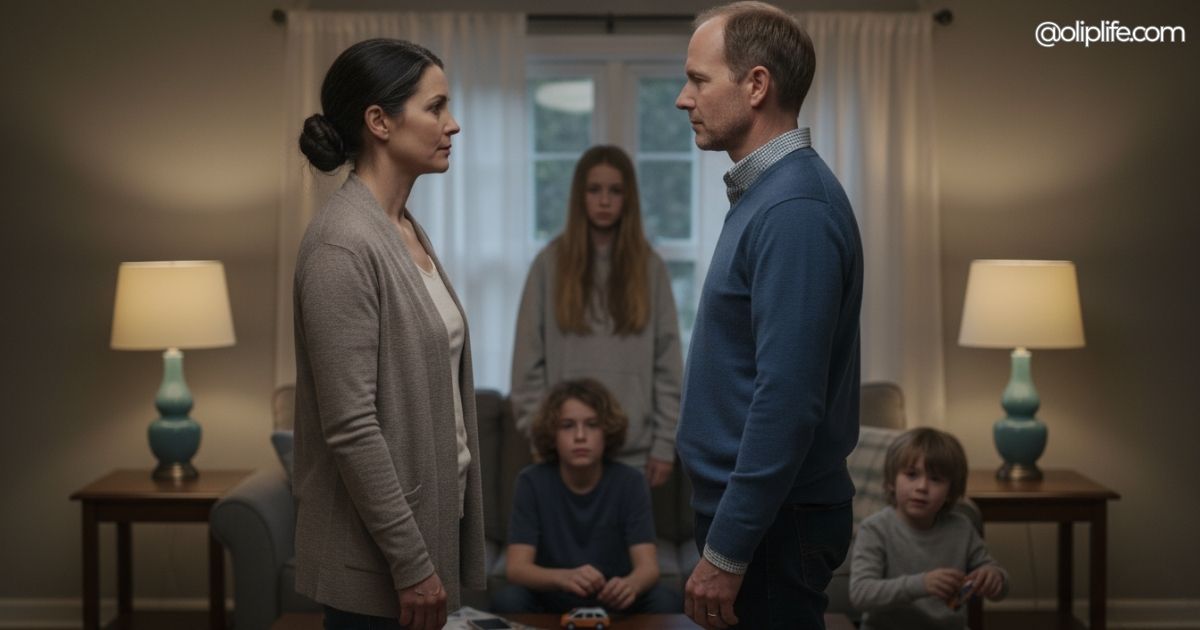
Children sense shifts in relational dynamics long before adults articulate them.
They noticed when decisions sounded more collaborative. They noticed when disagreement didn’t immediately resolve into one clear authority voice. They noticed when both parents remained engaged even after different opinions were expressed.
The household felt less rigid, even though boundaries still existed.
And interestingly, the kids seemed more regulated within that flexibility. They weren’t bracing against control. They weren’t testing it as often either. They trusted that decisions were being made thoughtfully rather than reactively.
Letting go of control didn’t create chaos.
It created trust.
What Control Had Been Teaching Without Meaning To
Looking back, I can see the subtle lessons control had been teaching.
It taught that certainty was more valuable than conversation.
It taught that efficiency mattered more than mutual influence.
It taught that one person’s calm depended on another person’s compliance.
Those were not lessons we wanted our children absorbing.
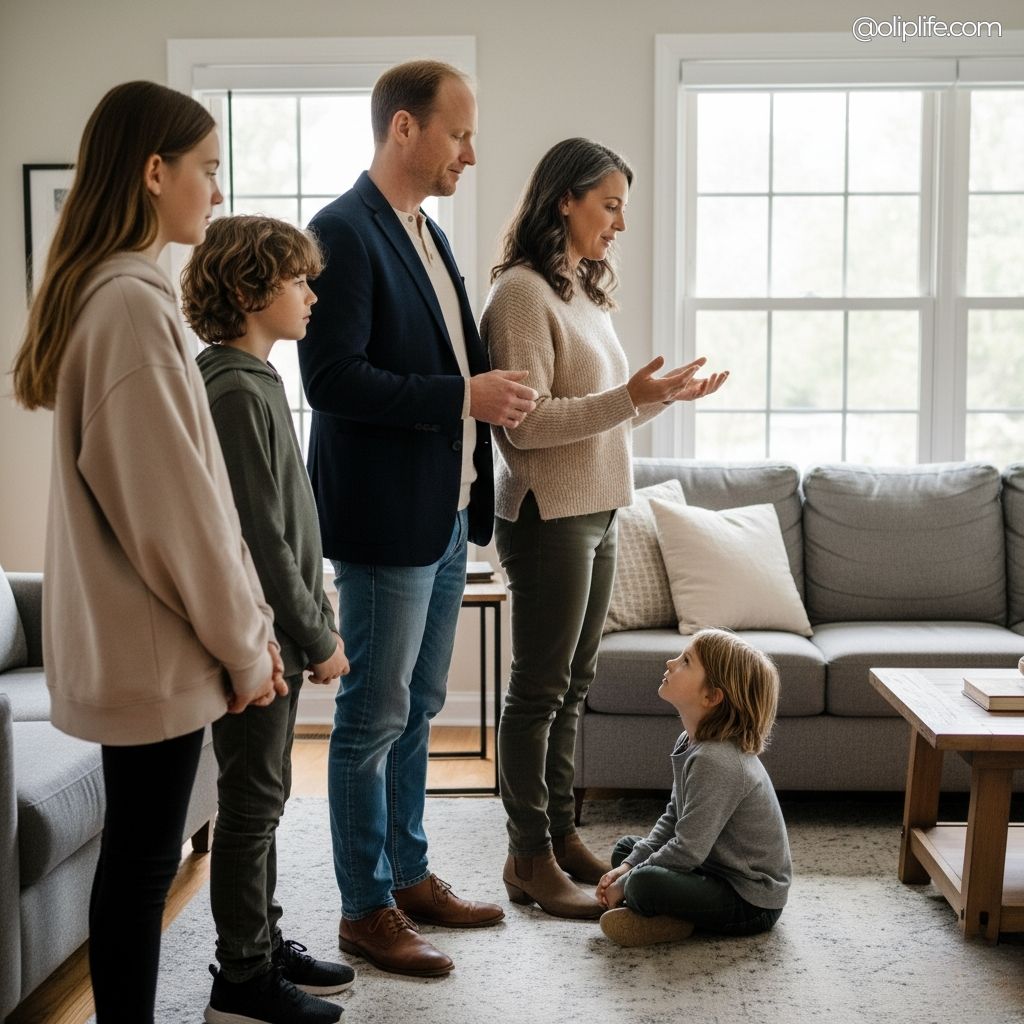
By letting go of control, we began modeling something else entirely. That partnership involves negotiation. That strength includes listening. That leadership doesn’t require dominance.
Those lessons were quieter.
They were also deeper.
Rebuilding Balance Without Losing Structure
One of my biggest fears was that releasing control would mean losing structure.
That didn’t happen.
What changed was who held the structure.
Instead of one person carrying the weight of direction, it became something we built together. Boundaries were still clear, but they were reinforced by shared understanding rather than unilateral decision-making. When adjustments were needed, they came from dialogue instead of correction.
Structure didn’t disappear.
It became sturdier.
What I Hold Onto Now
Letting go of control is not a one-time decision.
It’s a practice.
There are still moments when stress tightens my instincts, when certainty feels safer than openness. But now I recognize that impulse for what it is, a signal to slow down rather than clamp down.
I ask myself different questions.
Am I trying to prevent discomfort, or create connection?
Am I protecting outcomes, or the relationship?
Those questions guide me back toward partnership.
Final Thoughts
Why letting go of control strengthened our partnership isn’t a story about giving something up.
It’s a story about making room.
Room for difference. Room for shared leadership. Room for uncertainty without collapse. When control loosened, trust grew. When trust grew, collaboration followed. And when collaboration became the foundation again, our partnership felt less strained and more resilient.
Control can keep things running for a while.
But partnership is what keeps them alive.
Letting go of control didn’t make us less capable parents or partners.
It made us more connected ones.
And in the long run, that connection has proven to be the strongest structure we could have built together.