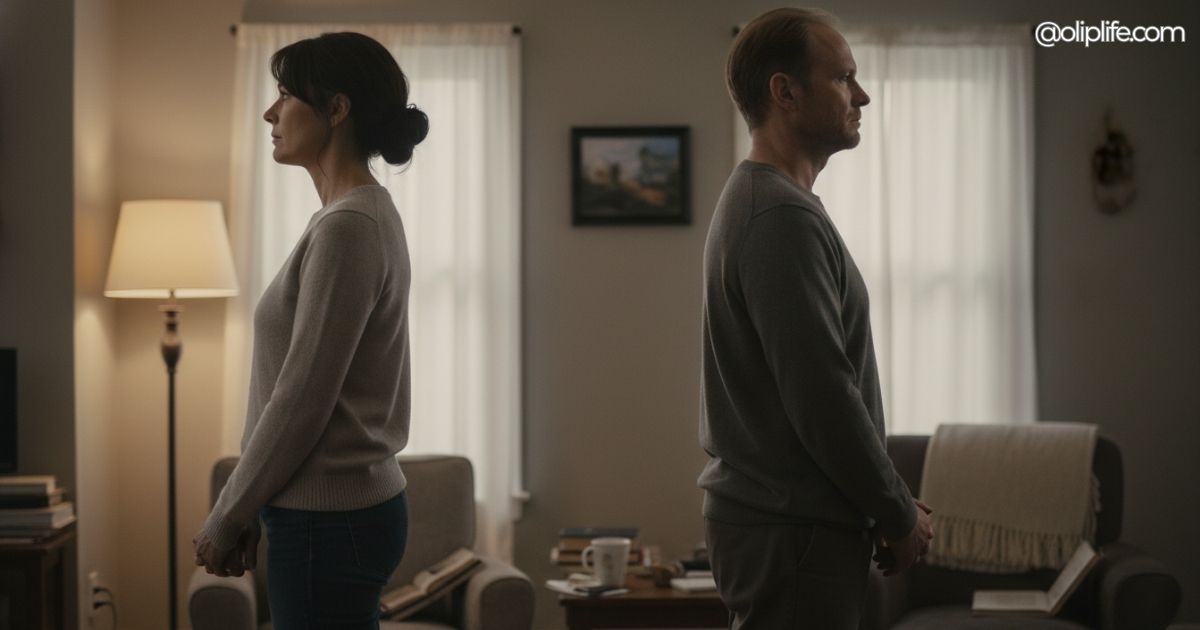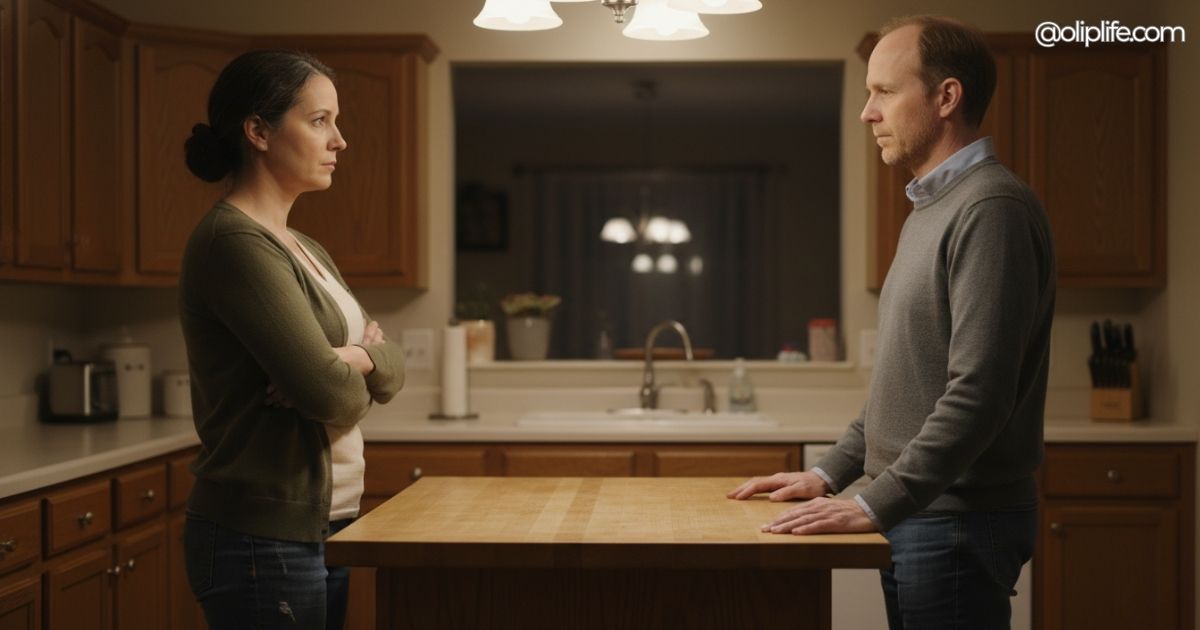
The disagreement ended earlier than I expected, not because it was resolved, but because both of us fell quiet at the same time.
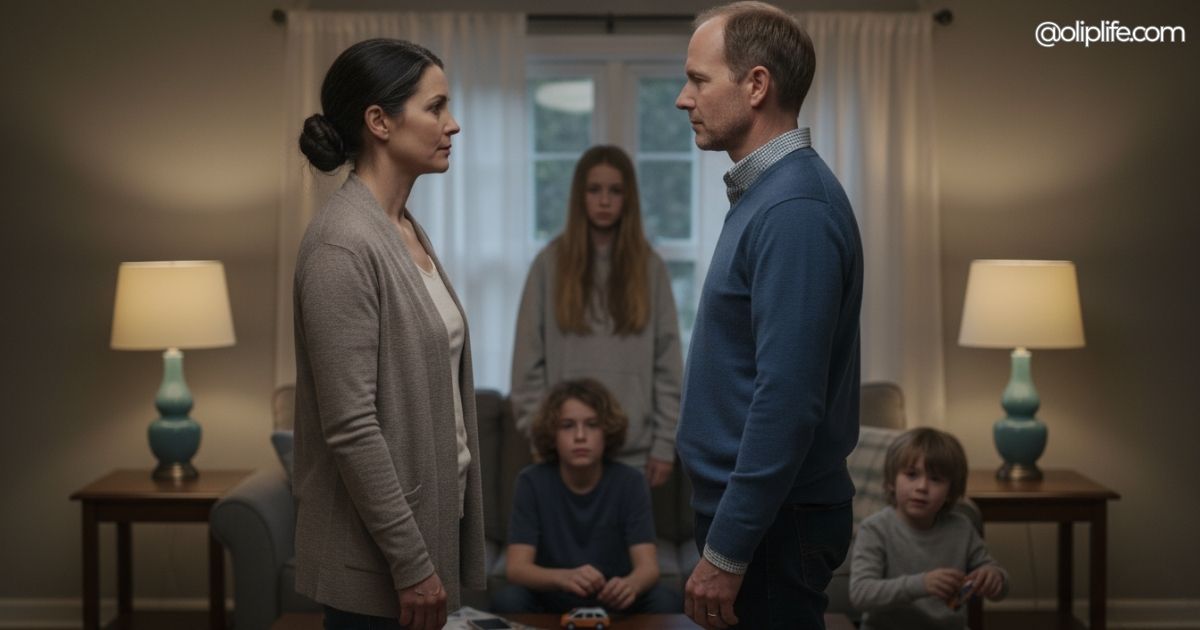
It wasn’t a calm silence. It was the kind that settles when words stop being useful, when continuing would only harden positions instead of clarify them. The kids were still nearby, not actively listening, but close enough to sense the shift in the room. They went back to what they were doing with the casual alertness children have when something emotional is unfolding just outside their line of sight.
In the past, this would have been the end of it. We would have moved on, let the tension dissipate on its own, and assumed that protecting the kids meant keeping everything smooth and unexamined. That day, though, something lingered. Not urgency, not anger, but the awareness that what came next mattered more than the disagreement itself.
Because disagreement was never the part our children were learning from.
Repair was.
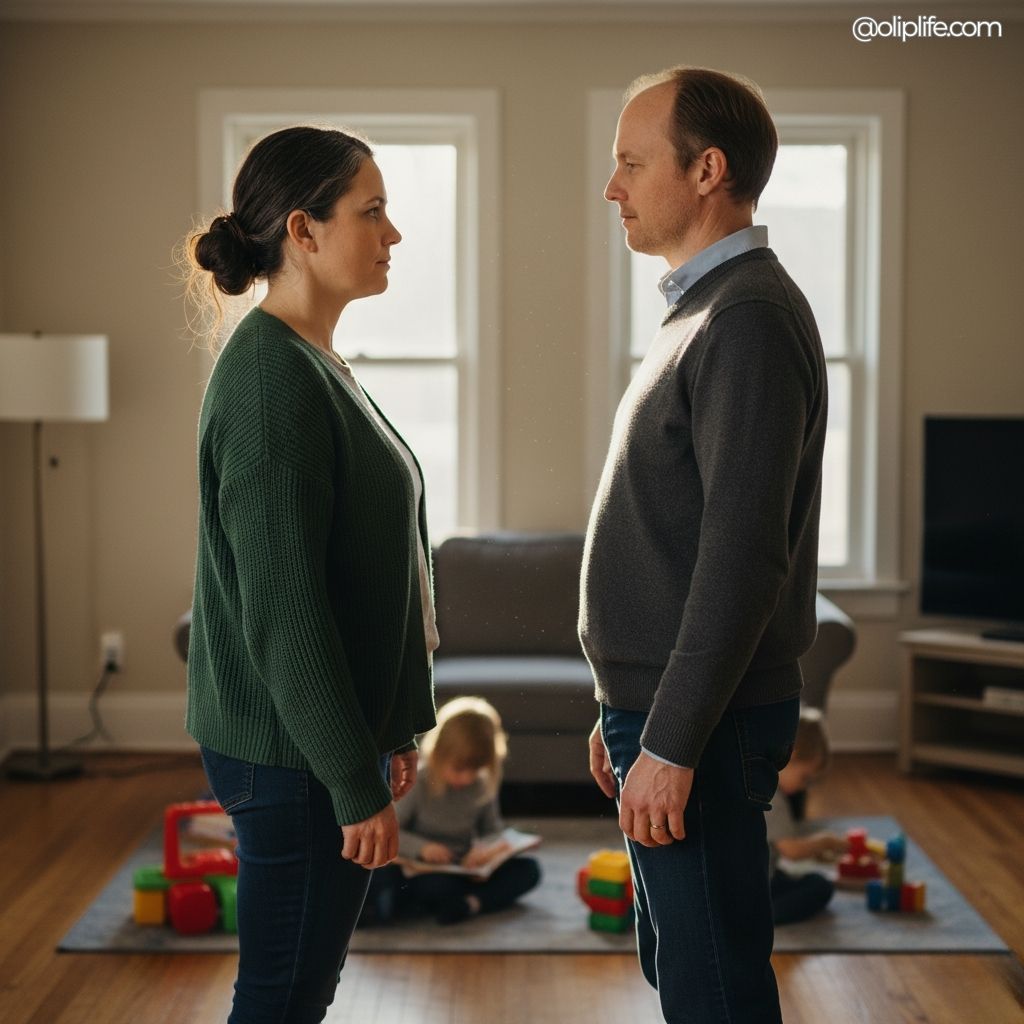
What Kids Notice Long Before They Understand
Children are extraordinarily perceptive observers of adult behavior, especially in moments when emotions shift but explanations don’t follow. They notice tone before content, posture before language, distance before words. Long before they can articulate what feels off, they register changes in emotional availability and relational safety.
When my partner and I disagreed, our kids didn’t need to hear every word to know something had happened. They sensed it in the way conversation tightened, in the pause before one of us spoke again, in the subtle reorganization of the room. What they watched next was far more instructive than the disagreement itself.
Did we avoid each other?
Did we move on without acknowledgment?
Did warmth return, or did distance quietly settle in?
Those answers formed lessons our children absorbed without being taught.
Why We Used to Hide the Repair
For a long time, we believed that repairing privately was the responsible thing to do.
We thought we were protecting our kids from adult complexity, shielding them from uncertainty, preserving a sense of stability by keeping emotional work behind closed doors. Disagreements were managed quietly. Repairs, when they happened, were subtle or invisible.
The intention was good.
The impact was incomplete.
By hiding repair, we unintentionally taught our children that conflict either disappears on its own or gets buried somewhere they couldn’t see. We taught them that emotional rupture was something to move past silently rather than something to engage with openly and thoughtfully.
They learned how to witness tension.
They didn’t learn how to resolve it.
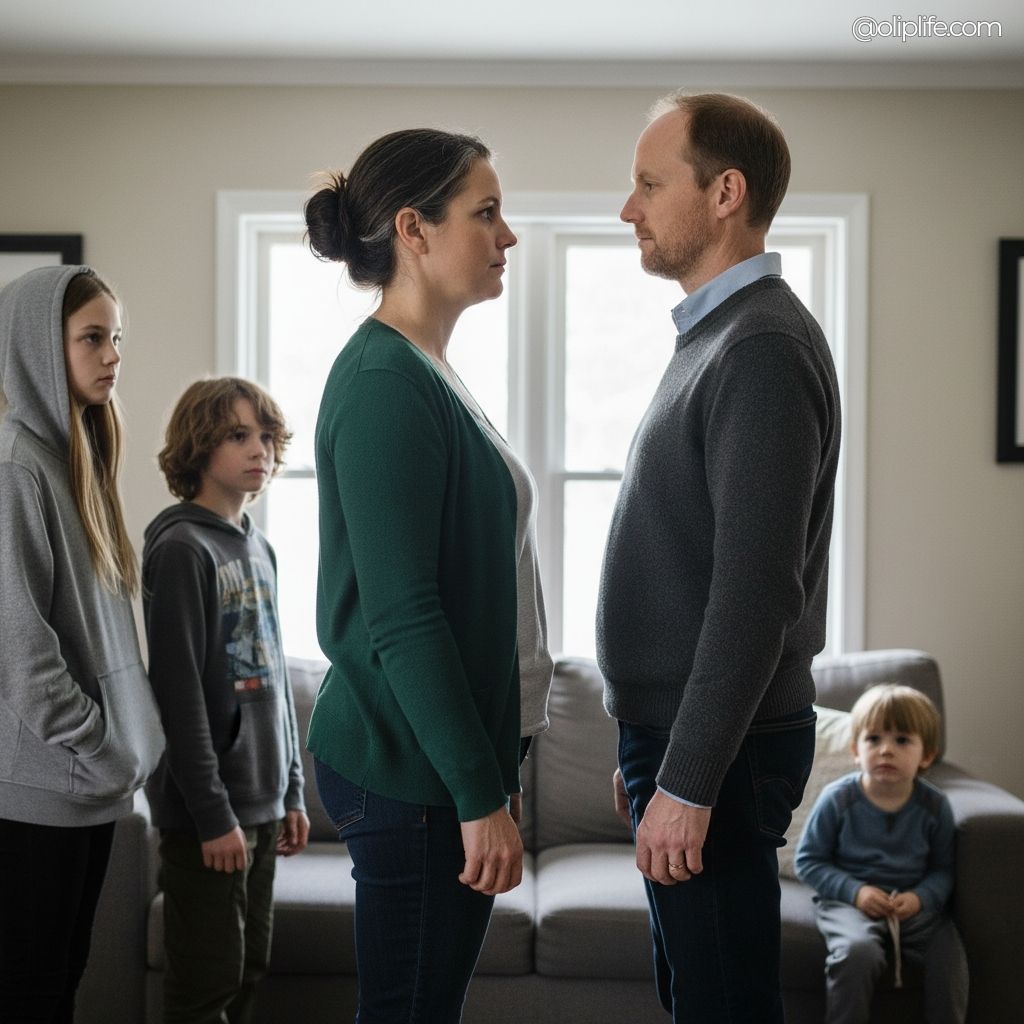
What Changed When Repair Became Visible
The shift happened slowly, not because we made a conscious parenting decision, but because life demanded more honesty than our old approach could support. Disagreements became more complex. Stress made avoidance harder. Silence began to feel less like protection and more like distance.
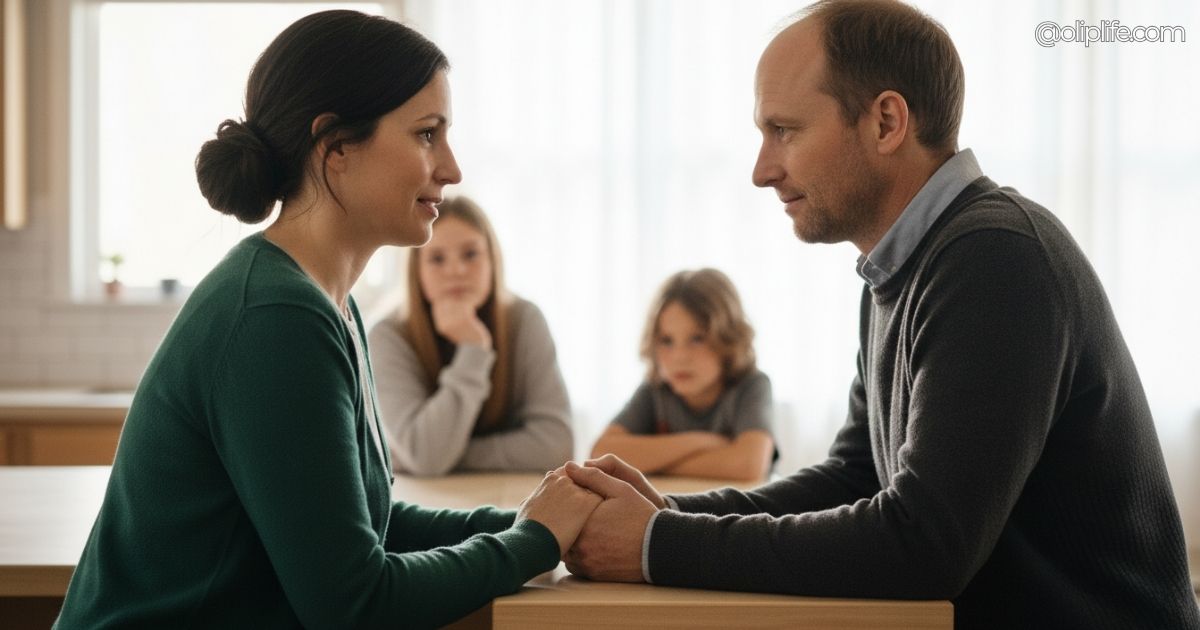
So we started repairing where our kids could see us.
Not dramatically. Not performatively. But clearly enough that the process was visible.
We named misunderstandings. We acknowledged tone. We revisited decisions that didn’t sit right. We said things like, “I’ve been thinking about what you said earlier,” or “I don’t think I handled that the way I wanted to.”
At first, it felt exposed.
Then it felt necessary.
The Subtle Lessons Children Take In
What our children learned watching us repair had very little to do with the specifics of any disagreement.
They learned that disagreement doesn’t end connection.
They learned that adults can reflect and revise.
They learned that authority doesn’t require certainty at all times.
Perhaps most importantly, they learned that repair is not a sign of failure, but of care.
When children see adults return to each other after tension, they internalize the idea that relationships are resilient, not fragile. They begin to understand that rupture is part of closeness, not a threat to it.
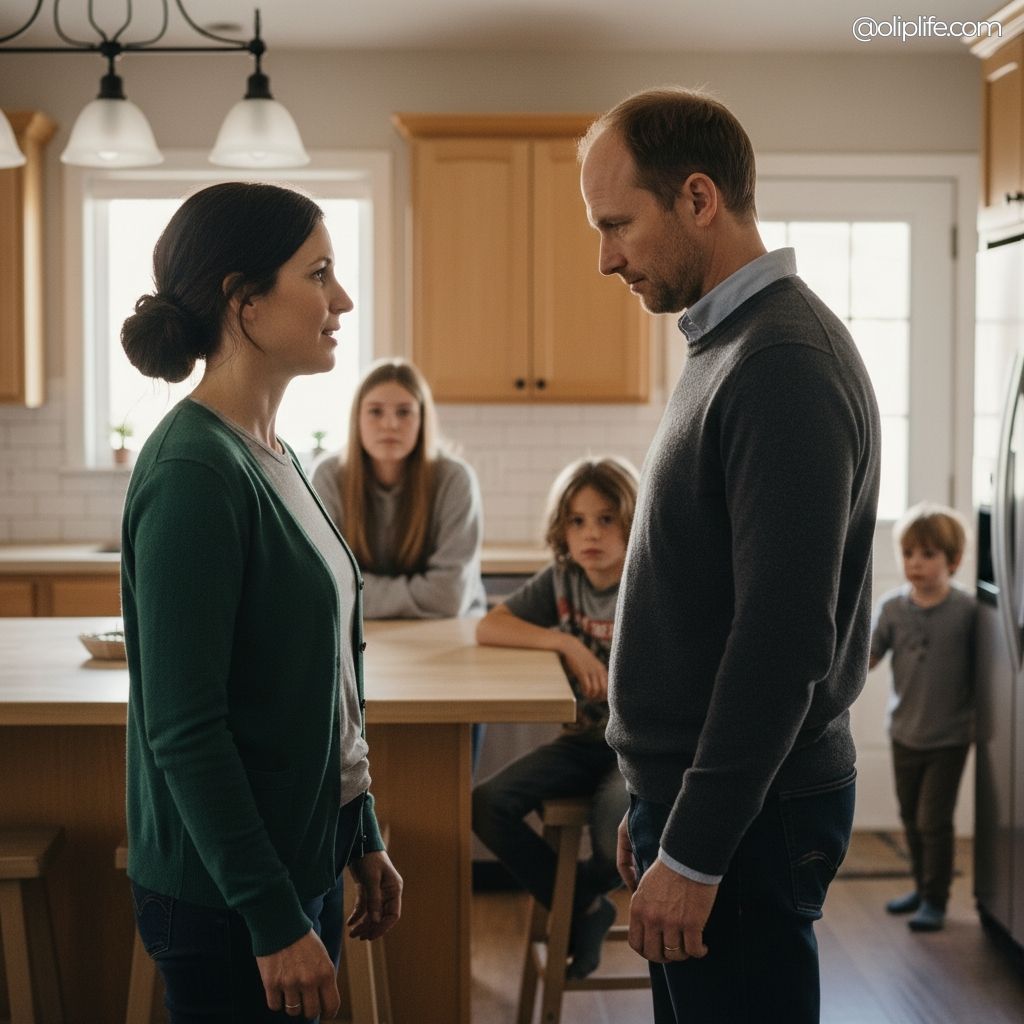
Repair as Emotional Literacy
Repair teaches a language children don’t learn through rules.
It teaches how to name impact without blame.
It teaches how to tolerate discomfort without escaping it.
It teaches how to hold responsibility without collapsing into shame.
By watching us repair, our children learned that emotions can be revisited safely, that difficult conversations don’t have to end in winners and losers, and that it’s possible to stay connected even when perspectives differ.
Those lessons didn’t come from lectures.
They came from observation.
What Changed in Our Children’s Behavior
Over time, we noticed subtle shifts.
The kids became less reactive to adult disagreement. They didn’t tense up as quickly when voices rose or tones shifted. They trusted that conflict would be followed by reconnection, which gave them a sense of emotional predictability that had been missing before.
They also began attempting repair themselves.
Not perfectly. Not consistently. But sincerely.
They checked in after arguments. They revisited moments where they had hurt each other. They showed more willingness to listen after calming down, because they had seen that listening didn’t erase their own experience.
Repair became part of the family culture.
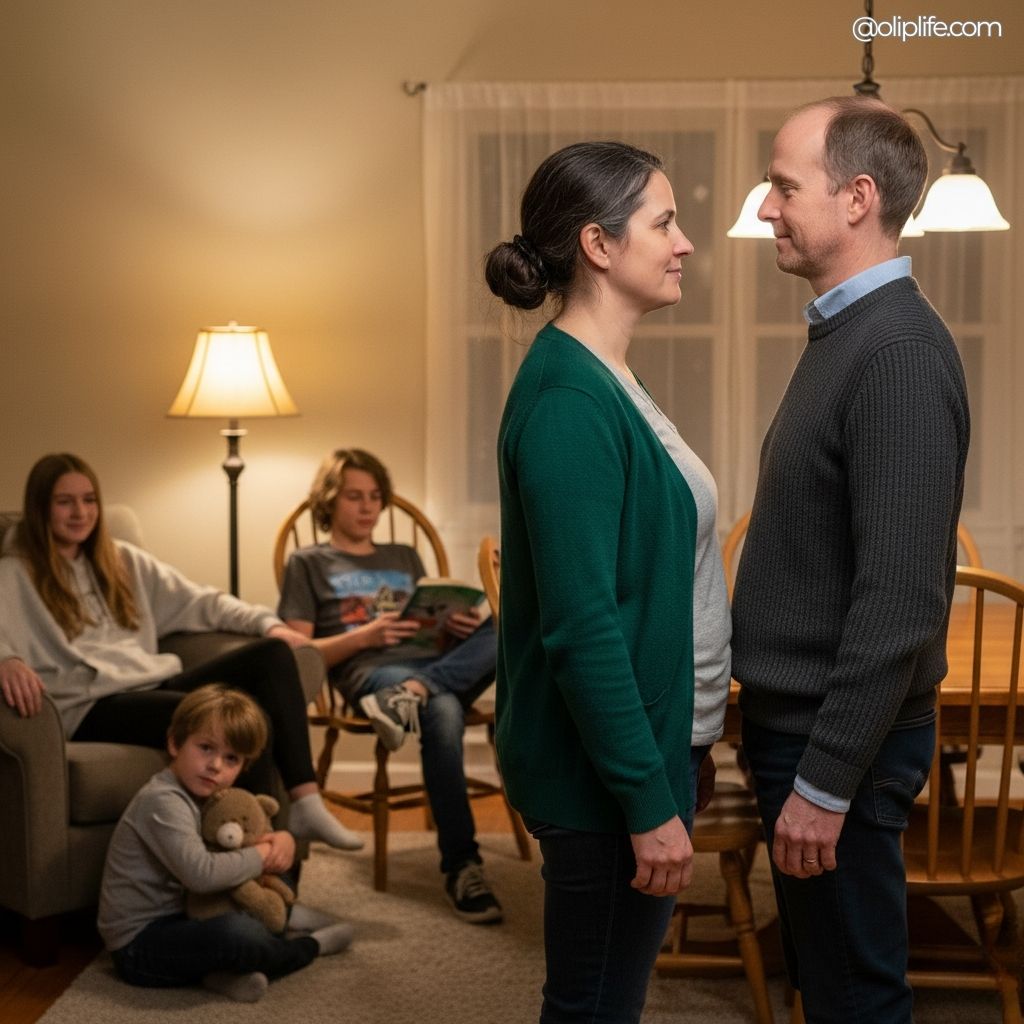
Why Repair Feels Harder Than Resolution
Resolution feels clean.
It ends the problem. It restores order. It allows everyone to move on. Repair, on the other hand, requires staying with discomfort a little longer. It asks adults to admit imperfection, to tolerate vulnerability, and to prioritize relationship over being right.
For parents, that can feel counterintuitive.
We are often taught that leadership means decisiveness and certainty. Repair requires something different. It requires humility without loss of authority, openness without chaos.
When children witness that balance, they learn that strength and softness are not opposites.
The Difference Between Watching and Experiencing Repair
One of the most surprising outcomes was how differently our children experienced their own conflicts after seeing ours repaired openly.
They no longer rushed to end arguments just to restore peace. They were more willing to sit in the discomfort of being misunderstood for a moment, trusting that clarity could follow. They didn’t assume that a harsh word or emotional outburst meant the relationship was at risk.
They had seen enough evidence to know otherwise.
Repair created emotional safety not by eliminating conflict, but by making its aftermath predictable and safe.
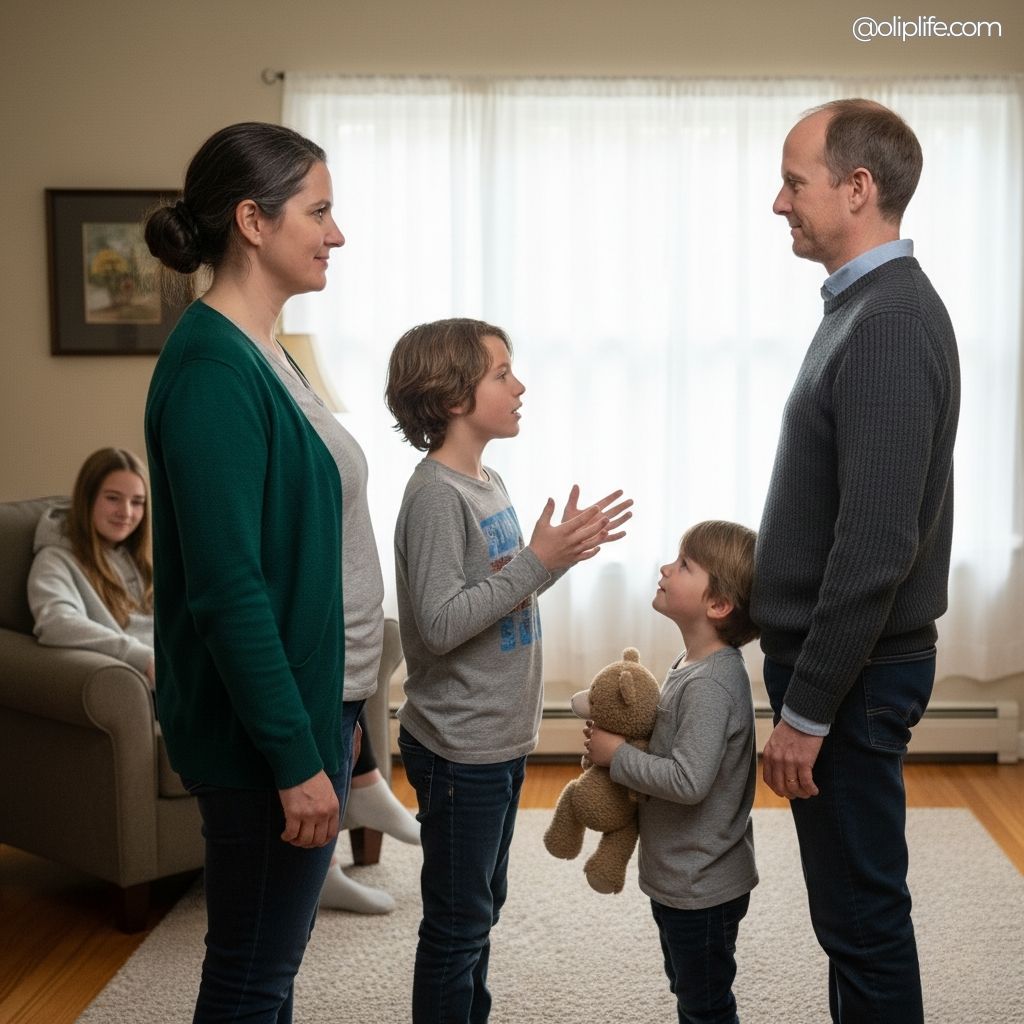
What We Had to Unlearn as Parents
To model repair honestly, we had to let go of the idea that good parenting meant always appearing composed and aligned.
We had to accept that our children would see us struggle, rethink, and occasionally get it wrong. We had to trust that witnessing imperfection paired with repair was more valuable than witnessing polished control.
That unlearning was uncomfortable.
It was also freeing.
We no longer carried the burden of pretending that disagreement didn’t exist. We could show our kids what it looks like to work through it instead.
The Long-Term Impact We’re Only Beginning to See
The lessons our children learned watching us repair are still unfolding.
They show up in how they approach friendships, how they recover after mistakes, how they interpret tension in relationships. They carry an internal map that tells them conflict doesn’t equal abandonment and that repair is always an option.
That map will guide them far beyond our home.
It will shape how they love, how they advocate for themselves, and how they stay connected even when things get hard.
What I Hold Onto Now
I no longer worry as much about my children witnessing disagreement.
I pay attention to what they witness afterward.
Do they see reflection?
Do they see accountability?
Do they see reconnection?
Those moments matter far more than the disagreement that preceded them.
Final Thoughts
What our children learned watching us repair after disagreement wasn’t taught deliberately, but it may be one of the most enduring lessons we’ll ever offer.
They learned that relationships are not defined by the absence of conflict, but by the presence of repair. They learned that love doesn’t require perfection, but it does require return. They learned that connection can bend, stretch, and even fracture briefly without breaking.
When parents choose to make repair visible, they give their children a quiet but powerful inheritance.
The knowledge that no matter how hard a moment becomes, there is a way back to each other.
And that knowledge, once learned, stays with them for life.