I didn’t notice the roles forming at first because nothing about them felt intentional.
There was no conversation where we decided who would be responsible, who would be sensitive, who would be easy, or who would absorb the tension when the room got tight. No one assigned titles. No one voted. And yet, over time, each child began to occupy a very specific emotional position in our family, as if the household itself had quietly sorted everyone into place.
What unsettled me later was not that the roles existed. It was how naturally they emerged, and how easily we, the adults, benefited from them without meaning to.
How Roles Form When No One Is Looking
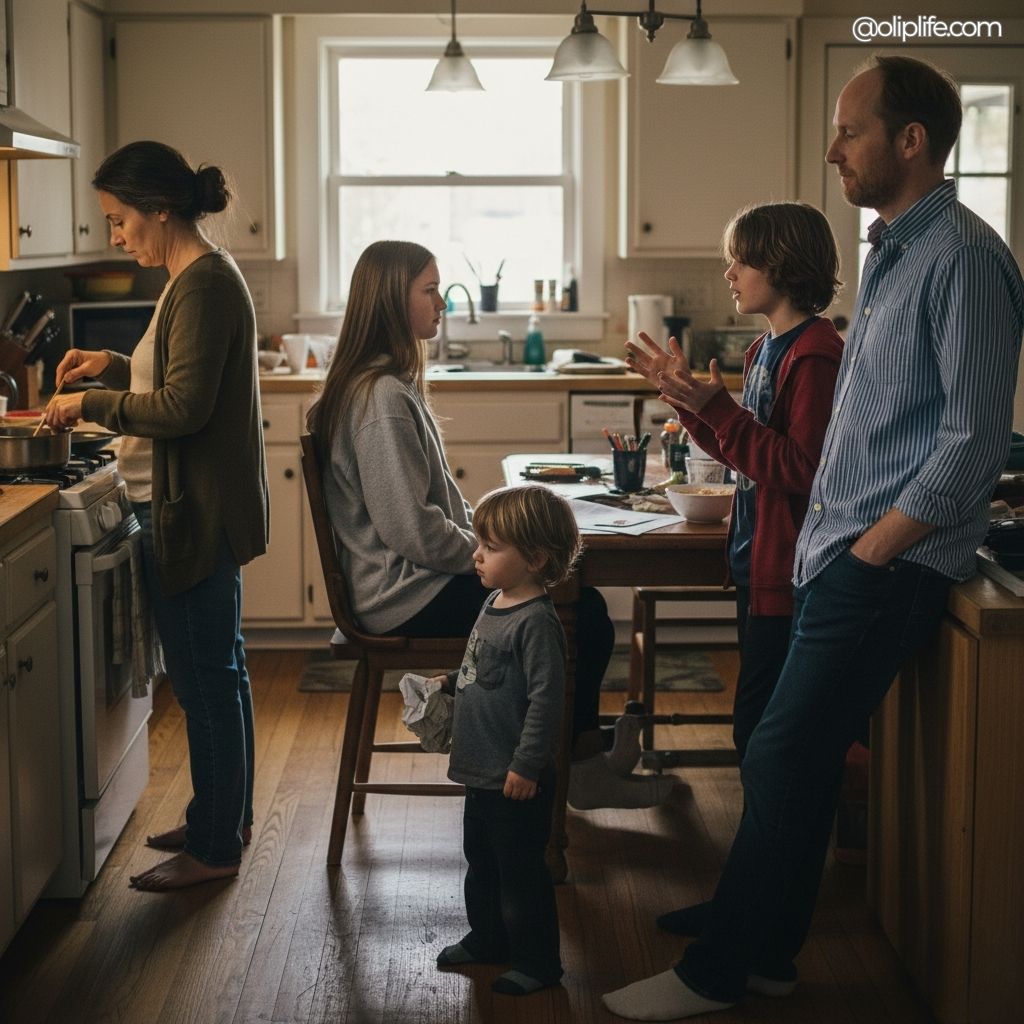
Roles rarely arrive during big moments. They are shaped in the in-between spaces, during repetition, during stress, during the thousand small decisions parents make while trying to keep life moving.
When one child reacts strongly, we brace ourselves.
When another child adapts quietly, we exhale.
When one child smooths things over, we rely on it.
When another pushes back, we label it as difficult.
None of this happens maliciously. It happens because families are systems, and systems seek balance, even if that balance comes at a cost to someone inside it.
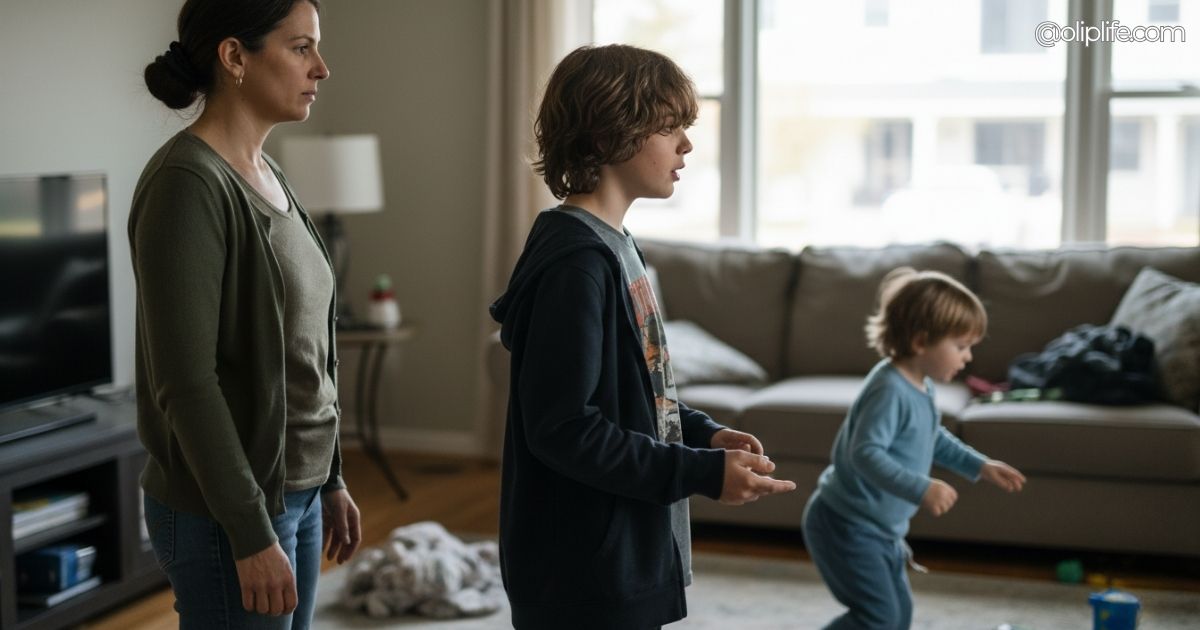
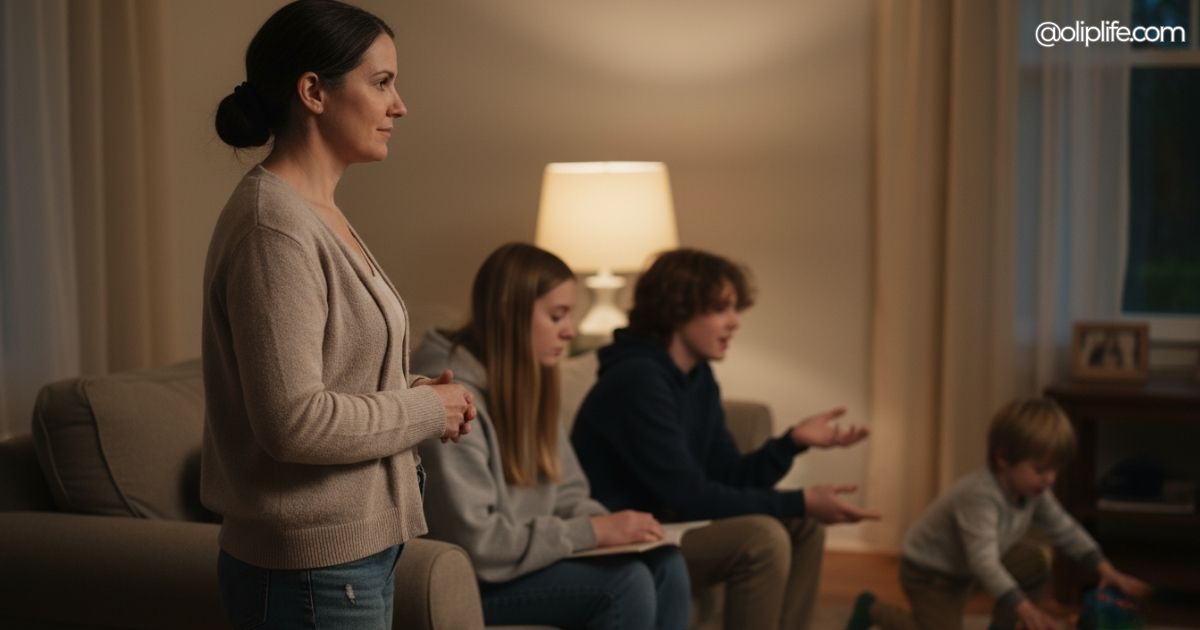
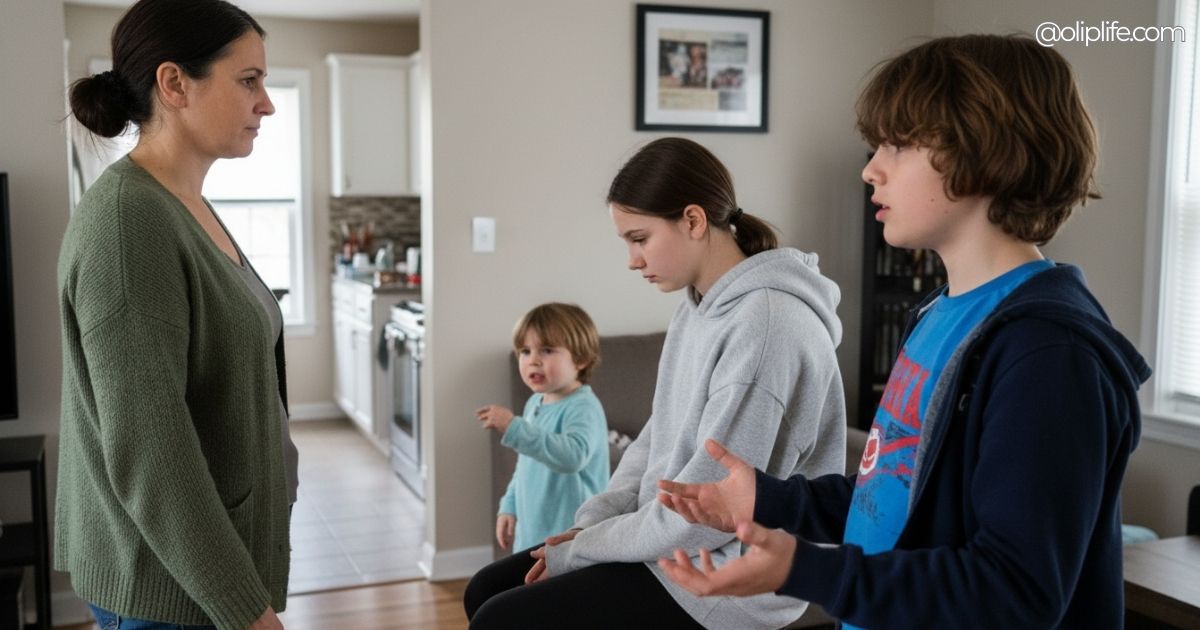
I began to see this clearly one evening when all three kids reacted to the same situation in completely different ways.
It wasn’t a crisis. Just a change of plans.
Dinner was later than usual. Everyone was hungry. Tension was already hovering. I expected mild irritation across the board.
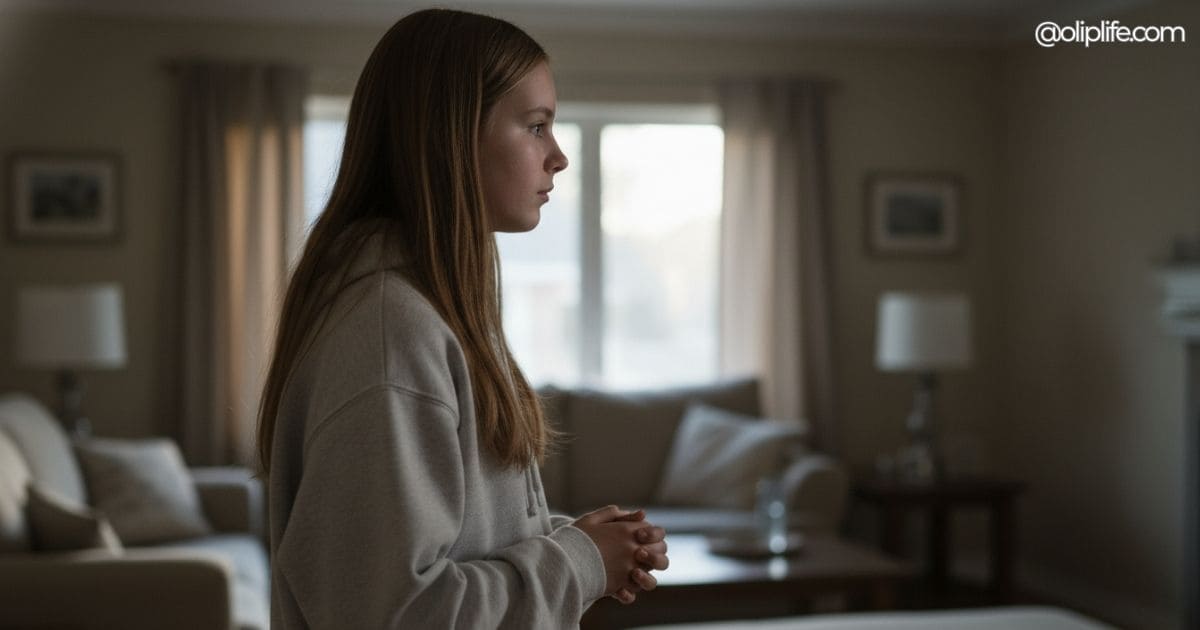
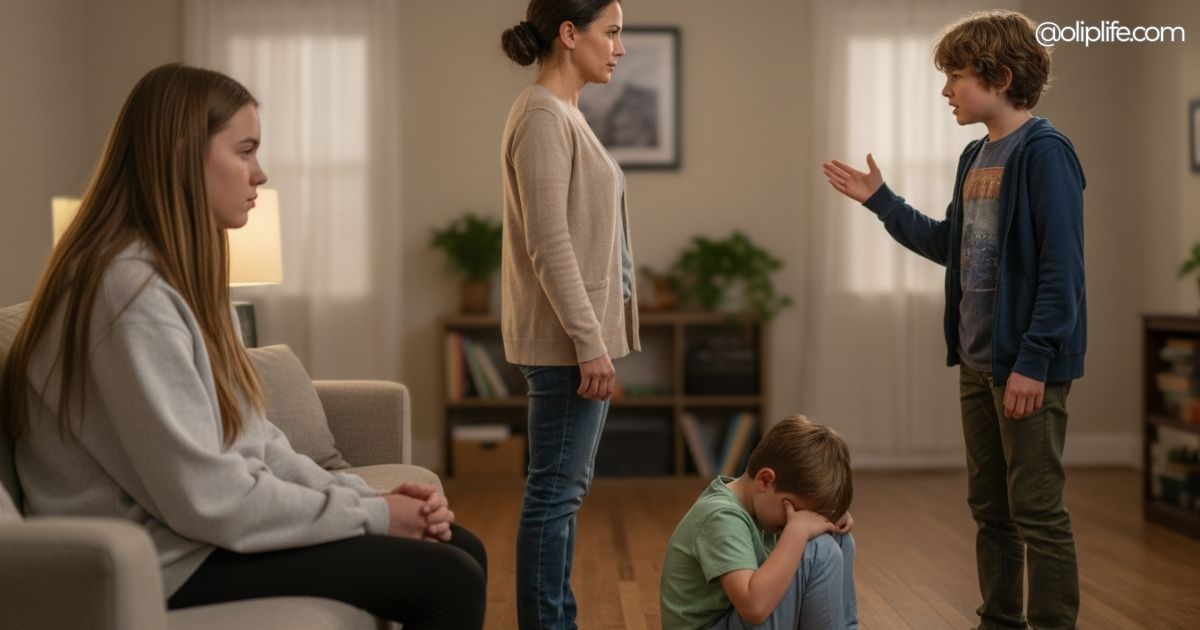
Instead, Lucy withdrew.
Ben argued.
Owen melted down.
Three children. One situation. Three distinct emotional responses.
And suddenly, I could see the roles they had been rehearsing for years.

Lucy: The Quiet Stabilizer
Lucy, our oldest, has always been observant. She notices shifts in tone before anyone names them. When the emotional weather changes, she adjusts herself accordingly, often without being asked.
That night, when dinner was delayed, she didn’t complain. She didn’t ask questions. She simply removed herself from the room and retreated into quiet activity, as if minimizing her presence would reduce the overall strain.
At first glance, this looked like maturity.
It took me a long time to understand that it was also adaptation.
Lucy learned early that being low-maintenance made things easier for everyone. She learned that when she needed less, the household functioned more smoothly. Over time, that translated into a role where she absorbed discomfort silently rather than contributing to it.
We praised her for being understanding.
We thanked her for being patient.
We trusted her to handle herself.
And without realizing it, we taught her that her needs were safest when they stayed small.
Ben: The Challenger
Ben reacts to imbalance differently.
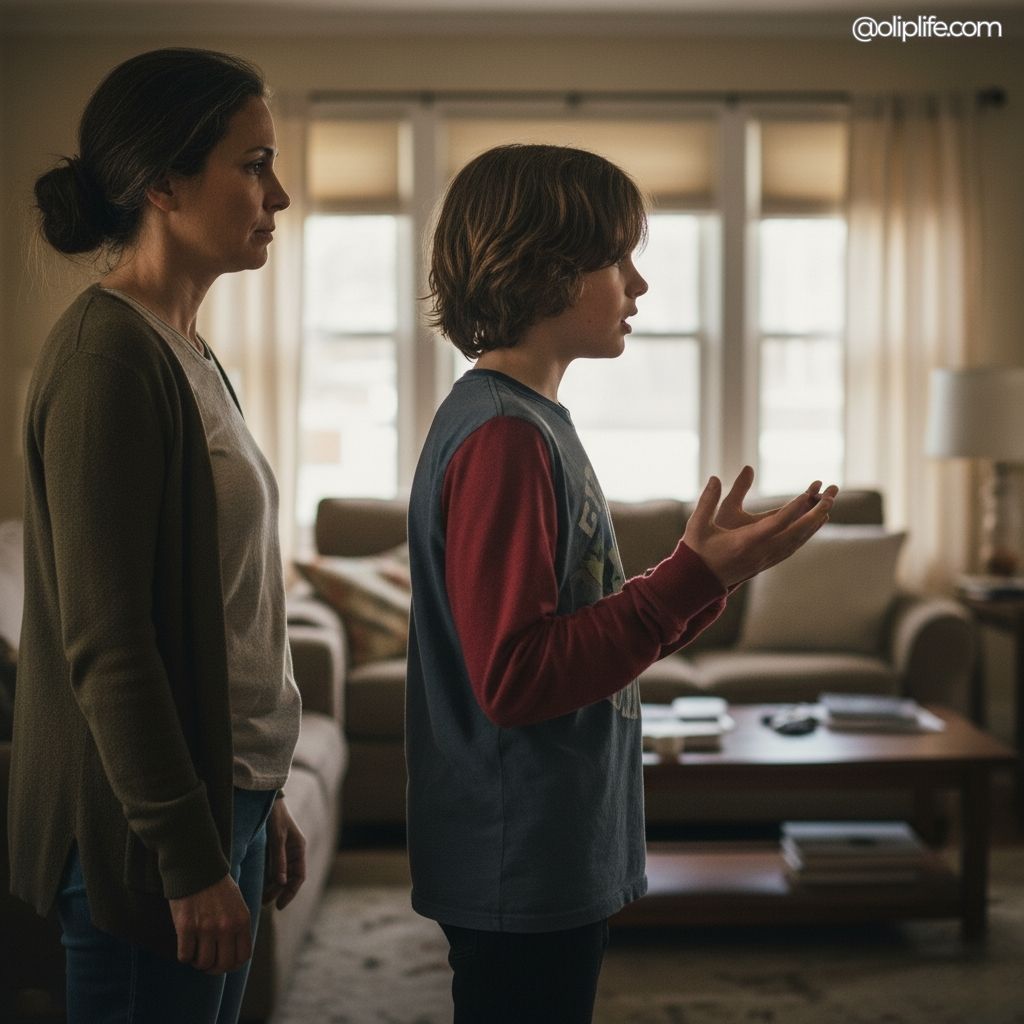
When something feels unfair or unclear, he speaks. Immediately. Verbally. Thoroughly. He wants to understand why something happened, what could have been done differently, and how to prevent it next time.
On that same evening, he challenged the delay.
He asked why dinner was late.
He pointed out that this didn’t happen yesterday.
He wanted an explanation that made sense.
His response wasn’t loud or disrespectful, but it was persistent. And persistence, when parents are tired, often reads as defiance.
Ben’s role became the challenger, the one who pushed back, the one who required energy to engage with. Over time, I noticed how quickly we braced ourselves when he began speaking, as if preparing for a debate rather than a conversation.
That reaction shaped him too.
He became more intense in his explanations.
More determined to be heard.
More sensitive to being dismissed.
The role fed itself.
Owen: The Emotional Barometer
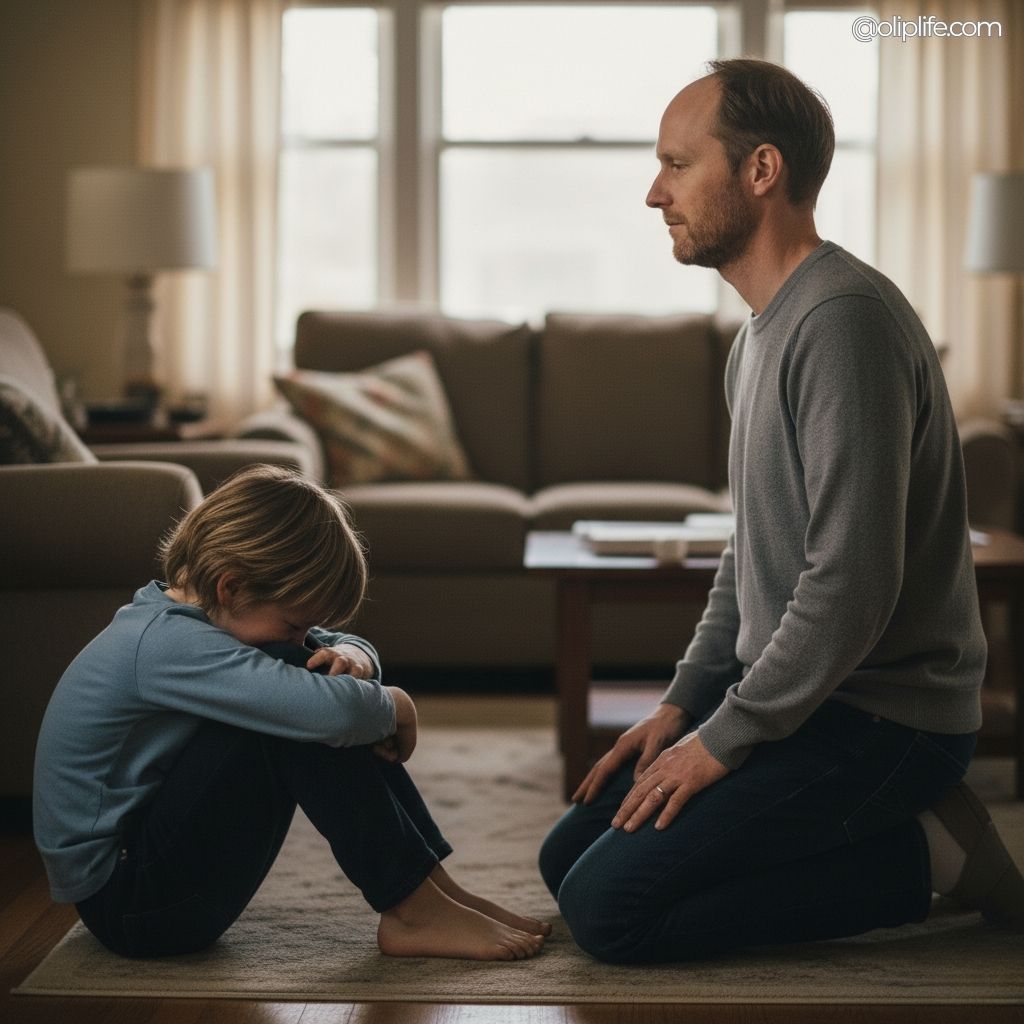
Owen, our youngest, experienced the same situation through his body.
He didn’t analyze it. He didn’t withdraw. He felt it fully and immediately.
Hunger plus unpredictability equaled overwhelm, and his system responded accordingly. Tears came fast. His body moved before his words could catch up. What looked like an outsized reaction was actually a nervous system doing exactly what it knew how to do.
Owen became our emotional barometer.
When things were off, he showed it first.
When stress rose, he mirrored it.
When tension lingered, his behavior amplified it.
Without meaning to, we began to rely on his reactions as signals. If Owen was calm, things were probably okay. If he wasn’t, something needed attention.
The danger in that role is subtle. It can make a child feel responsible for the emotional state of the room, even when they don’t have the words to articulate that pressure.
The Moment It Became Clear
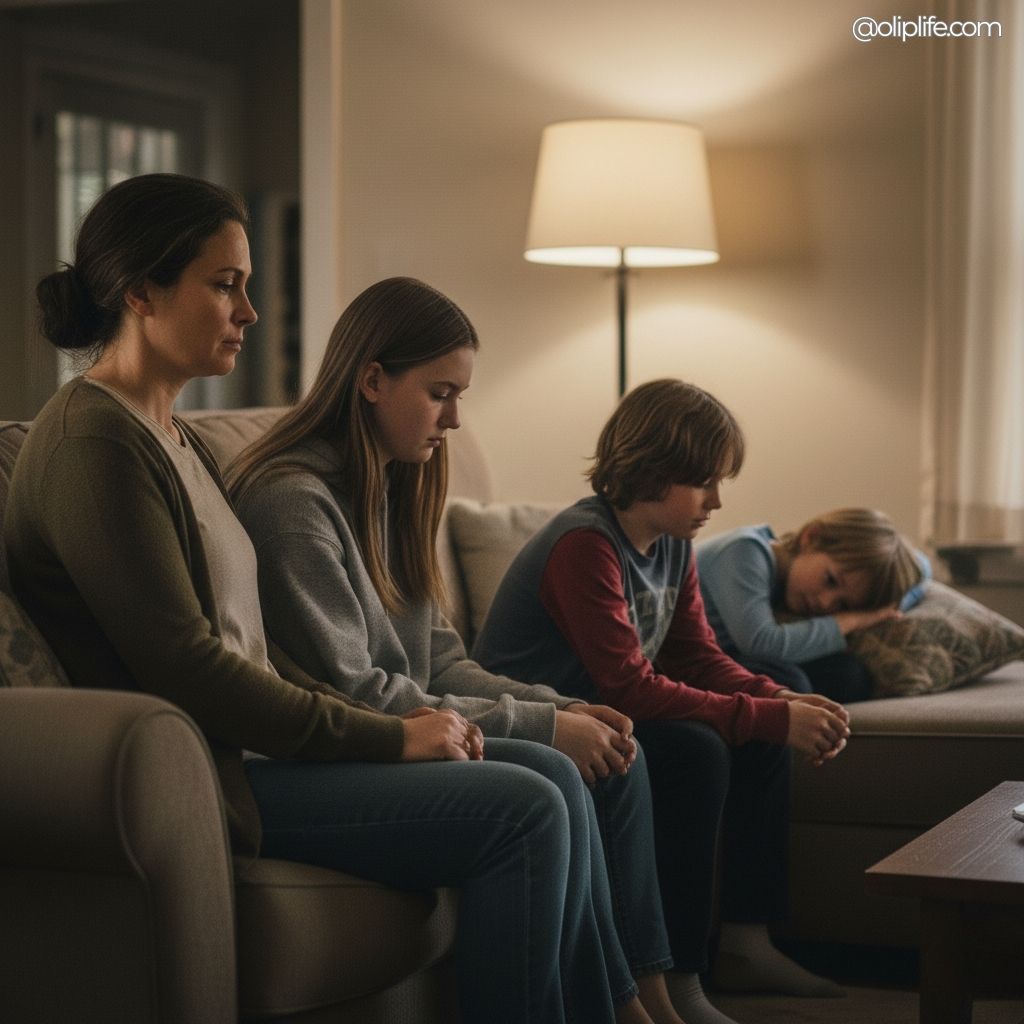
What finally brought all of this into focus wasn’t a meltdown or an argument. It was a comment Lucy made weeks later, almost offhand.
We were talking about a completely unrelated issue when she said, “I didn’t say anything because I didn’t want to make it worse.”
She wasn’t upset. She wasn’t seeking reassurance. She was stating a fact.
And I realized how often she made that calculation.
Ben, in contrast, had said earlier that same day, “If I don’t say something, nobody fixes it.”
Owen had simply said, “I didn’t like it.”
Three statements. Three roles. All logical. All learned.
How Parents Reinforce Roles Without Intending To
This is the part that’s uncomfortable to admit.
Roles don’t persist because children cling to them. They persist because they are reinforced.
We reward the child who adapts.
We correct the child who challenges.
We manage the child who reacts.
Not because we’re careless, but because we’re human, and we gravitate toward whatever reduces friction in the moment.
The child who needs less gets less attention.
The child who needs more gets managed.
The child who causes disruption gets addressed.
Over time, this creates a feedback loop where each child becomes better at their role because it’s what the system expects of them.
What Changed When I Started Naming Patterns
Nothing shifted until I stopped treating each reaction as an isolated incident.
Instead of asking, “What’s wrong right now?” I started asking, “What role is this child stepping into, and why does it make sense to them?”
That shift changed how I responded.
When Lucy withdrew, I checked in rather than assuming she was fine.
When Ben argued, I listened for the concern underneath the words.
When Owen melted down, I focused on regulation before correction.
Most importantly, I stopped praising behaviors that came at an emotional cost.
I no longer thanked Lucy for being easy without also making room for her feelings.
I stopped framing Ben’s persistence as a problem to solve rather than information to consider.
I stopped treating Owen’s reactions as disruptions instead of signals.
None of this happened perfectly. But the awareness alone softened the roles.
Why Roles Aren’t the Enemy
It’s important to say this clearly: roles are not inherently harmful.
They are survival strategies.
They are adaptations.
They are children doing their best within the environment they have.
The problem arises when roles become fixed, when children feel trapped inside them, when they believe this is the only way they belong.
Families need flexibility, not perfection.
When roles loosen, children gain room to experiment with different ways of being. The quiet child speaks up. The challenger rests. The emotional barometer finds steadiness.
What Helped Us Loosen the Roles Over Time
What helped most was not a single intervention, but a collection of small changes.
We rotated responsibility intentionally.
We invited different voices into decisions.
We acknowledged effort without attaching it to identity.
We checked in with the child who wasn’t asking.
We also talked openly, at age-appropriate levels, about how families can fall into patterns without meaning to. Naming the dynamic removed some of its power.
The Ongoing Work
These roles didn’t disappear. They softened.
Lucy still notices first.
Ben still questions.
Owen still feels deeply.
But none of them are confined to those roles anymore.
Lucy speaks sooner.
Ben pauses more.
Owen recovers faster.
Not because we fixed them, but because we adjusted the environment around them.
Final Thoughts
The unspoken roles in our family didn’t form because we failed as parents. They formed because we were navigating real life with real children under real pressure.
What matters is not whether roles exist, but whether we’re willing to notice them, question them, and make room for something more flexible.
When parents slow down enough to see the patterns beneath behavior, children gain permission to grow beyond the roles that once kept the family running smoothly.
And that, I’ve learned, is where real emotional development begins.