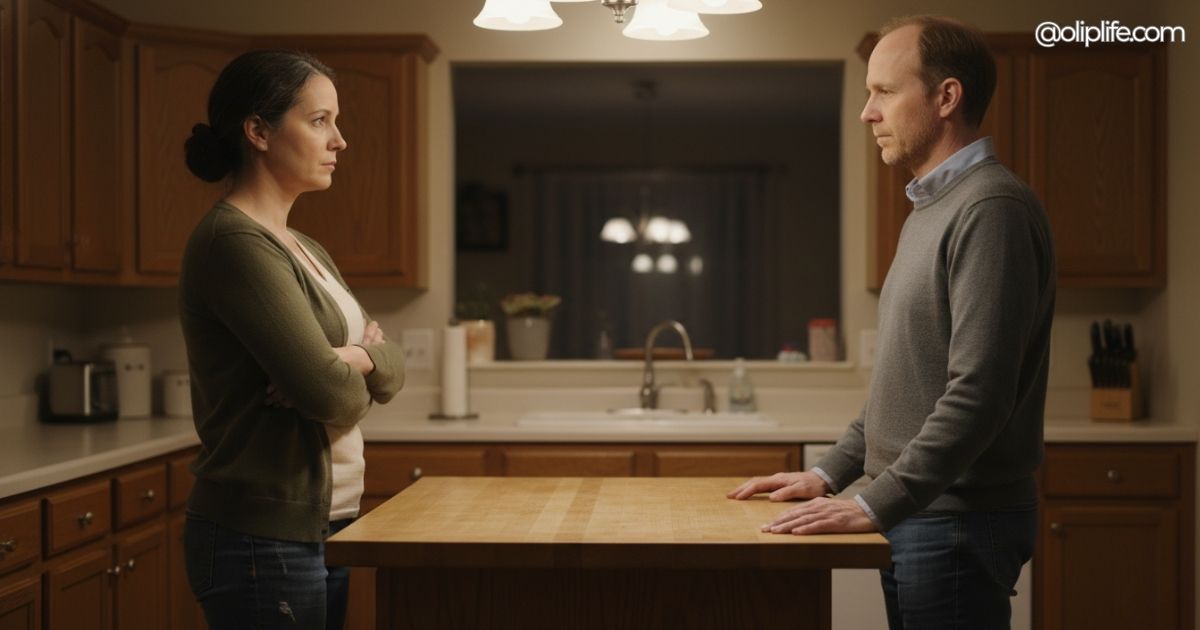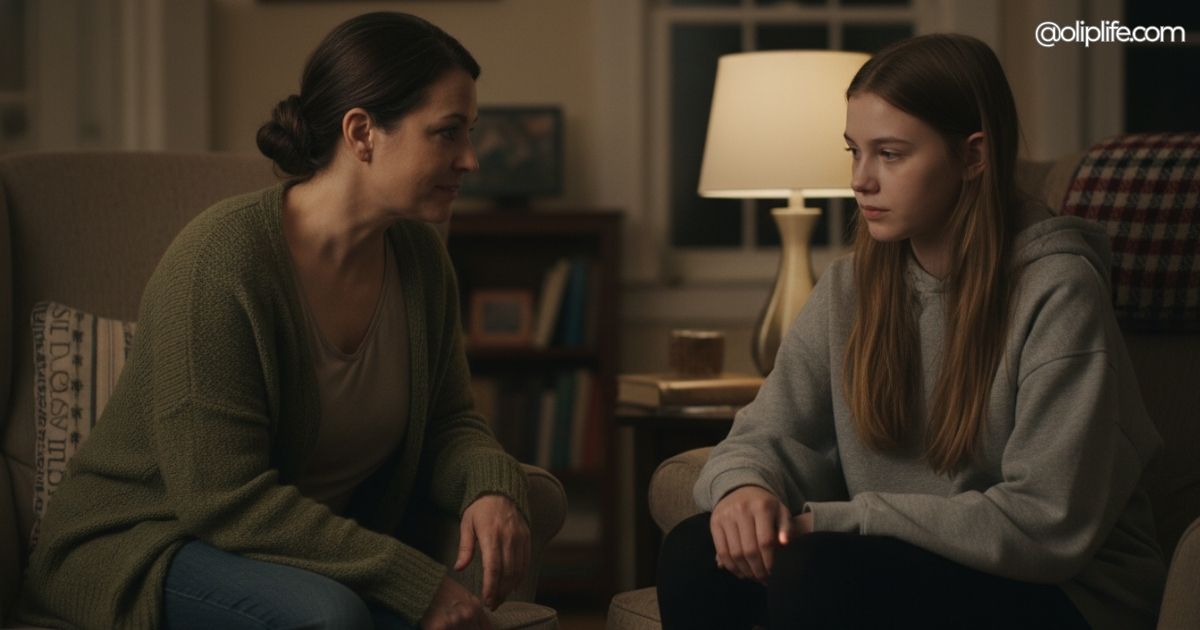
For a long time, I believed that repeated conflict meant someone wasn’t learning the lesson.
If the same issue kept coming up in our house, I assumed we hadn’t been clear enough, consistent enough, or firm enough the last time. Somewhere along the way, I absorbed the idea that good parenting should make problems disappear, or at least shrink them into something manageable after a few tries.
What I didn’t understand then was that repetition isn’t always resistance.
Sometimes it’s a signal that the response, not the behavior, is what needs to change.
The Argument That Wouldn’t Retire
The conflict itself was small enough to feel embarrassing once I noticed how often it happened.
It usually started in the late afternoon, that stretch of the day where everyone is tired but still expected to function. Homework would be half done. Someone would be hungry. Someone else would be bored. Noise would bounce off the walls, and patience would thin in a way that felt predictable and inevitable.
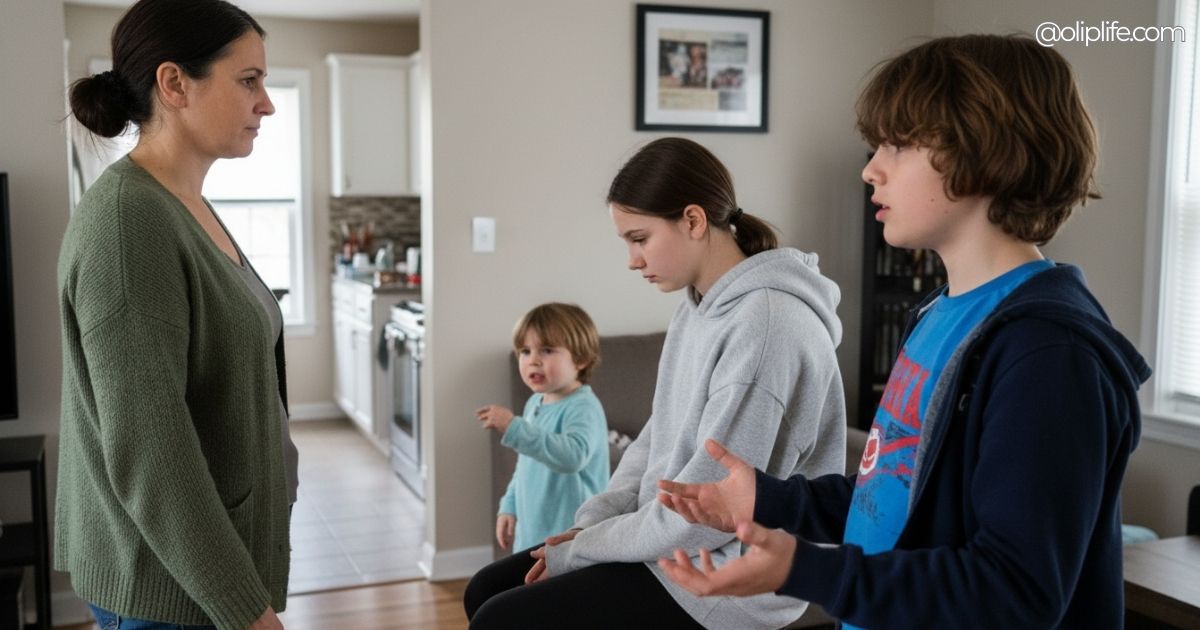
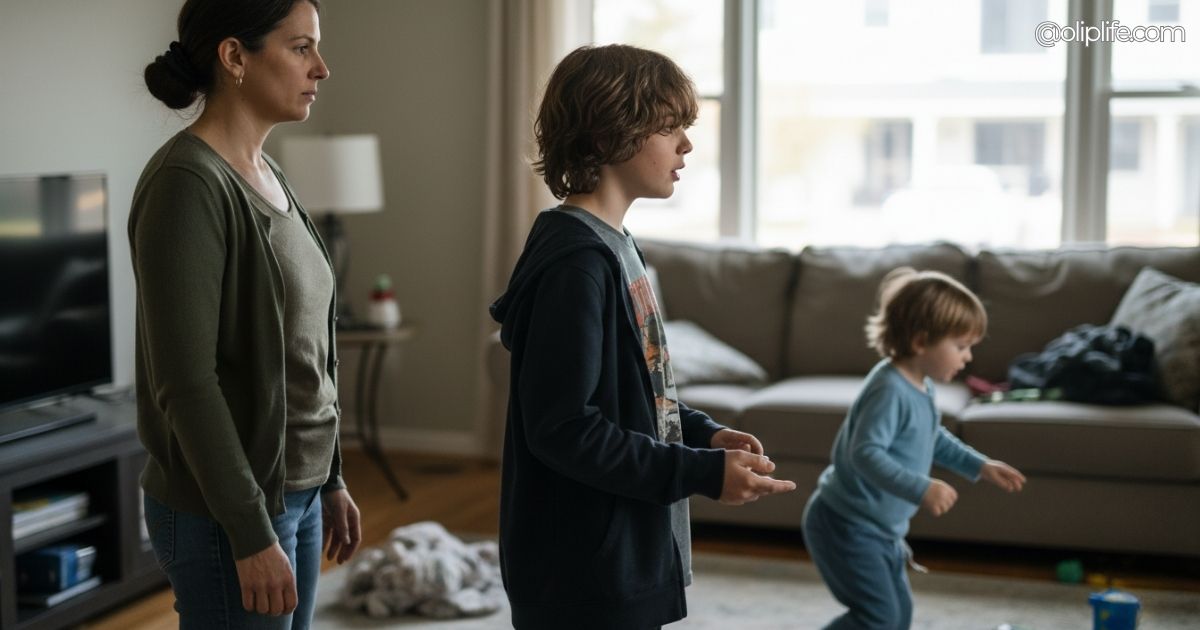
Owen would be moving too much.
Ben would tell him to stop.
Owen wouldn’t.
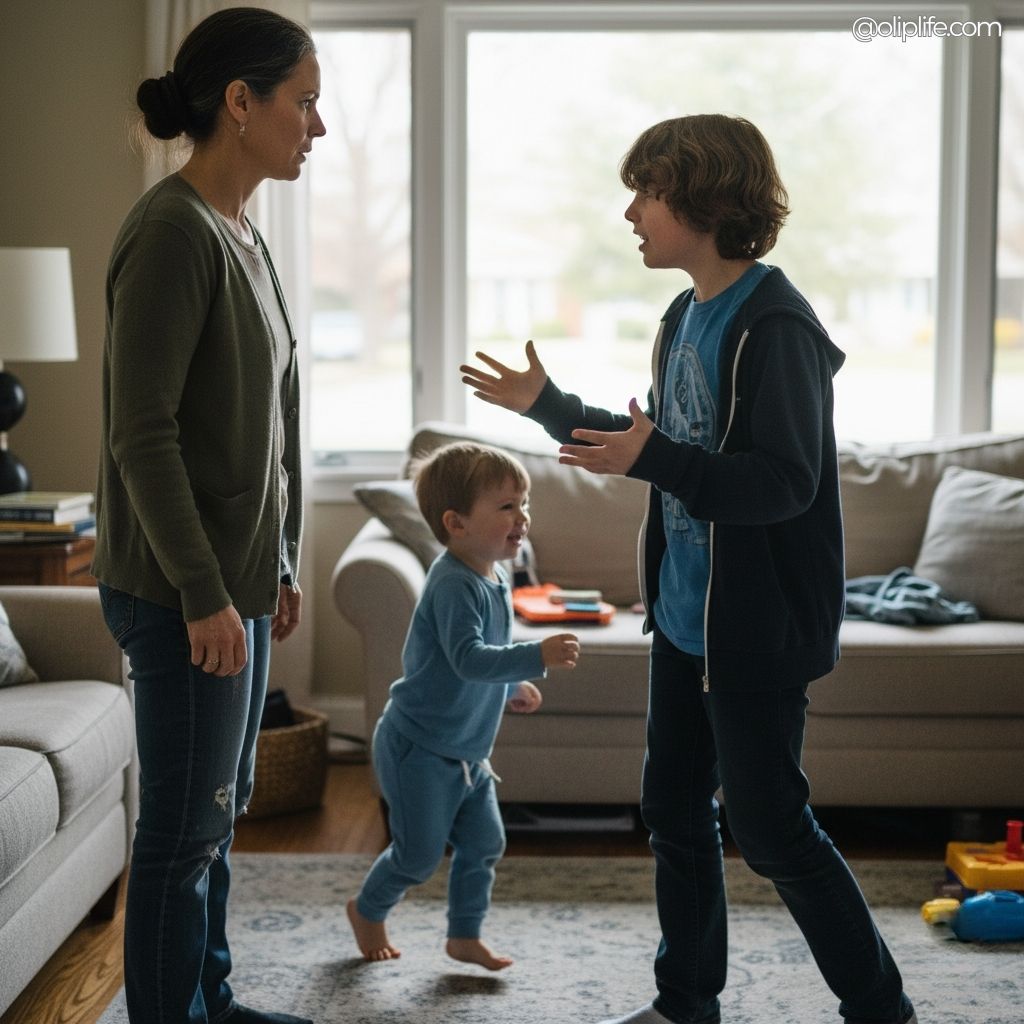
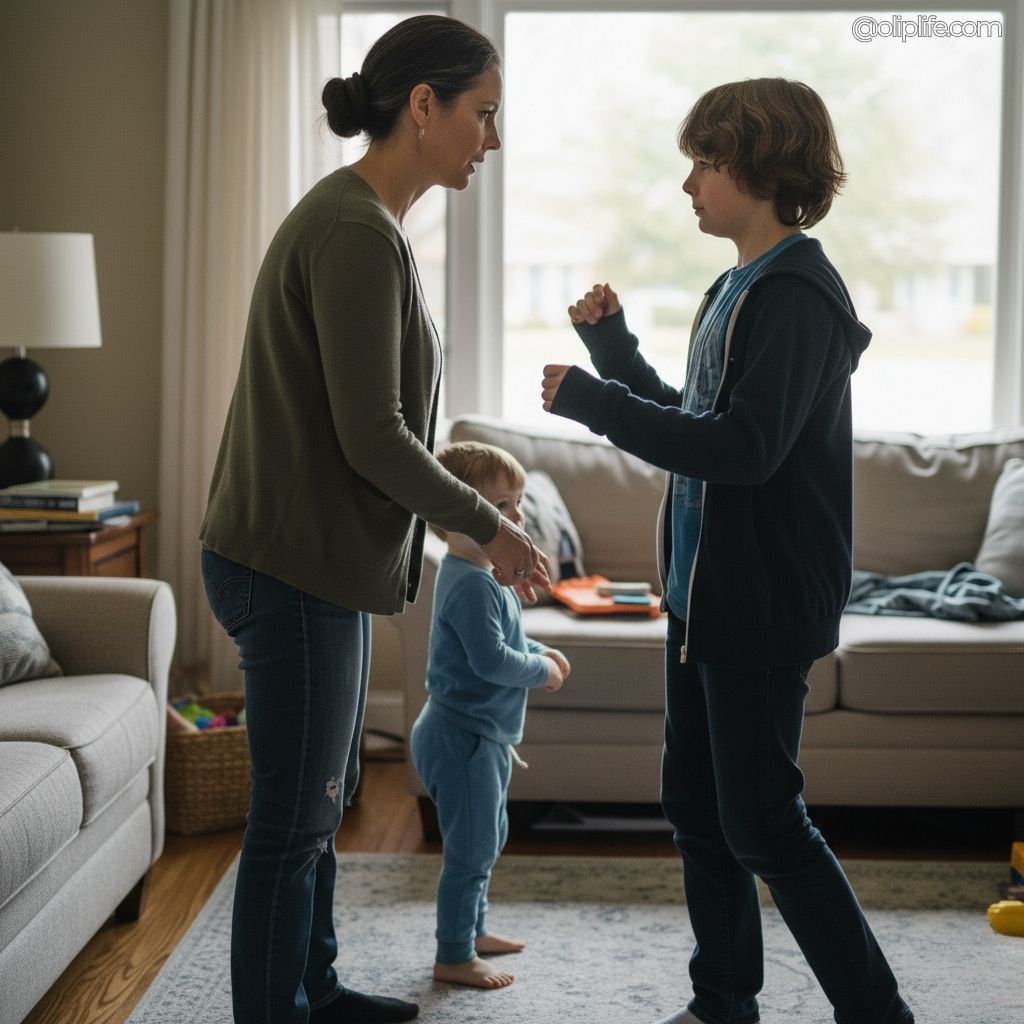
Ben would escalate verbally.
Owen would escalate physically.
I would step in, already tense, already irritated that we were here again.
My response followed a familiar script. I separated them. I corrected the behavior. I reminded them of the rules. Sometimes there were consequences. Sometimes there were warnings delivered in a tone that suggested we were rapidly approaching consequences.
The conflict would end.
And then it would return.
Not the next day. Sometimes not even the same week. But always eventually, in the same shape, with the same emotional trajectory.
At first, I chalked this up to age differences and personality clashes. One child verbal, one child physical. One child needing order, one child craving movement. It all made sense on paper.
What didn’t make sense was why nothing shifted, even as they grew older and more capable.
When Familiarity Turns Into Frustration
The most exhausting part of repeated conflict is not the conflict itself.
It’s the familiarity.
There’s a particular kind of parental fatigue that sets in when you recognize the pattern before it fully forms. You can predict the words that will be said, the reactions that will follow, the emotional cleanup that will be required afterward. You feel the irritation rise not because the situation is severe, but because it’s been here before, and you’re tired of hosting it.
That familiarity made me less curious.
Instead of asking what was happening underneath, I focused on ending the cycle as efficiently as possible. My goal became resolution, not understanding.
That shift mattered more than I realized.
The Moment I Noticed My Own Pattern
The turning point came on an evening when the conflict unfolded exactly as expected, except this time I caught myself responding before anyone had actually crossed a line.
I interrupted Ben mid-sentence.
I corrected Owen before his body fully reacted.
I raised my voice before anyone else did.
And in doing so, I accelerated the very escalation I was trying to prevent.
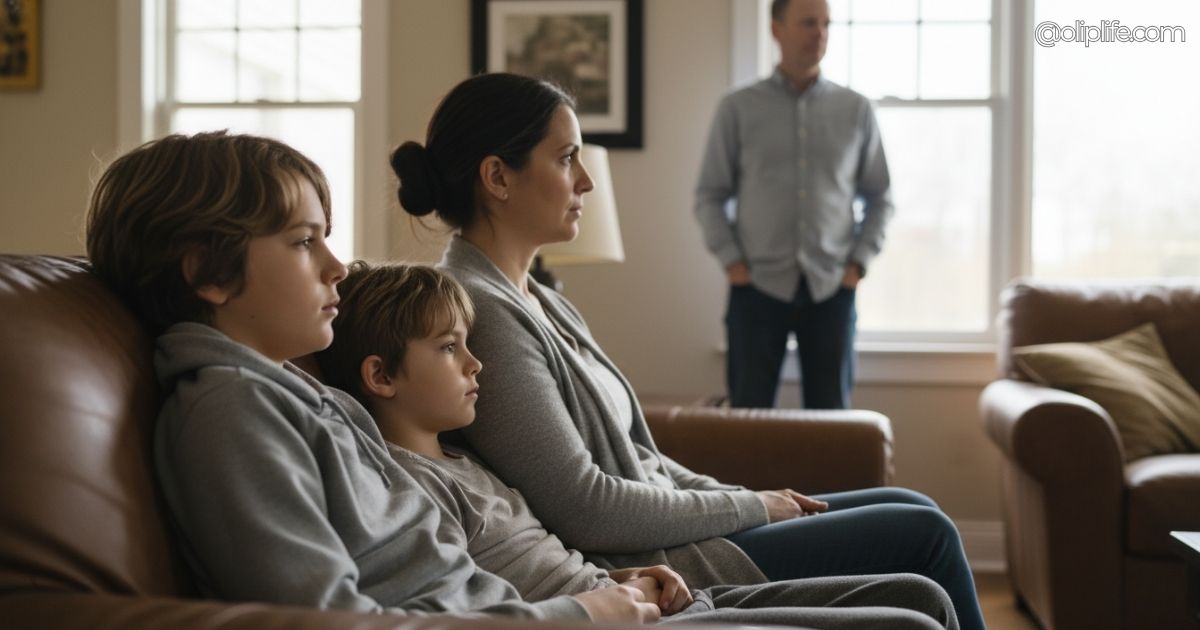
Ben shut down, his shoulders tightening in a way I recognized immediately. Owen dissolved into tears, overwhelmed not just by the interaction but by the intensity of my response. The room felt charged in a way that lingered long after everyone had separated.
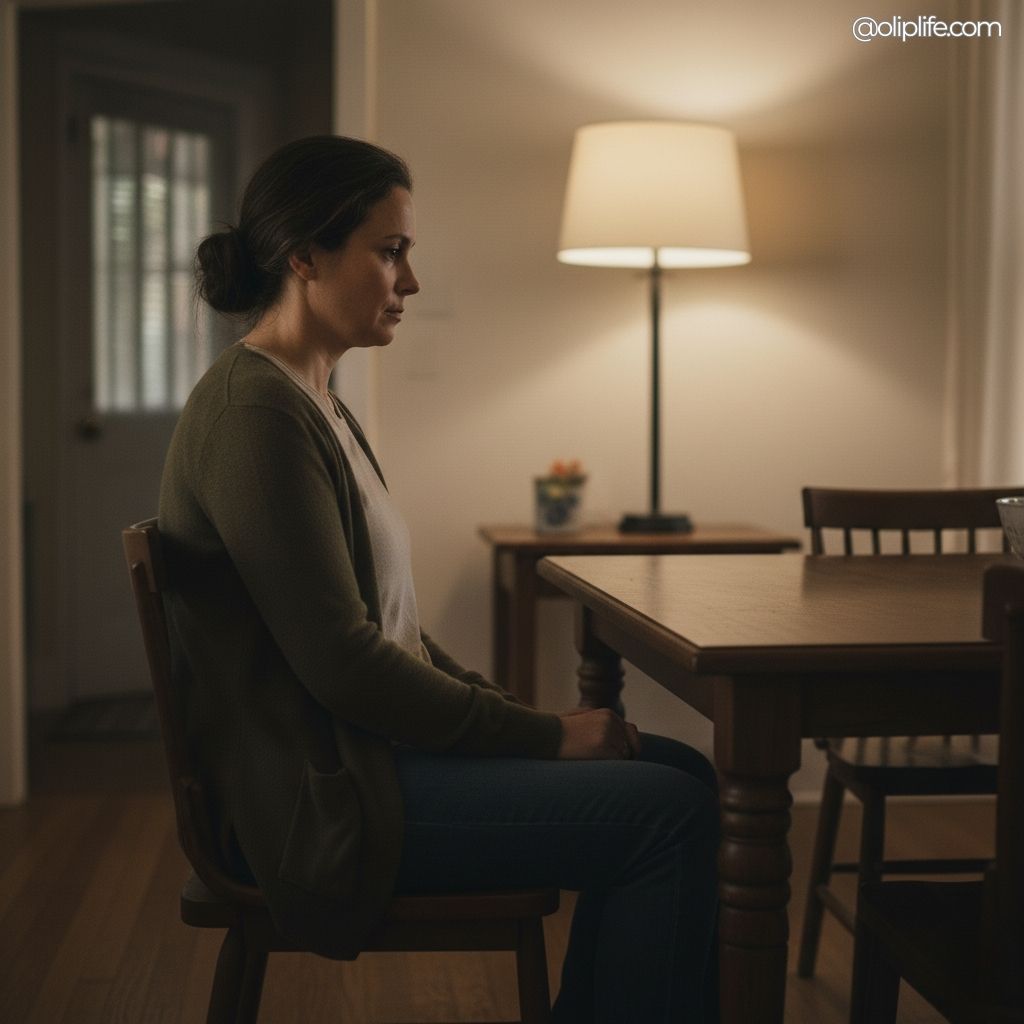
Later that night, when the house was quiet, I replayed the interaction in my head.
Not their behavior. Mine.
I realized that my response had become just as predictable as the conflict itself. I was reacting to the pattern rather than the moment, which meant neither child felt truly seen in what they were experiencing.
That realization was uncomfortable, because it shifted responsibility back onto me.
What Repetition Was Actually Pointing To
Once I stopped treating the repeated conflict as a failure to comply, I could see it differently.
Ben wasn’t trying to control Owen. He was trying to create predictability in a space that felt chaotic to him.
Owen wasn’t trying to provoke Ben. He was trying to regulate his body in an environment that required more stillness than he could manage late in the day.
Their behaviors weren’t identical, but their needs were colliding.
My response, however, treated the situation as a behavioral problem rather than a systems problem. I was addressing surface actions without adjusting the conditions that made those actions likely.
No amount of correction could solve that.
The Subtle Shift We Tried Instead
We didn’t sit down and announce a new approach. There was no family meeting or carefully explained plan.
We made one small change.
Instead of intervening at the point of explosion, we started intervening at the point of predictability.
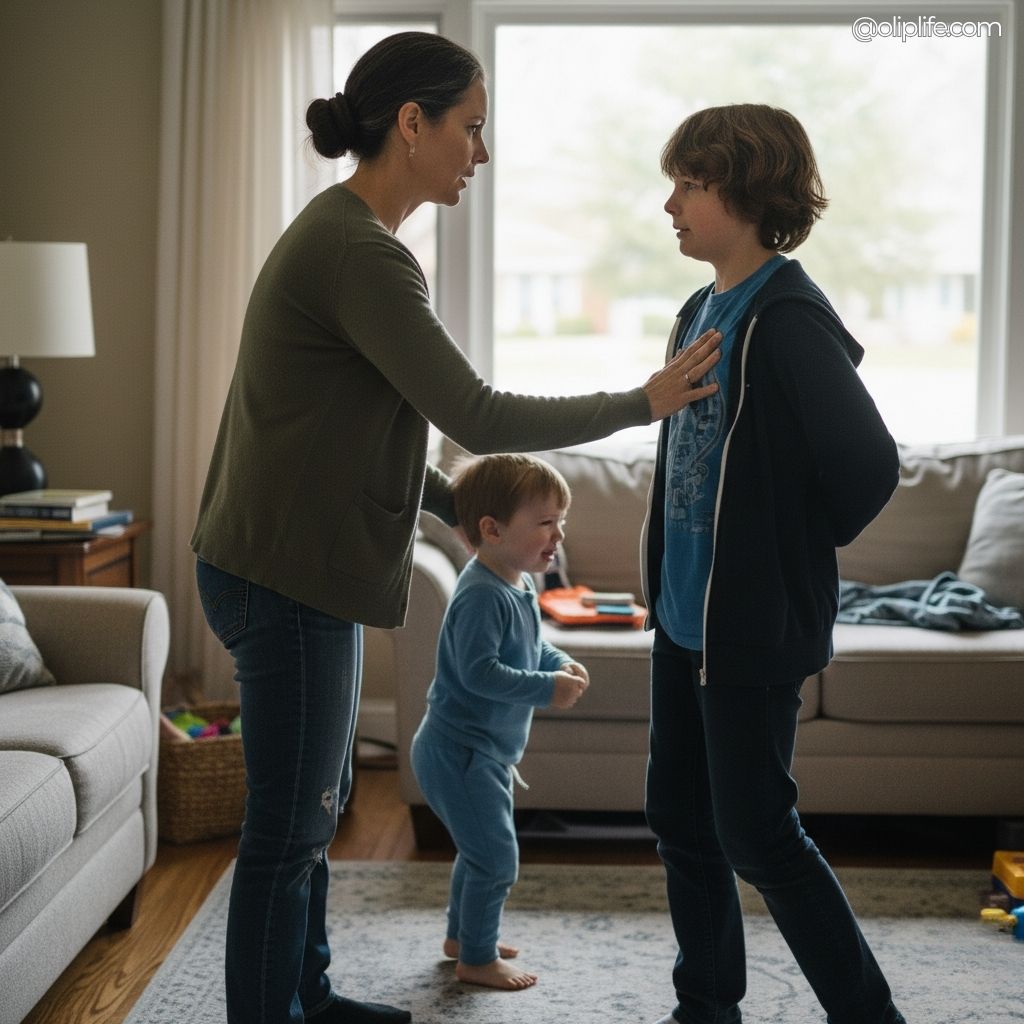
When I noticed the familiar signs appearing, I paused the interaction before it escalated and named what I was seeing, not what I wanted stopped.
“I’m noticing your bodies are getting restless.”
“I can hear how frustrated this feels.”
“This seems like one of those moments where things usually go sideways.”
At first, this felt awkward and overly deliberate. I worried it sounded scripted or unnatural.
But something interesting happened.
By naming the pattern instead of reacting to it, I disrupted it.
Ben didn’t feel accused.
Owen didn’t feel controlled.
Both of them felt noticed.
That shift alone lowered the intensity enough for a different response to become possible.
What Changed When We Adjusted the Environment
We also started adjusting the environment around that time of day, not in a dramatic way, but with intention.
We shortened homework expectations when possible.
We built in movement before stillness.
We lowered our standards for quiet.
Most importantly, we stopped expecting both children to respond the same way to the same conditions.
That sounds obvious when written out. It was not obvious in practice.
I had been operating under the assumption that fairness meant sameness. In reality, fairness meant acknowledging different thresholds and different needs.
Once the environment changed, the conflict lost some of its fuel.
Not all of it. But enough.
The Conflict Didn’t Disappear, It Transformed
This is the part I think many parenting conversations skip.
The conflict didn’t vanish.
What changed was its shape.
The arguments became shorter.
The recovery became faster.
The emotional residue became lighter.
Most importantly, the children began to trust that the situation would be handled differently. They didn’t brace themselves as quickly. They didn’t escalate as defensively.
And I didn’t walk into those moments already irritated by the memory of the last ten times it happened.
What I Learned About My Own Role
The hardest lesson in all of this was realizing how much my predictability contributed to the cycle.
When parents repeat the same response, even a reasonable one, children adapt to it. They anticipate it. They defend against it. Over time, the response loses effectiveness not because it’s wrong, but because it’s expected.
Changing my response didn’t mean being permissive or passive. It meant being intentional instead of automatic.
That distinction changed everything.
Why Repeated Conflict Is Information, Not Failure
Looking back, I’m grateful the conflict repeated.
It forced me to look deeper.
It exposed assumptions I didn’t know I was making.
It revealed how much power adults have to shape family dynamics without realizing it.
Repeated conflict is rarely a sign that children aren’t learning.
More often, it’s a sign that something in the system needs adjusting.
The Long-Term Impact
Months later, I noticed something subtle.
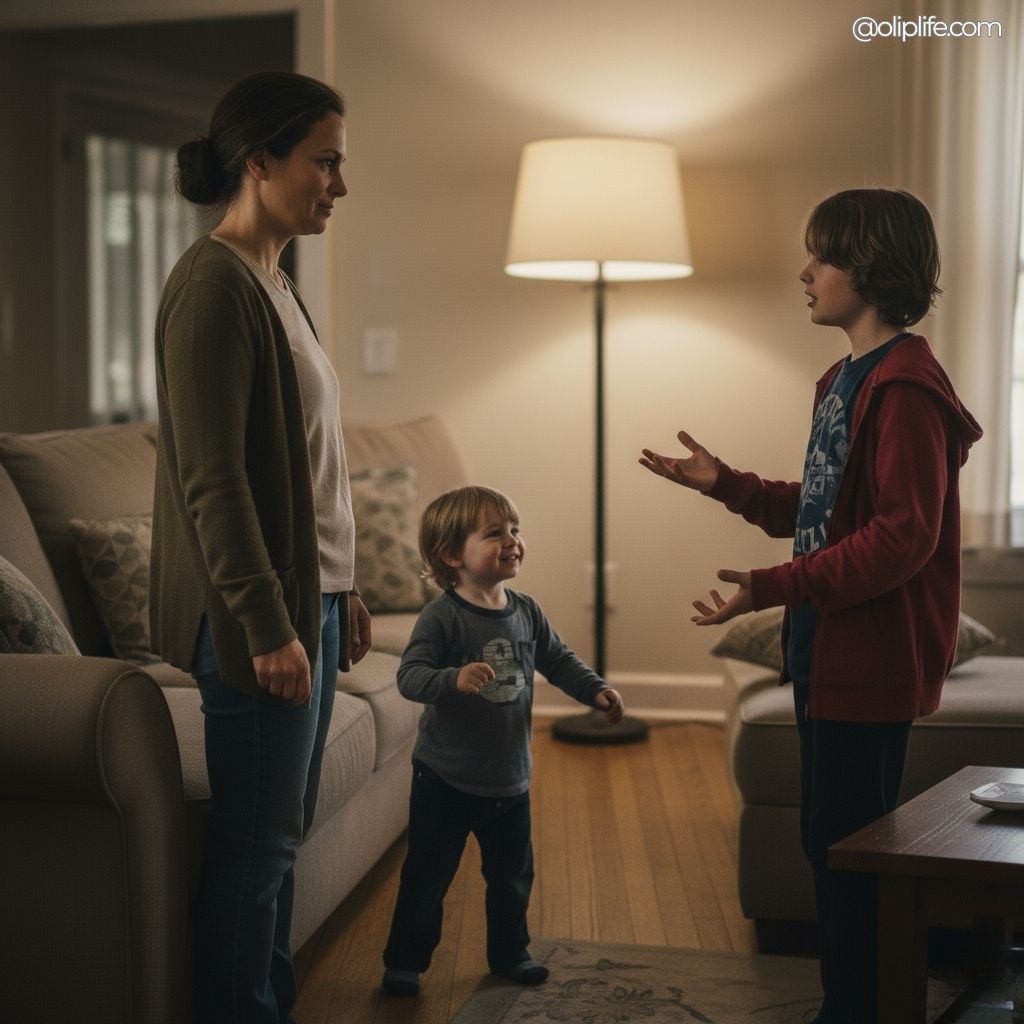
When tension started to rise, Ben began naming his frustration earlier, before it turned sharp. Owen started seeking movement proactively instead of reacting explosively. And I found myself stepping in with curiosity instead of correction.
The conflict still exists. But it no longer owns the space the way it once did.
Final Thoughts
The conflict that repeated in our home didn’t end because someone finally got the message.
It ended because we changed how we listened, how we intervened, and how we interpreted what was happening.
When parents stop asking, “Why is this happening again?” and start asking, “What is this trying to tell us?” repetition becomes less frustrating and more instructive.
Sometimes the lesson isn’t meant for the child alone.
Sometimes it’s meant for the whole system.
And when the system shifts, even slightly, the conflict finally has room to evolve into something else.