For a long time, I thought I understood escalation.
In my mind, escalation was obvious. It was raised voices, slammed doors, sharp words that couldn’t be taken back. It was the kind of conflict that announced itself loudly enough that intervention felt urgent and necessary. As long as things stayed relatively quiet, as long as no one crossed into what I considered “too far,” I assumed we were managing things reasonably well.
That belief lasted until an argument unfolded in our home that never got loud, never crossed a clear line, and yet left everyone involved more dysregulated than some of our biggest blowups ever had.
That was the argument that finally showed me what escalation really looks like.

The Conflict That Didn’t Look Dangerous
It started with something small, which is usually how these things begin.
A misunderstanding between siblings about a shared responsibility, one of those moments where expectations weren’t aligned and everyone felt slightly wronged. Nothing unusual. No immediate red flags. I was nearby, half-listening, already planning how I might step in if needed.
At first, the exchange sounded almost reasonable.
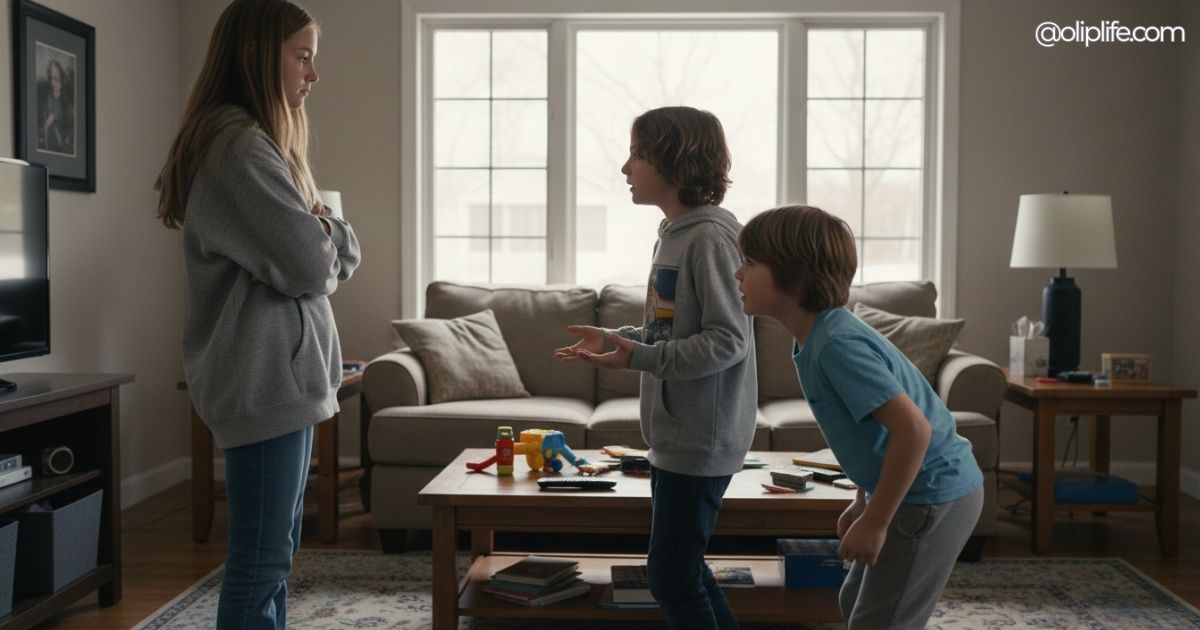
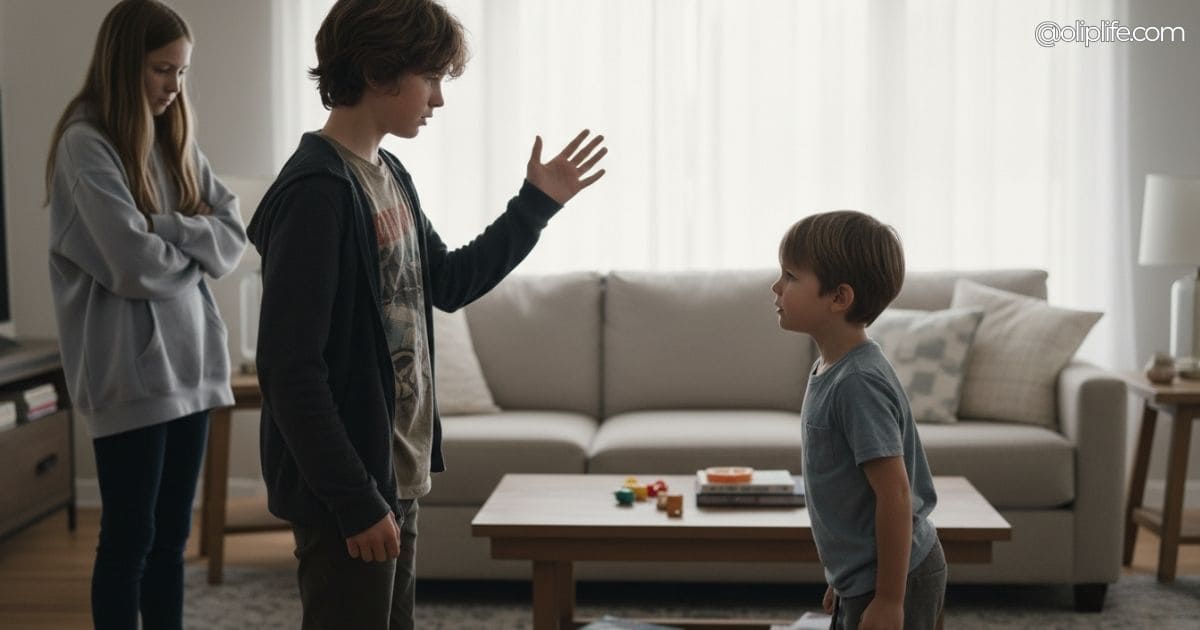
Ben explained his perspective clearly, pointing out what he believed had been agreed upon. Owen pushed back, not with logic, but with insistence, repeating his version of events with growing urgency. Lucy hovered at the edges, trying to mediate without taking sides, offering solutions no one asked for.
If I had walked into the room at that moment without context, I might have thought they were handling it well.
No yelling.
No insults.
No physical aggression.
And yet, something in my body was tightening.
The Escalation I Didn’t Recognize Yet
What I missed initially was that escalation doesn’t always raise volume. Sometimes it narrows perspective.
Each child became more focused on being right than on being understood. Their words stayed controlled, but their flexibility disappeared. The conversation stopped evolving. It began looping.
Ben repeated his reasoning, refining it as if clarity alone would resolve the disagreement. Owen repeated his position with increasing intensity, his body edging closer, his tone sharpening even if his volume didn’t. Lucy grew quieter, sensing that her attempts to help were only adding to the noise.
No one was listening anymore.
They were waiting.
Waiting for someone else to concede.
That was escalation.

How I Accidentally Added Fuel
Believing I was helping, I stepped in.
I asked questions. I clarified facts. I tried to mediate fairly, assuming that if everyone just understood each other better, the conflict would resolve.
Instead, it intensified.
Each child began directing their arguments toward me, pulling me into the role of judge. The focus shifted from resolving the issue to winning validation. I watched their bodies tense further, their voices sharpen subtly, their urgency increase.
Still no yelling.
Still no obvious “problem behavior.”
But the emotional temperature was rising steadily.
That was when I realized escalation isn’t about how loud things get. It’s about how trapped everyone starts to feel.
The Moment It Clicked
The turning point came when Lucy said, very quietly, “This isn’t going anywhere.”
She wasn’t frustrated. She wasn’t dramatic. She was resigned.
That resignation hit me harder than shouting ever could have.
Because it revealed something essential: escalation had already happened. It had just happened internally.
The kids weren’t escalating toward chaos. They were escalating toward shutdown.

What Escalation Actually Is
Escalation is not a single behavior. It’s a process.
It’s the moment when curiosity disappears and certainty takes over. It’s when nervous systems shift into protection mode and flexibility becomes impossible. It’s when the goal quietly changes from resolution to self-defense.
Escalation looks like:
Repeating the same point louder or faster.
Seeking an authority figure to prove you right.
Reducing the other person to an obstacle instead of a partner.
It can be loud.
It can also be eerily calm.
Why I Had Been Missing It
I realized I had been trained, culturally and personally, to look for escalation only in its most visible forms.
I was watching for noise, not rigidity.
For aggression, not narrowing.
For chaos, not stagnation.
As long as voices stayed controlled, I assumed regulation was intact. In reality, regulation had been slipping quietly out of reach long before anyone raised their voice.
That misunderstanding shaped how I intervened, often too late and in ways that made things worse.

What Stopping Escalation Actually Required
Instead of trying to fix the argument, I stopped it.
Not abruptly. Not punitively. I named what I was seeing.
“This isn’t about the original issue anymore,” I said. “Everyone’s getting stuck.”
That sentence changed the energy immediately.
Not because it solved the problem, but because it shifted attention from content to process.
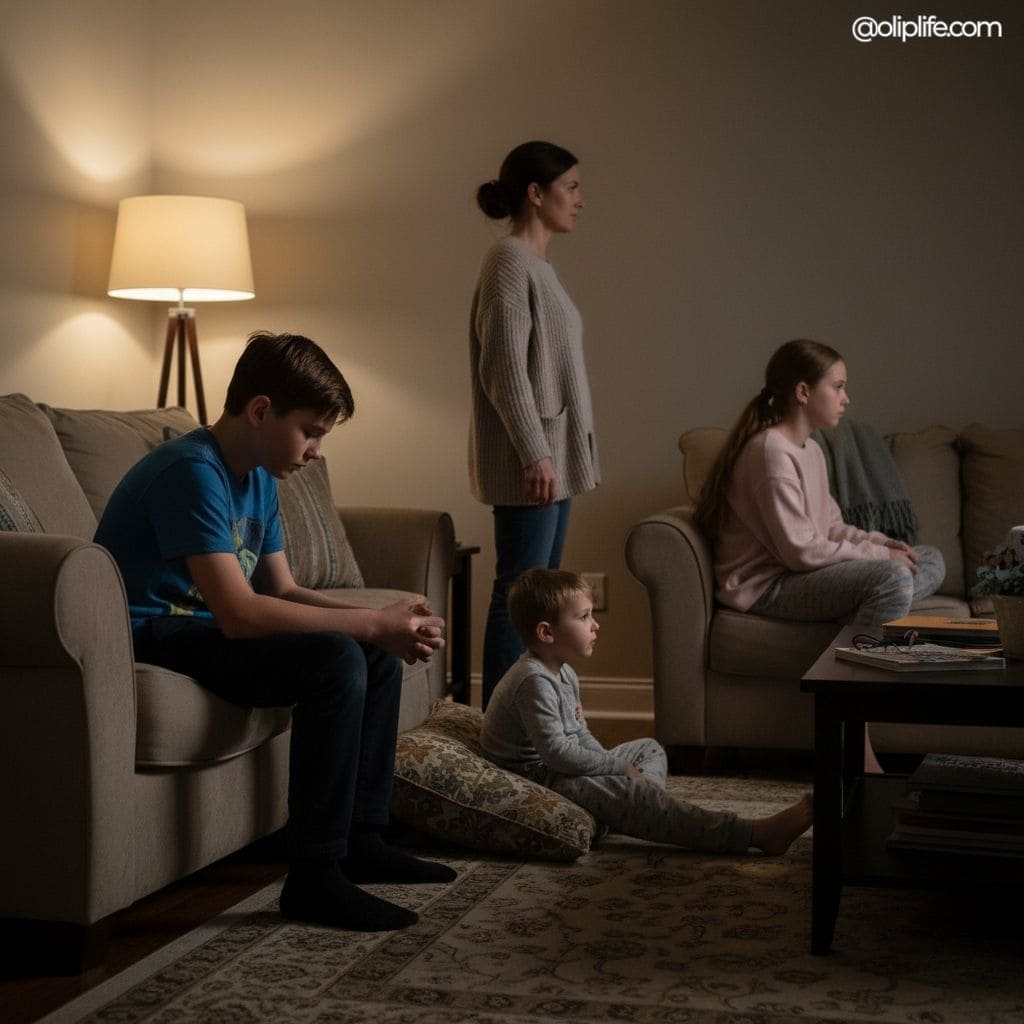
I separated them gently, not as a consequence, but as a reset. I didn’t demand apologies or resolution. I didn’t ask for calm. I asked for space.
And then I waited.
The Power of Pausing Before Things Explode
What happened next was instructive.
Ben needed time to decompress his thoughts, to let go of the need to be right. Owen needed help regulating his body, not more explanation. Lucy needed reassurance that stepping back didn’t mean abandonment.
None of those needs would have been met if I had pushed for immediate resolution.
Escalation ended not when the argument stopped, but when nervous systems began to settle.
What I Saw Differently Afterward
In the days that followed, I kept thinking about how close I had come to mislabeling that argument as “handled well.”
If I had focused only on behavior, I might have praised them for staying calm while missing how overwhelmed they actually were. I might have pushed them to resolve something they no longer had the capacity to resolve in that moment.
That realization reshaped how I watch conflict now.
I pay less attention to volume and more to repetition.
Less to words and more to posture and pacing.
Less to compliance and more to flexibility.
Escalation, I learned, announces itself through rigidity long before it shows up through noise.
How This Changed My Parenting
Once I understood escalation differently, my interventions changed.
I began stepping in earlier, not to control behavior, but to preserve regulation. I started naming when conversations were getting stuck instead of waiting for them to blow up. I stopped expecting resolution in moments when everyone was already emotionally cornered.
Most importantly, I stopped equating calm voices with calm bodies.
That distinction matters more than I ever realized.
What the Kids Learned Too
The kids began recognizing escalation in themselves.
Ben learned to notice when his need to explain was tipping into inflexibility. Owen started identifying when his body was leading the conversation instead of his words. Lucy began trusting that stepping away was a valid choice, not avoidance.
They didn’t learn this because I lectured them.
They learned it because I stopped rewarding surface-level calm and started supporting genuine regulation.
Why This Matters Beyond One Argument
Escalation isn’t unique to childhood conflict.
It shows up in adult relationships, workplaces, friendships, and partnerships. Many of us learned early that as long as we stayed quiet or polite, we were handling conflict well, even if our internal state told a different story.
That lesson follows us.
Teaching children to recognize escalation early, before voices rise and damage occurs, gives them a skill far more valuable than simply “staying calm.”
It teaches them how to pause before they lose flexibility.
Final Thoughts
The argument that finally showed me what escalation really looks like didn’t end in tears or shouting.
It ended in awareness.
It taught me that escalation is less about intensity and more about narrowing, less about noise and more about loss of options. It reminded me that the goal of intervention isn’t to restore order, but to restore capacity.
When parents learn to recognize escalation in its quieter forms, they can intervene with intention rather than urgency, guiding children back toward regulation before conflict hardens into something more difficult to repair.
That shift doesn’t eliminate arguments.
It makes them safer.
And sometimes, safety is the most important resolution of all.