Stress didn’t arrive in our family all at once.
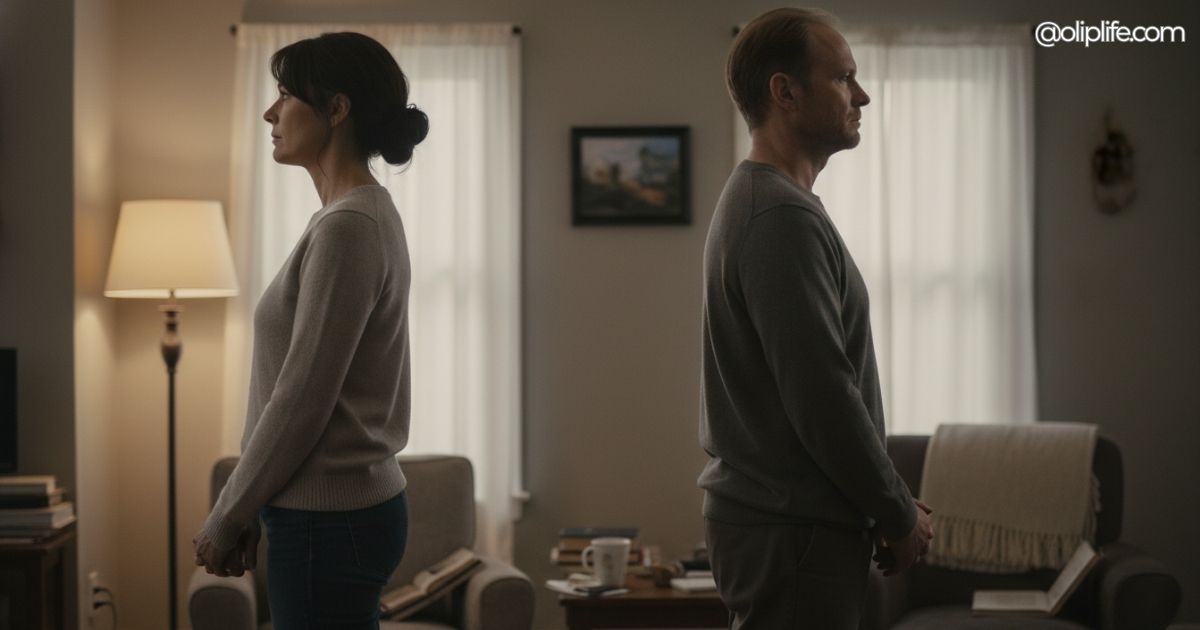
It seeped in gradually, the way water does through a foundation crack you don’t notice until the floor starts to warp. At first, it looked like fatigue. Then impatience. Then a subtle tightening in conversations that used to feel easy. We were still doing the same things on the surface, making meals, managing schedules, solving problems, but the tone underneath it all had shifted. Parenting together began to feel less like collaboration and more like parallel survival.
What surprised me most was not that stress changed us individually, but how quietly it altered the way we parented together.

When Teamwork Turns Into Task Division
Before stress took up residence in our home, parenting felt shared in an organic way. Decisions were talked through. Disagreements unfolded slowly, often softened by humor or curiosity. We trusted each other’s instincts without needing constant explanation.
As stress increased, something subtle happened. We stopped thinking together and started dividing responsibilities instead.
You handle mornings.
I’ll deal with homework.
You take this child.
I’ll manage the other.
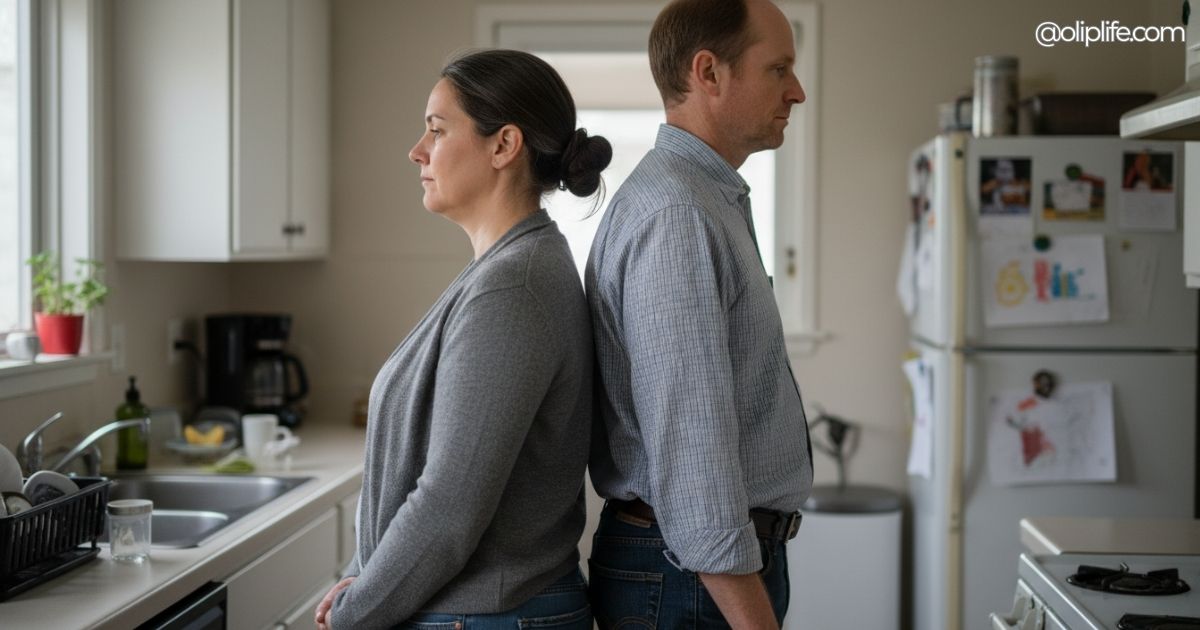
On paper, it looked efficient. In practice, it created emotional silos. We were solving problems quickly, but no longer processing them collectively. Parenting became a series of handoffs instead of a shared experience.
Stress didn’t make us worse parents.
It made us narrower ones.
The Shift From Reflection to Reaction
One of the first casualties of stress was reflection.
We used to pause. We used to ask questions before acting. We used to wonder aloud whether a behavior meant one thing or another, allowing space for uncertainty. Under stress, that space collapsed.
Decisions became faster and more rigid. Reactions replaced curiosity. The question changed from What does this child need right now? to How do we get through this without everything falling apart?
Neither of us set out to parent reactively. It happened because stress reduces tolerance, not intention. When resources feel scarce, emotional generosity becomes harder to access, even with the people you love most.
How Stress Exposed Our Differences
Stress has a way of turning volume up on differences that once felt manageable.
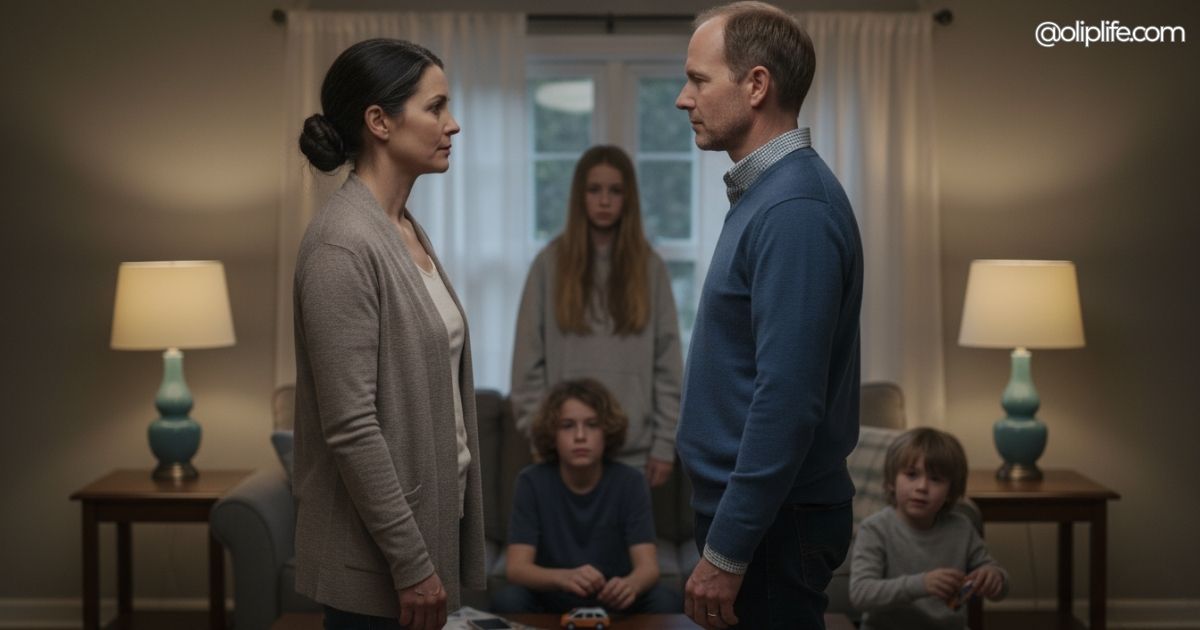
Under pressure, our parenting philosophies didn’t just diverge, they collided. One of us leaned toward structure and containment, tightening boundaries to regain control. The other leaned toward flexibility and connection, trying to preserve emotional safety as things felt increasingly brittle.
In calmer seasons, those differences complemented each other.
In stressful ones, they felt like opposition.
We weren’t just disagreeing about tactics. We were responding to stress in fundamentally different ways, each convinced that our approach was the one keeping the family afloat.
When Stress Changes What Feels Important
One of the hardest parts to admit was how stress reshaped our priorities without our consent.
Things we once cared deeply about, like collaborative problem-solving or modeling emotional repair, began to feel secondary to keeping things moving. Calm became more valuable than understanding. Compliance felt more urgent than connection.
Not because we stopped believing in those values, but because stress made them feel expensive.
Connection takes time. Repair takes energy. Reflection requires emotional bandwidth. When stress drains those resources, even deeply held values can slip into the background.
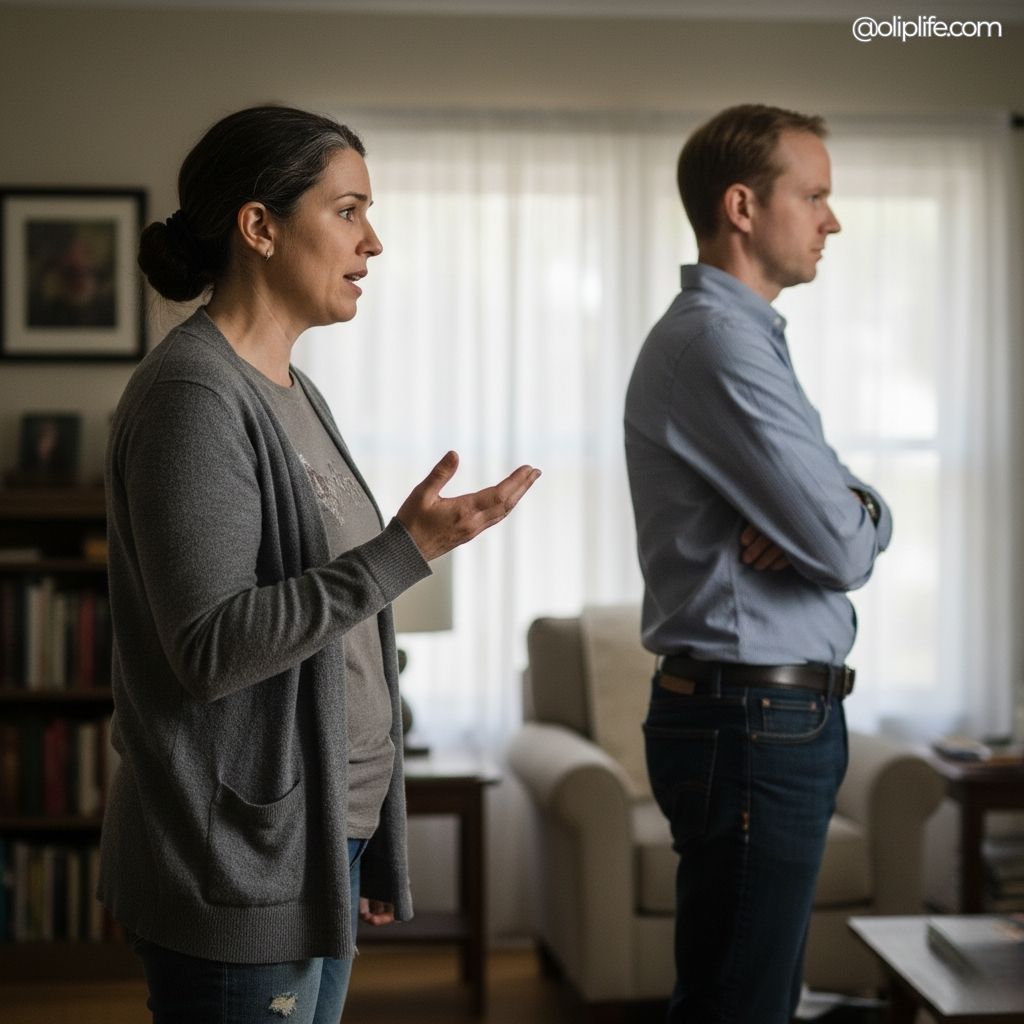
The Quiet Erosion of Trust Between Parents
Stress didn’t just affect how we parented the kids.
It affected how we trusted each other.
Under pressure, we began second-guessing decisions instead of building on them. A choice made in the moment became a point of critique later. We questioned tone, timing, and judgment in ways that felt less curious and more corrective.
Neither of us meant to undermine the other.
But stress narrowed our perspective, making it harder to see the full picture. Instead of assuming good intent, we began bracing for misalignment.
That shift created distance we didn’t immediately name.
How the Kids Felt the Change Before We Did
Children notice changes in emotional climate long before adults acknowledge them.
They sensed when our responses became less predictable. They noticed when one parent intervened quickly while the other hung back. They learned whose cues mattered most in moments of tension.
Stress didn’t just change how we parented together.
It changed how our children experienced us as a team.
They became more vigilant, more careful, more strategic in how they approached us. Not in a manipulative way, but in a self-protective one, adapting to an environment that felt less stable than before.
That realization was painful.

The Moment We Had to Name It
The turning point didn’t come during a crisis.
It came during an ordinary evening, after the kids were in bed, when the house was quiet enough for honesty. We were talking about a disagreement from earlier in the day, and suddenly the argument shifted direction.
This isn’t about the kids, one of us said.
And for the first time, we both agreed.
Stress had been shaping our parenting from behind the scenes, turning small differences into fault lines and reducing collaboration to logistics. Naming it didn’t fix everything immediately, but it created a shared understanding that changed the tone of our conversations.
Relearning How to Parent Together Under Pressure
We didn’t eliminate stress.
We learned how to work with it.
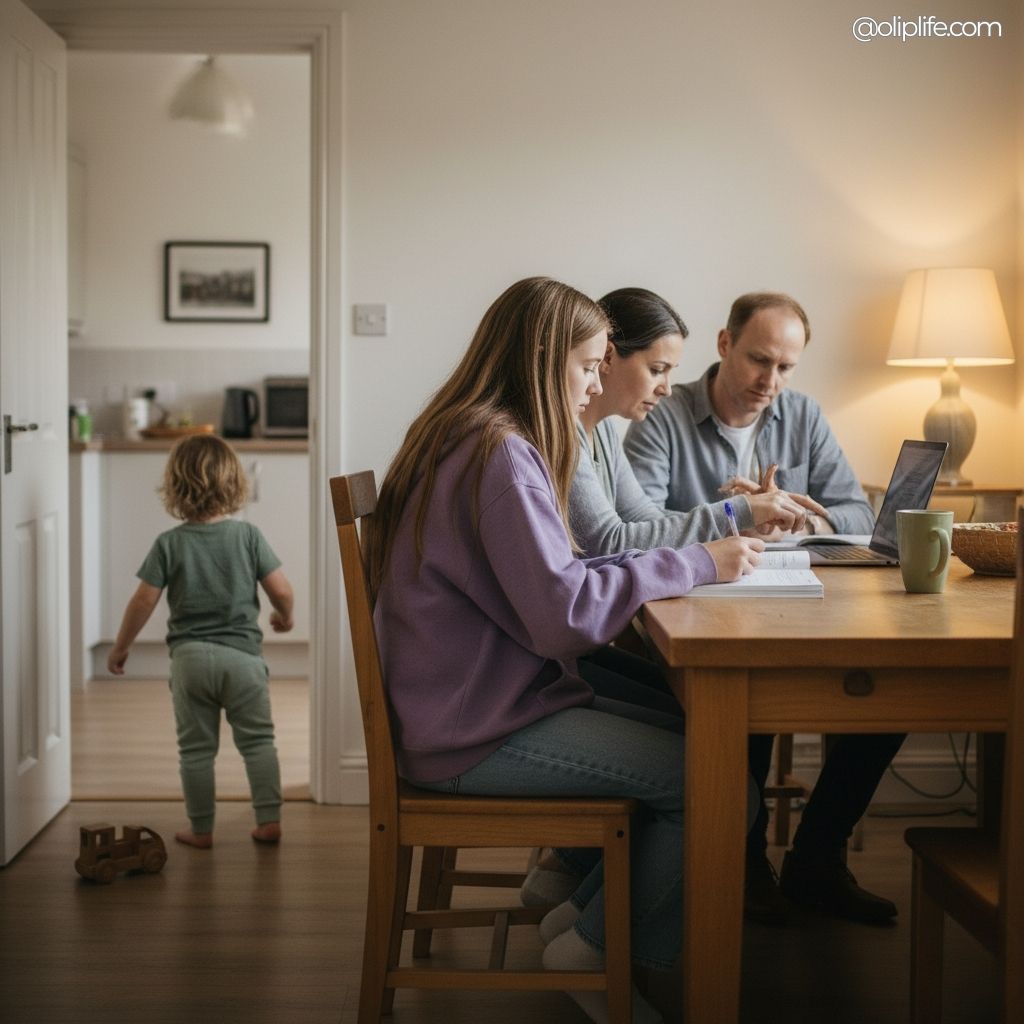
We slowed down decisions when possible, even if it felt inefficient. We began checking in with each other before responding to recurring issues. We named when stress was driving a reaction instead of pretending it wasn’t a factor.
Most importantly, we stopped treating disagreement as a problem to solve quickly and started treating it as information about where support was needed.
That shift restored a sense of partnership we didn’t realize we had lost.
Letting Go of the Ideal Version of Ourselves
One of the most freeing realizations was accepting that stress would change us.
We stopped chasing the version of ourselves that parented calmly under ideal conditions and started working with who we were in reality. That meant acknowledging limits, adjusting expectations, and offering each other more grace.
We learned that parenting together isn’t about maintaining a fixed approach.
It’s about adapting in ways that preserve connection, even when circumstances are less than ideal.

What Stress Ultimately Taught Us
Stress stripped away some illusions.
It showed us where our communication needed strengthening. It revealed which values required protection when energy was low. It forced us to confront how easily collaboration can slip into coordination without connection.
But it also taught us something valuable.
That parenting together isn’t measured by how aligned we are when things are easy, but by how willing we are to stay engaged when things are hard.
What I Hold Onto Now
I no longer expect stress to leave our parenting untouched.
Instead, I watch for how it shows up. I notice when efficiency starts replacing empathy, when reaction replaces reflection, when we drift into separate lanes instead of staying connected.
Those moments are signals, not failures.
They remind me to pause, to reconnect, and to remember that parenting together is a relationship in itself, one that needs care, attention, and repair just as much as any other.
Final Thoughts
How stress changed the way we parented together is a story about adaptation, not breakdown.
Stress didn’t make us incompatible. It made our patterns visible. It showed us where we needed to slow down, speak up, and re-learn how to listen to each other when the stakes felt high.
Parenting together under stress will never look perfect.
But when we stay curious instead of defensive, when we prioritize connection over efficiency, and when we remember that we are on the same side even when we respond differently, stress becomes less of a wedge and more of a teacher.
And that lesson continues to shape not just how we parent our children, but how we show up for each other in the process.