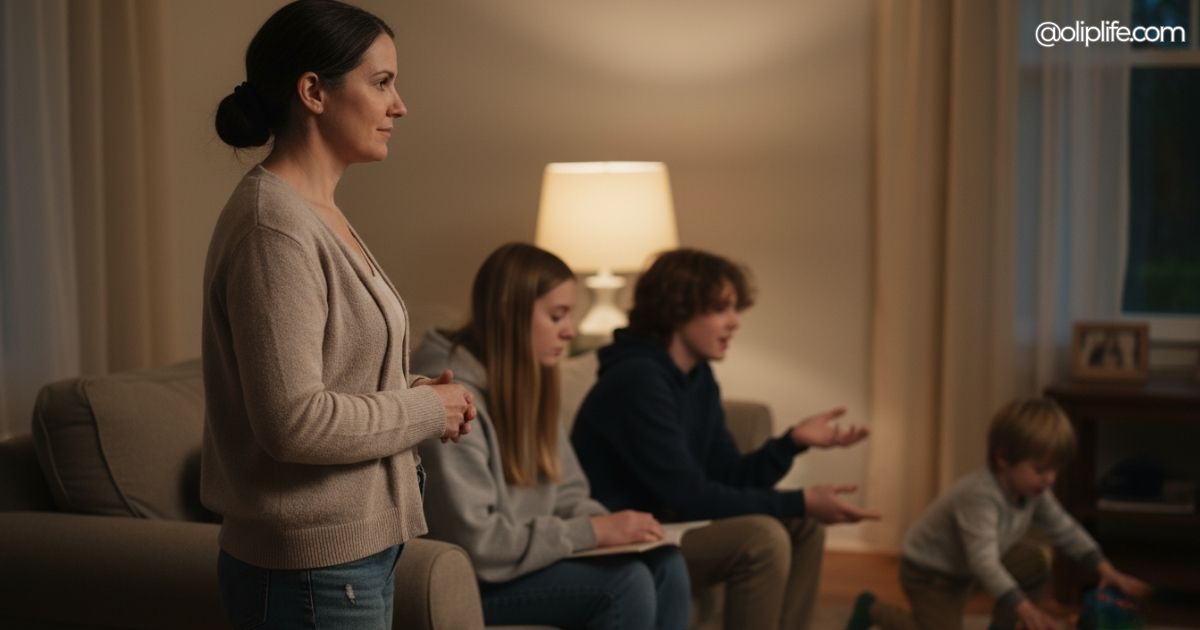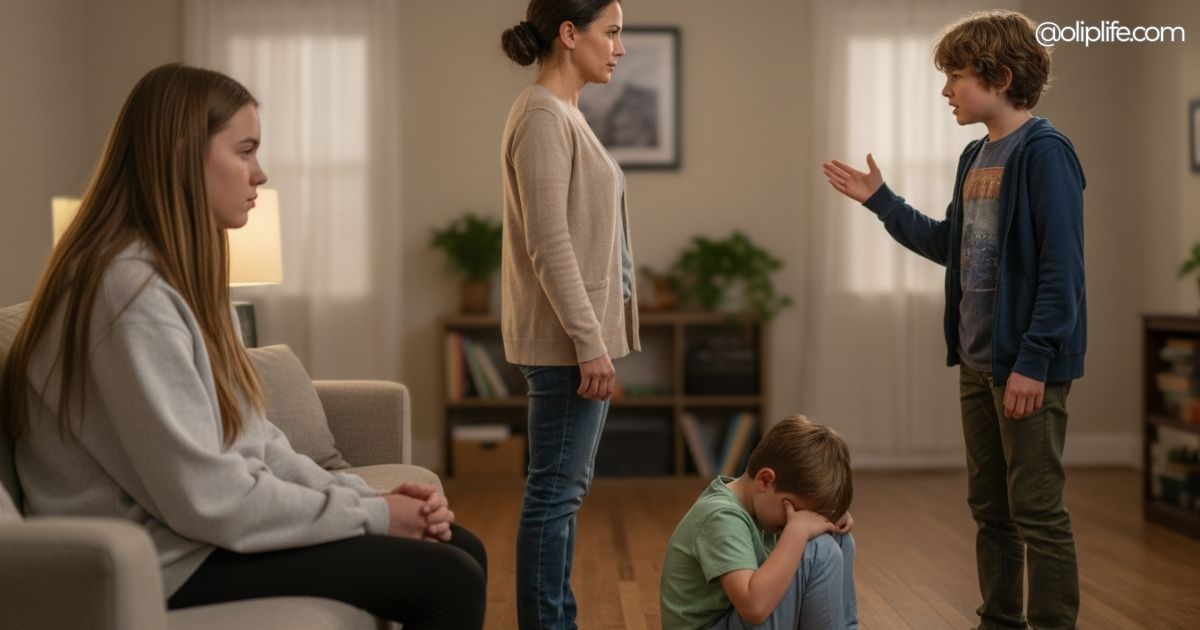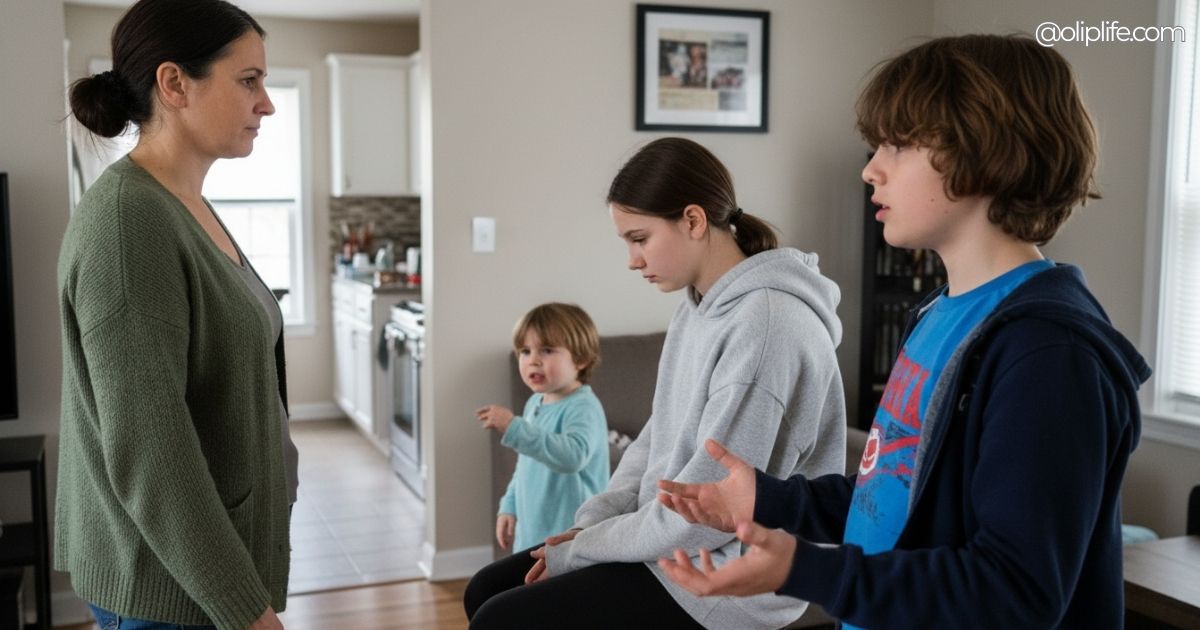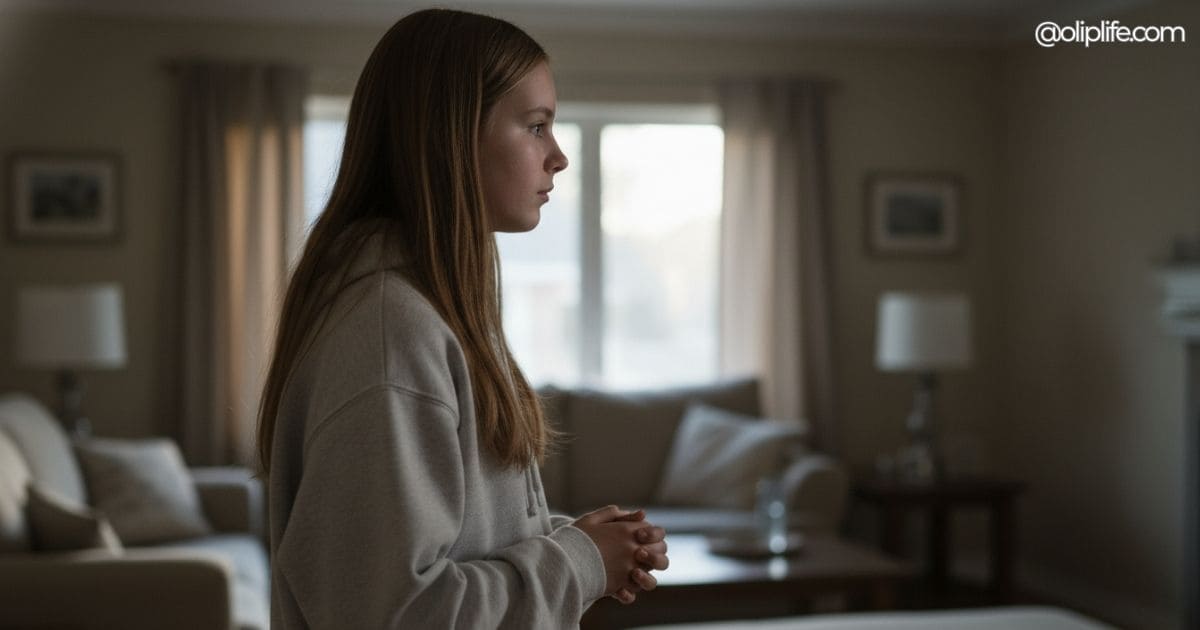
I used to believe silence was the safest option.
When emotions ran high, when disagreement hovered in the room, when the timing felt wrong to say the right thing imperfectly, I chose quiet. I told myself I was protecting my children from tension, from adult complexity, from conflict they didn’t need to carry. Silence felt controlled, mature, restrained. It felt like the opposite of damage.
What I didn’t understand then was that silence is not neutral.
And for one of my children, silence carried more weight than any argument we ever had.
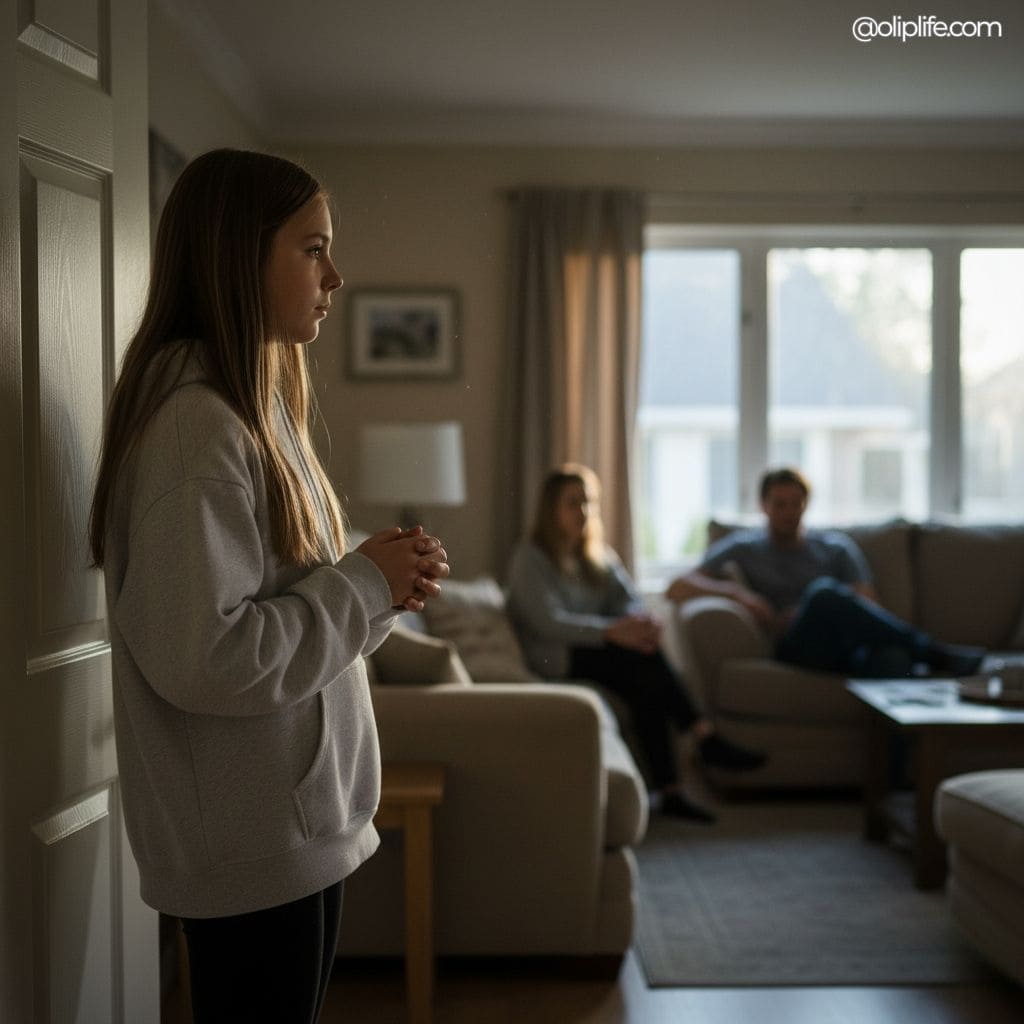
The House Where Things Stayed Unsaid
We were not a shouting family.
Disagreements happened, but they were contained. Voices stayed measured. Hard conversations were postponed until later, often until the kids were asleep or distracted elsewhere. If something felt emotionally charged, I believed the responsible thing to do was to smooth it over quickly or let it fade without discussion.
I grew up learning that silence was a form of respect. You didn’t say everything you felt. You didn’t burden others with your emotions. You handled things internally and moved on.
So when parenting presented moments of discomfort, that was the script I followed.
If a child was hurt but functioning, I assumed they would process it in their own time.
If tension passed without explosion, I assumed no repair was necessary.
If no one brought it up again, I assumed it had resolved itself.
I didn’t notice what silence was teaching.
The Child Who Listened to What Wasn’t Said
This child wasn’t the loudest or the most reactive.
They didn’t escalate when upset. They didn’t demand immediate resolution. They watched, waited, and absorbed. They noticed tone changes before words shifted. They tracked emotional distance with precision, even when everything appeared calm on the surface.
Arguments didn’t unsettle them as much as I expected. Silence did.
After moments where I chose not to explain, not to check in, not to revisit something uncomfortable, I noticed subtle changes. They became more careful in how they spoke. They asked fewer questions. They seemed to scan for cues before deciding whether it was safe to share what they were thinking.
At first, I interpreted this as emotional maturity.
It took time to realize it was emotional self-protection.
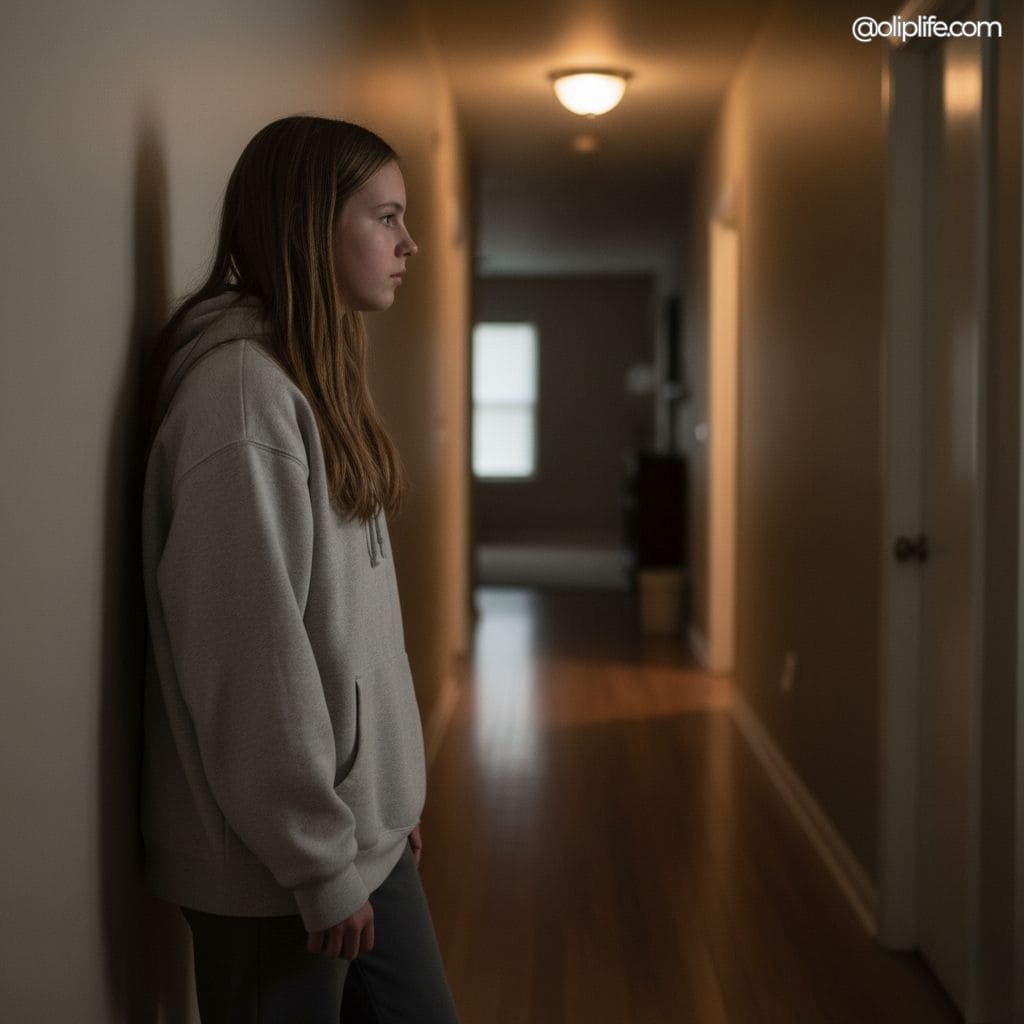
Why Silence Feels Heavier Than Conflict
Arguments are concrete.
They have words, tone, and direction. Even when they’re uncomfortable, they offer information. Children can see disagreement, hear resolution, and observe how emotions move through the room.
Silence offers none of that clarity.
When adults go quiet after something tense, children fill in the gaps themselves. They create explanations that make sense based on their temperament and experience. For sensitive children especially, silence becomes an invitation to assume responsibility.
Did I upset them?
Was I wrong to feel that way?
Is this something I shouldn’t bring up again?
An argument might feel sharp in the moment, but silence can linger indefinitely.
The Moment I Realized Silence Was Doing Harm
The realization didn’t come during a conflict.
It came later, during an unrelated conversation, when this child referenced something that had happened weeks earlier, something I assumed had long been forgotten.
They said, almost casually, “I didn’t ask because I thought you were still upset.”
I wasn’t upset.
I hadn’t been upset for weeks.
But I had never said that out loud.
In that moment, I understood that silence had not communicated calm. It had communicated uncertainty. And uncertainty, for a child, is far more destabilizing than disagreement.
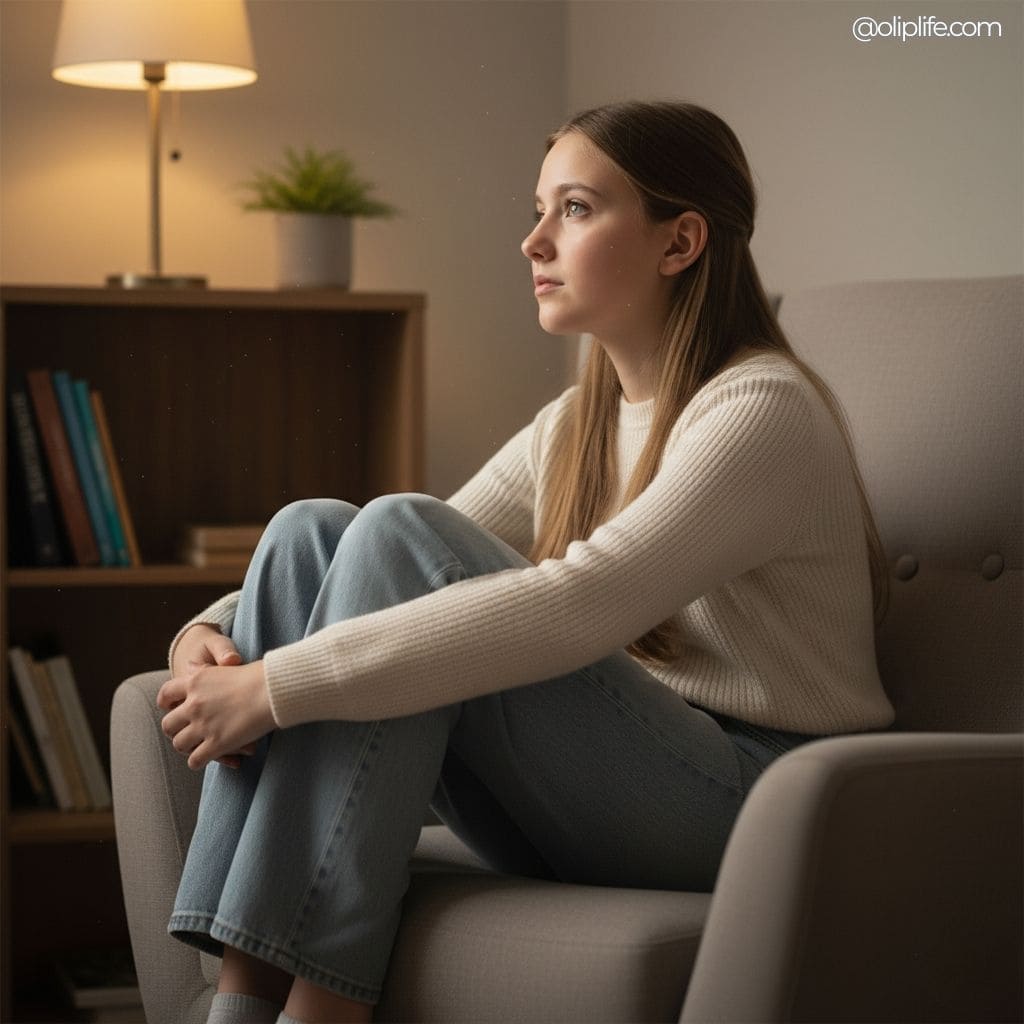
What Silence Taught Them Instead
Silence taught this child to monitor the emotional environment closely.
They learned to wait for cues instead of asking questions.
They learned to read faces instead of hearing explanations.
They learned that emotional clarity was not guaranteed.
Instead of learning how conflict resolves, they learned how to stay small until things felt safe again.
That skill kept them out of trouble.
It also kept them from connection.
The Difference Between Quiet and Avoidance
I had confused quiet with peace.
True quiet comes from regulation, from understanding, from a sense that things have settled internally. Avoidant quiet comes from uncertainty, from not knowing where things stand, from holding unanswered questions alone.
For this child, my silence after tense moments didn’t feel like calm.
It felt like distance.
And distance, especially when it’s unexplained, can feel like rejection.
How Arguments Would Have Been Easier
Looking back, I see now that arguments would have been easier for them to process.
An argument would have shown that emotions could rise and fall without threatening connection. It would have provided a clear arc, a beginning, a middle, an end. It would have offered reassurance through resolution.
Silence offered none of that.
It left the story unfinished.
And sensitive children don’t ignore unfinished stories. They live inside them.
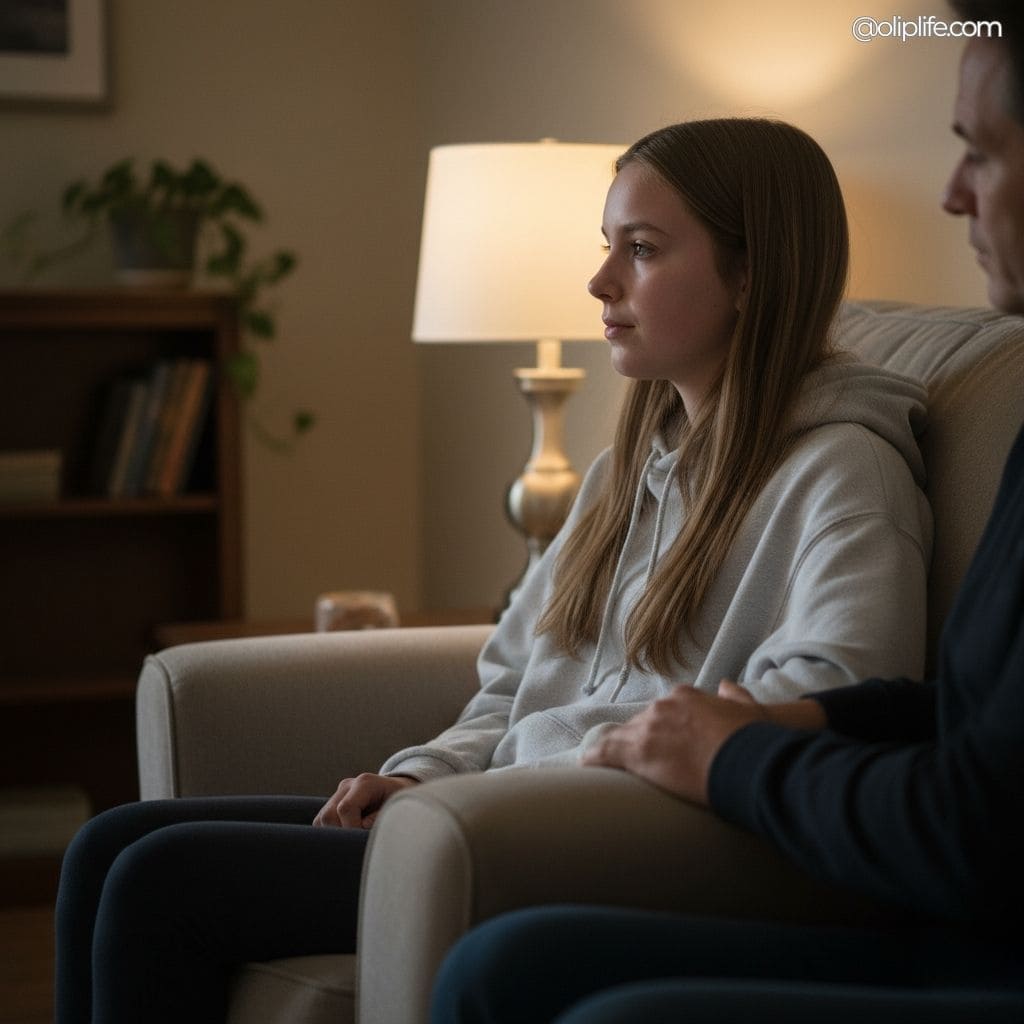
What Changed When I Began Naming What Was Unspoken
Once I saw the impact of silence, I began making small but deliberate changes.
I named when I was feeling overwhelmed instead of withdrawing.
I revisited moments that felt tense, even days later, to clarify that things were okay.
I checked in without waiting for a child to raise the issue first.
I didn’t over-explain or dramatize. I simply made the implicit explicit.
“I wasn’t upset with you.”
“That moment was hard, but we’re okay now.”
“You didn’t do anything wrong.”
Those sentences mattered more than I realized.
What Happened When Silence Lost Its Power
As silence lost its ambiguity, something shifted.
This child began asking questions sooner instead of holding them internally. They took emotional risks without scanning the room first. They trusted that discomfort didn’t mean disconnection.
They still preferred calm environments. They were still sensitive to emotional shifts. But they no longer carried the burden of interpreting silence alone.
The house didn’t become louder.
It became clearer.
What I Learned About Emotional Safety
Emotional safety isn’t created by the absence of conflict.
It’s created by clarity.
Children don’t need adults who never struggle. They need adults who help them understand what those struggles mean, and just as importantly, what they don’t mean.
Silence, when it replaces explanation, leaves children guessing.
And guessing is exhausting.
Why This Matters More Than We Think
Many of us were taught that silence is polite, mature, even kind.
In adult relationships, silence can sometimes be a pause for reflection. For children, especially sensitive ones, silence often feels like a withdrawal of connection.
They don’t have the context or life experience to interpret it accurately.
Without guidance, they assume.
And their assumptions are rarely generous toward themselves.
What I Know Now
I no longer aim to keep everything calm and quiet at all costs.
I aim to keep things understandable.
That means naming tension. That means returning to conversations after emotions have settled. That means offering reassurance even when no one has asked for it.
Silence still has a place in our home.
But it no longer does the heavy lifting.
Final Thoughts
How silence affected one child more than any argument ever did taught me something essential about parenting.
It taught me that what we don’t say can shape a child just as powerfully as what we do. It taught me that calm without clarity can feel unsafe, and that avoidance, even when well-intentioned, can create distance instead of peace.
Arguments pass. Raised voices fade. Disagreements resolve.
But silence lingers.
When parents learn to replace silence with gentle clarity, they give their children something invaluable.
The certainty that even when things are uncomfortable, connection remains intact.
And for a child who listens closely to what isn’t said, that certainty makes all the difference.