The imbalance didn’t show up as control.
It showed up as efficiency.
Decisions made quickly. Plans moving forward without much discussion. Problems solved before they had time to become problems. For a long time, that felt like teamwork, the kind that keeps a household running smoothly and prevents small issues from spiraling into something larger. I told myself we were aligned, that we trusted each other, that we didn’t need to talk everything through because we already knew where the other stood.
Parenting has a way of disrupting that illusion.
It slows life down just enough to make patterns visible, especially the ones that have always been there but never caused friction before. When children entered the picture, the systems that once felt seamless began to reveal uneven weight distribution. One voice carried further. One perspective set the tone. One parent’s instincts were treated as default, while the other’s required explanation.
None of this was intentional.
That’s what made it harder to see.
Before Kids, Power Looked Like Compatibility
Before parenting, our differences rarely collided. We had similar values, overlapping goals, and a shared sense of responsibility. When decisions came up, one of us often took the lead, and the other followed without resistance. It felt natural, even comforting, to let the more decisive voice steer when things needed to move quickly.
In adulthood, that dynamic can pass easily as compatibility.
We divided tasks efficiently. We trusted each other’s judgment. We avoided unnecessary conflict by letting things go. From the outside, and often from the inside, it looked like a partnership built on ease.
What we didn’t recognize was that ease can sometimes be a sign that one person is doing more of the adapting.
Parenting Turns Volume Into Impact
Children amplify everything.
Every decision becomes layered with consequence. Choices about routines, discipline, expectations, and values don’t end with agreement between adults. They ripple outward, shaping how children experience safety, autonomy, and fairness.
It was in these moments that the imbalance began to surface.
One parent’s interpretation of behavior became the immediate response. One parent’s tolerance threshold set the limit. When we disagreed, the default path often followed the same voice, not because it was louder or more forceful, but because it was familiar.
I noticed myself deferring more often than I questioned. I noticed how easily I stepped back, how quickly I justified it to myself as flexibility or cooperation. It took time to realize that what I was calling harmony was actually a pattern of quiet concession.
The Subtle Ways Power Operates
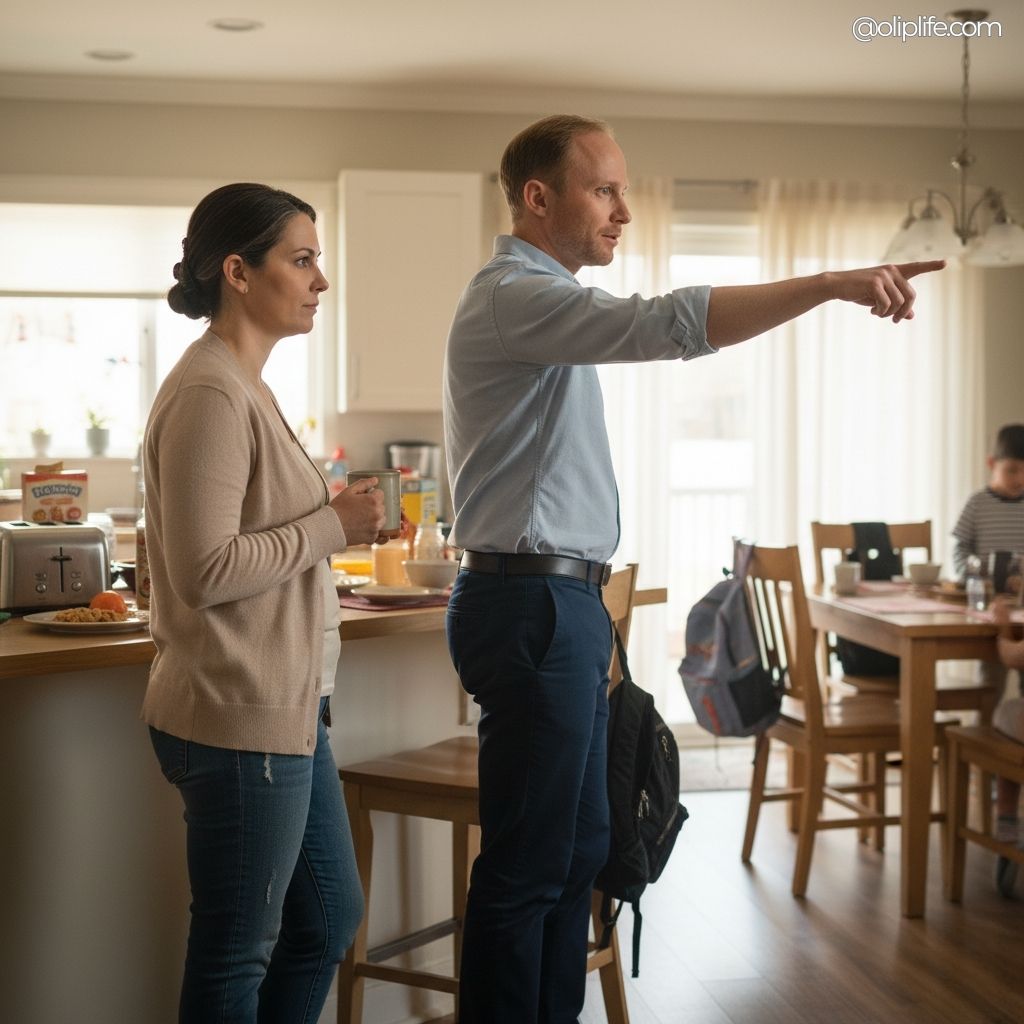
Power imbalances don’t always look like domination.
More often, they look like momentum.
Who speaks first when a problem arises.
Whose interpretation frames the conversation.
Whose solution is implemented while the other’s is considered optional.
In parenting, these moments accumulate quickly. A response to a child becomes precedent. A decision made under pressure becomes routine. Over time, one approach solidifies into “the way we do things,” even if it was never fully agreed upon.
The imbalance wasn’t enforced. It was inherited.
When Disagreement Felt Personal
As parenting challenges became more complex, disagreements felt heavier. It wasn’t just about bedtime or screen time anymore. It was about emotional needs, discipline philosophy, and how much space children should be allowed to take up when they struggled.
When I questioned decisions, I felt like I was slowing things down, complicating matters, or being overly sensitive. When my partner questioned me, it felt like a challenge to competence rather than a difference in perspective.
That emotional charge was the signal I had been missing.
Healthy disagreement doesn’t feel like a threat. When it does, it’s often because the balance of power is already tilted.
The Moment I Couldn’t Ignore It
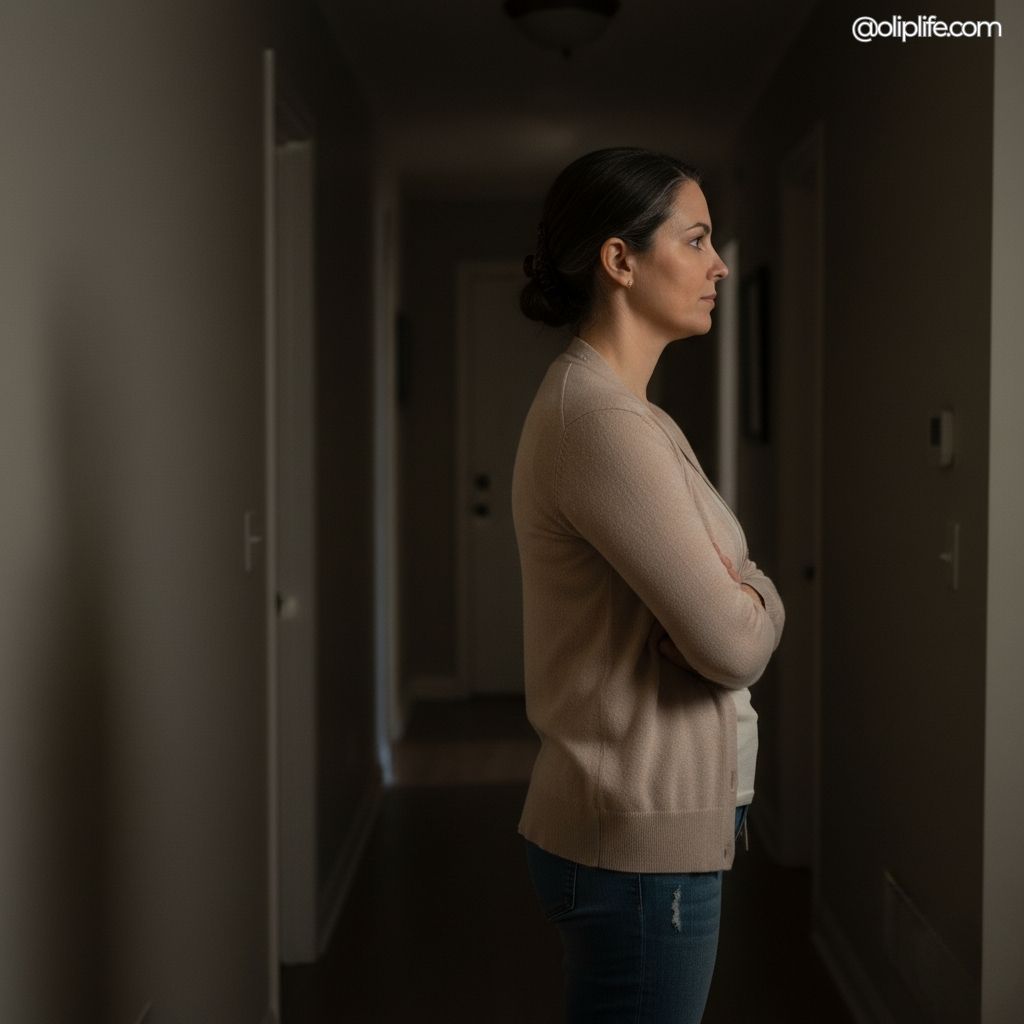
The realization didn’t arrive during a major conflict.
It came during a quiet moment, after a decision had already been made about how to handle a recurring issue with one of the kids. I realized that my role had been reduced to implementation rather than participation. I was carrying out a plan I didn’t fully agree with, telling myself it didn’t matter enough to push back.
But it did matter.
Not because the decision was wrong, but because the process excluded part of the partnership.
Parenting had exposed a pattern that adult life alone never required us to confront.
Why We Miss Power Imbalances Before Kids
Before children, power imbalances can remain dormant.
Adults have autonomy. Disagreements don’t always demand resolution. Compromise can be informal and uneven without immediate consequence. One person can adapt quietly without anyone noticing, including themselves.
Parenting removes that buffer.
Every imbalance shows up in how children are corrected, comforted, or heard. When one parent consistently sets the emotional tone, children learn whose reactions matter more. When one parent’s perspective overrides the other’s, children internalize hierarchy long before anyone names it.
That realization was uncomfortable, but necessary.
What Parenting Forced Us to Relearn
Parenting forced us to slow down decisions that once felt automatic.
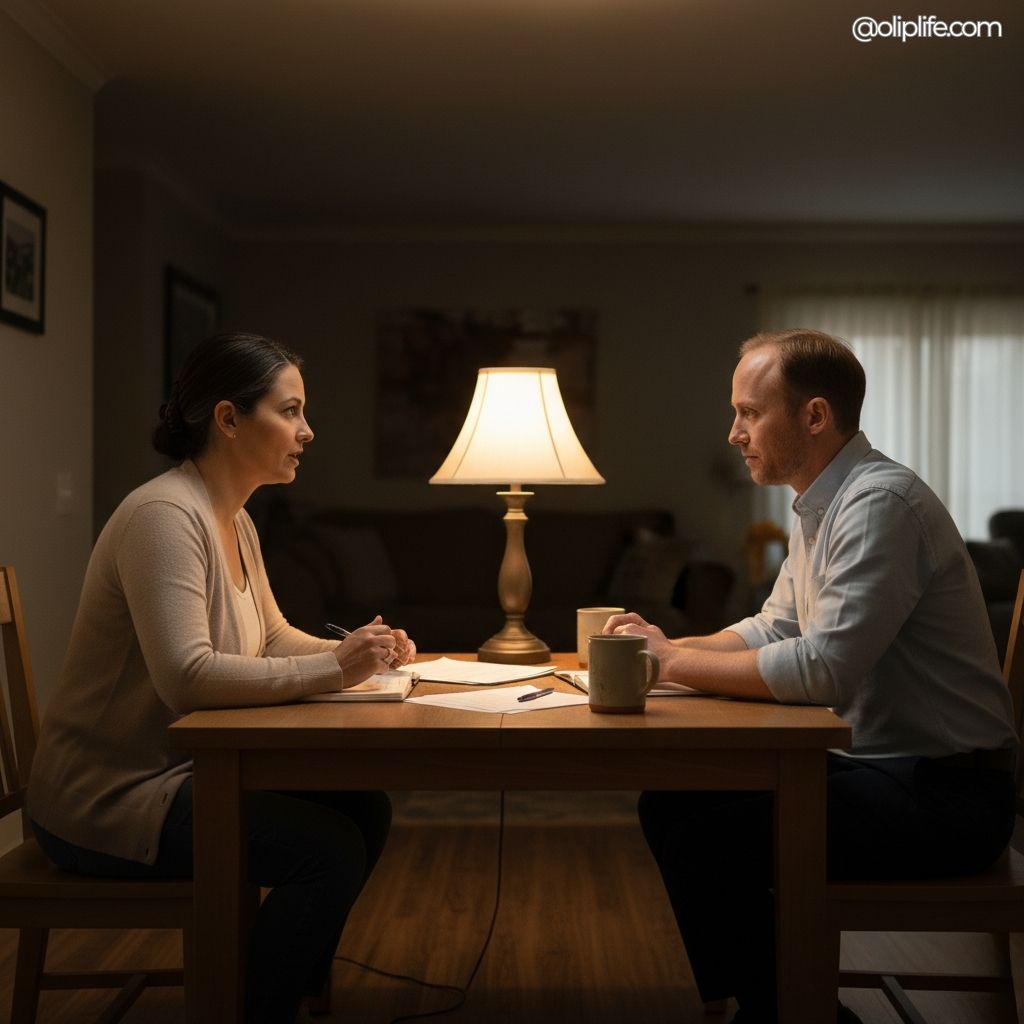
We had to revisit assumptions about leadership, expertise, and emotional authority. We had to ask uncomfortable questions about why certain instincts were treated as more valid than others, and whether that dynamic truly served our children or our relationship.
These conversations weren’t clean or efficient.
They required patience. They required listening without defensiveness. They required acknowledging that imbalance doesn’t require blame to exist.
It only requires awareness.
Rebuilding Balance Without Keeping Score
Addressing the imbalance didn’t mean flipping roles or keeping track of who led last.
It meant rebuilding processes.
We began pausing before responding to parenting challenges, especially in front of the kids. We checked in privately before finalizing decisions. We practiced naming uncertainty instead of defaulting to the most confident voice in the room.
Most importantly, we made space for disagreement without rushing to resolution.
Balance doesn’t come from equal airtime. It comes from mutual influence.
How the Kids Noticed the Shift
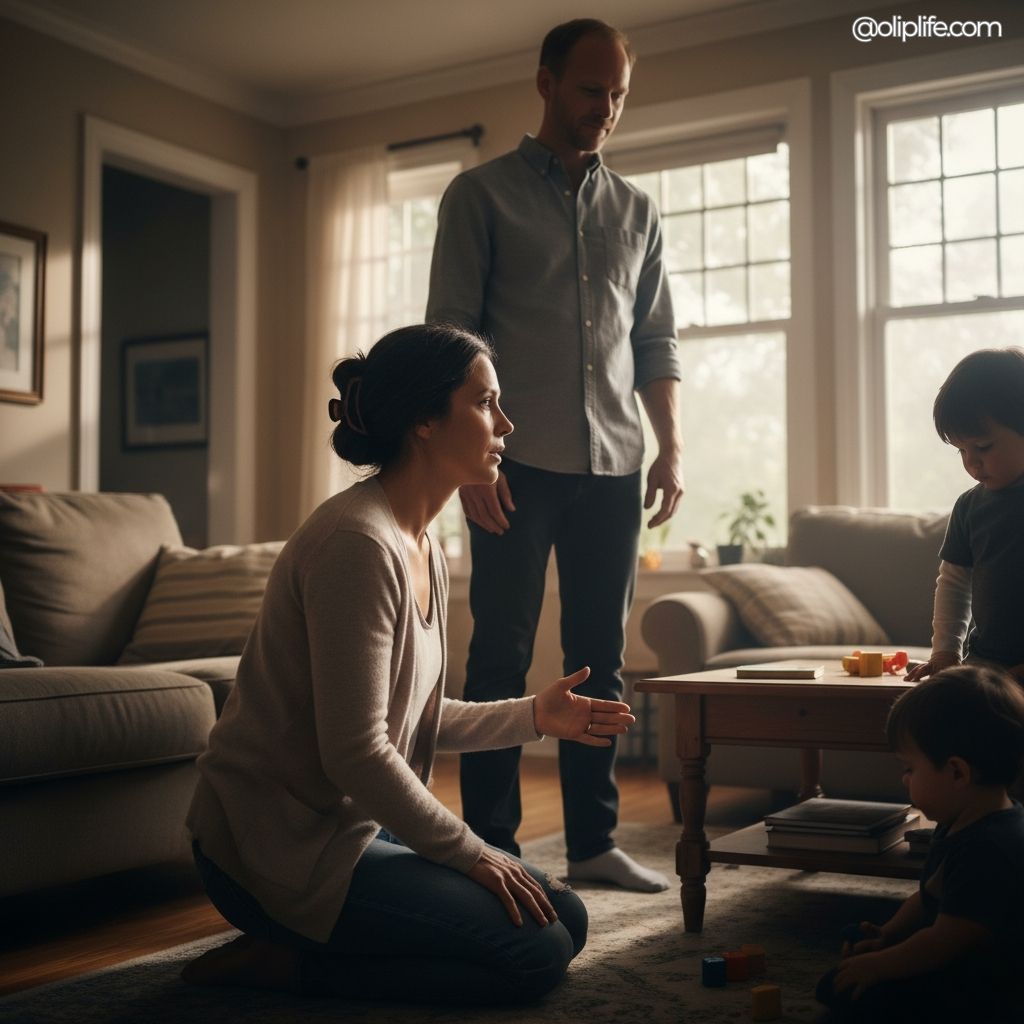
Children are perceptive.
They noticed when both parents spoke up. They noticed when disagreements were handled collaboratively rather than quietly overridden. They noticed when decisions reflected discussion rather than assumption.
The shift didn’t make parenting easier.
It made it more honest.
And honesty, even when imperfect, created a more stable emotional environment than efficiency ever had.
What This Changed in Me
Recognizing the imbalance required me to confront my own patterns.
I had learned early to value harmony over expression, to step back rather than disrupt. Parenting forced me to see how those instincts, while adaptive in some contexts, were limiting in others.
Advocating for balance didn’t mean becoming confrontational.
It meant becoming present.
What I Know Now
Parenting exposed a power imbalance we didn’t notice before because it demanded a level of intentionality our earlier life never required.
Children don’t just observe how parents care for them. They observe how parents relate to each other. The dynamics they witness become the framework they use to understand fairness, voice, and collaboration.
Ignoring imbalance doesn’t preserve peace.
It teaches hierarchy.
Final Thoughts
How parenting exposed the power imbalance we didn’t notice before is a story about awareness, not blame.
It’s about recognizing that good intentions don’t automatically create equity, and that compatibility doesn’t guarantee balance. Parenting doesn’t just test patience or resilience. It tests partnership.
When parents are willing to examine how decisions are made, whose voices carry weight, and how disagreement is handled, they don’t just strengthen their relationship.
They model something essential for their children.
That power can be shared.
That influence can move both ways.
And that real partnership is built, not assumed.