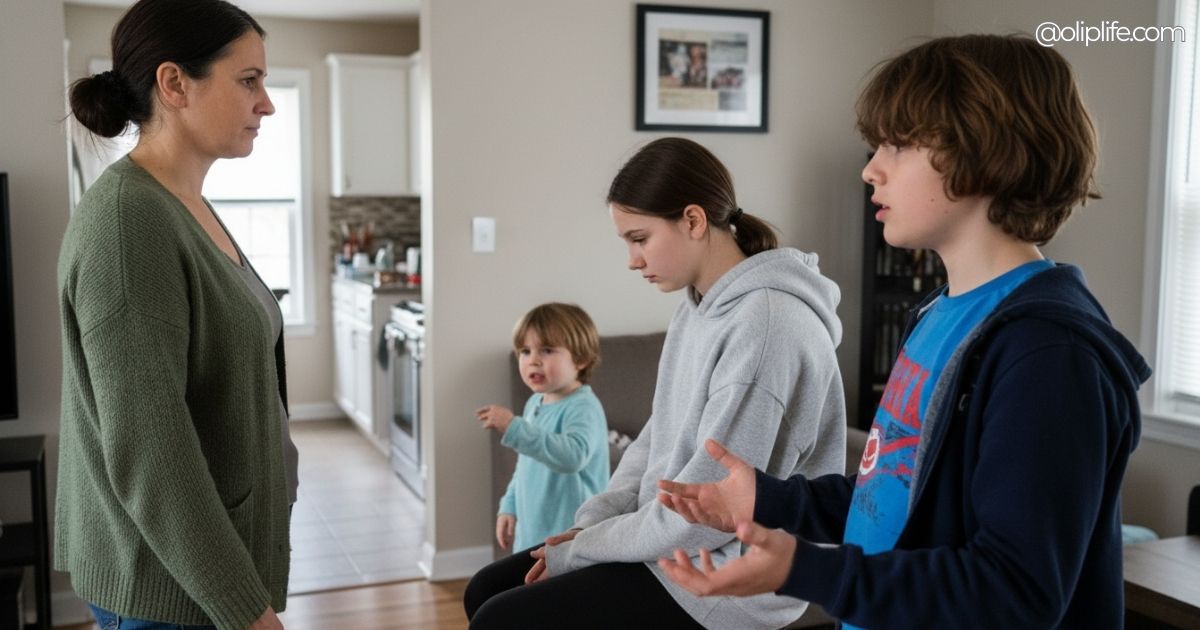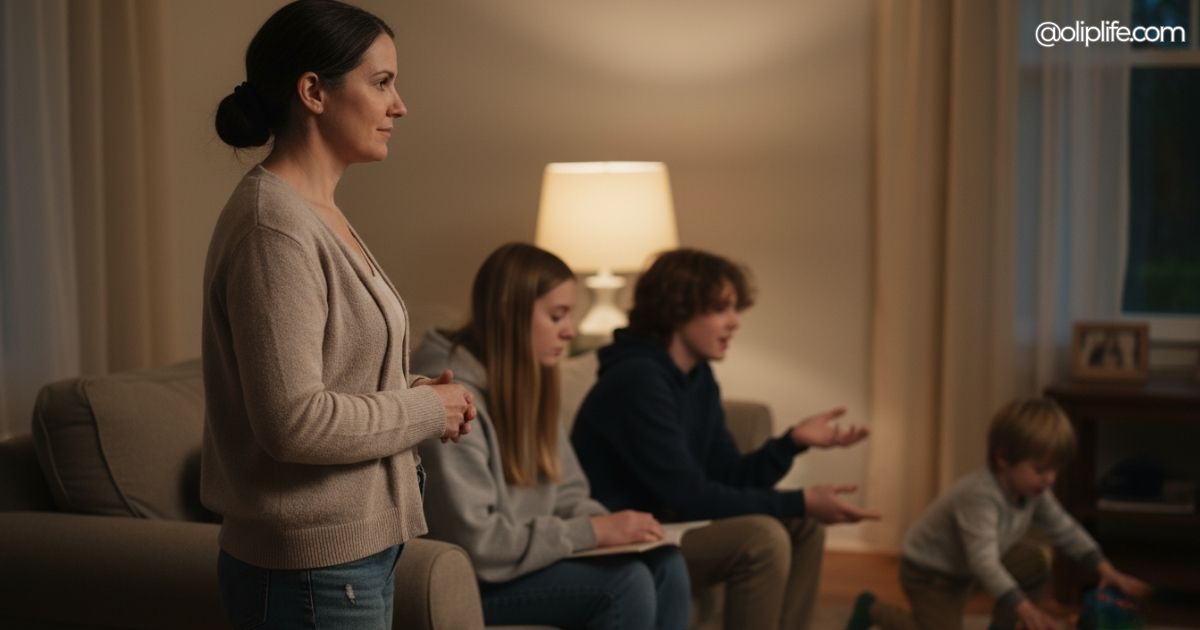
I used to think birth order was one of those theories parents referenced casually and then ignored.
People would mention it at playgrounds or during school pickup, usually with a laugh, as if it explained something amusing but ultimately inconsequential. Oldest kids are responsible. Middle kids are negotiators. Youngest kids are wild. I nodded along without giving it much weight, confident that our family ran on intention, not accident, and that fairness meant doing my best to parent each child the same way.
It took years for me to understand that I wasn’t parenting each child the same way at all.
I was parenting them through the position they occupied in the family, through the circumstances that existed when they arrived, and through the version of myself I happened to be at that point in time. Birth order didn’t just shape their personalities. It quietly shaped my expectations, my reactions, and the emotional space I made for each of them.
I didn’t see it clearly until I stepped back and looked at the patterns side by side.
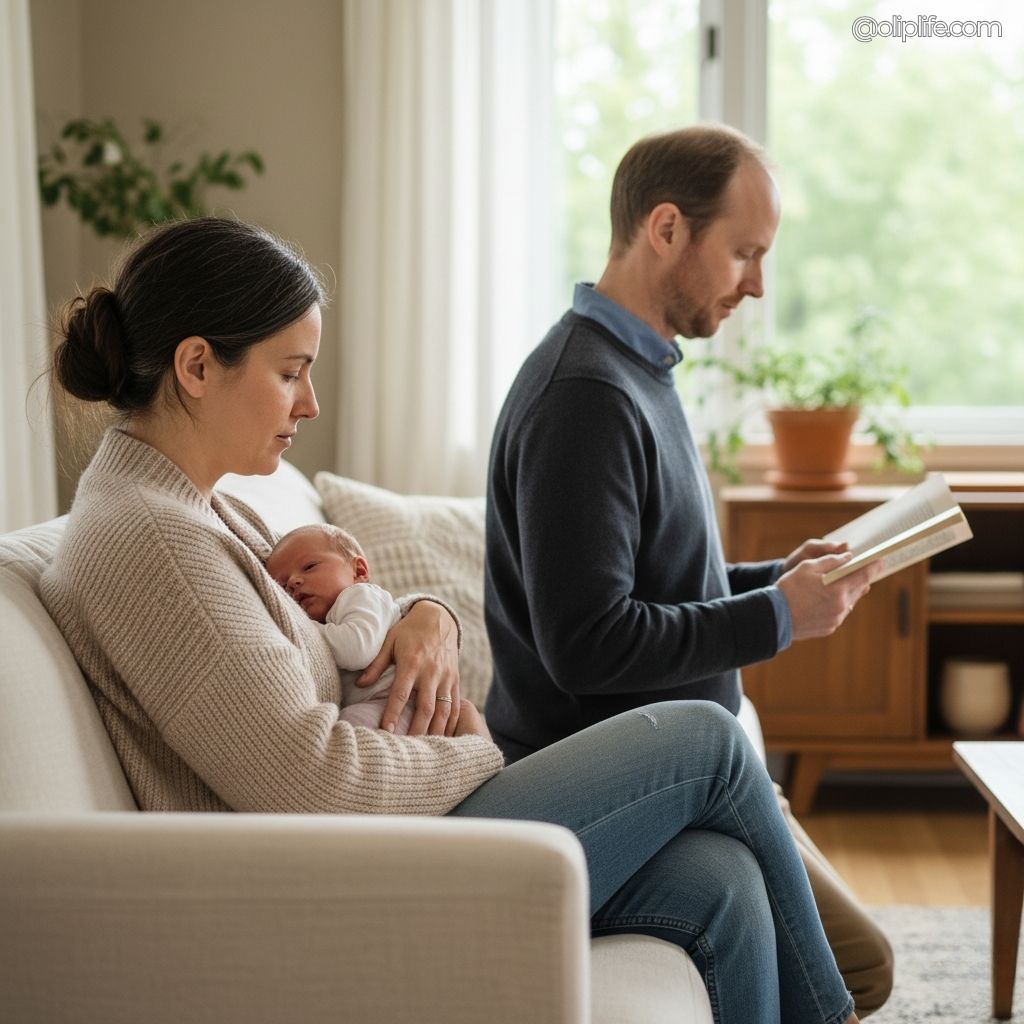
The Parent I Was the First Time Around
When Lucy was born, everything felt deliberate.
She arrived into a home with structure, routines, and two parents who still believed preparation could prevent most problems. Daniel and I read everything. We discussed decisions at length. We worried about doing things correctly, even when the stakes were small. We hovered without meaning to, not out of control but out of responsibility.
Lucy became the center of our attention simply because there was no one else competing for it.
When she struggled, I noticed immediately. When she hesitated, I leaned in. When she was quiet, I interpreted it as something to investigate rather than something to trust. I watched her closely, assuming that attentiveness was the same as support.
As a result, Lucy learned early that her inner world mattered. She also learned, just as early, that it was observed.
I expected a lot from her, not because I demanded excellence, but because I believed she could handle it. I spoke to her carefully. I corrected gently. I explained thoroughly. I assumed she would understand nuance because I had the time and energy to offer it.
None of this was wrong.
But it created a particular dynamic.
Lucy grew accustomed to being the reference point. The one whose reactions shaped how we approached situations. The one we checked in with first. The one we trusted to manage herself well because she usually did.
Without realizing it, I parented her as if she were older than she was.
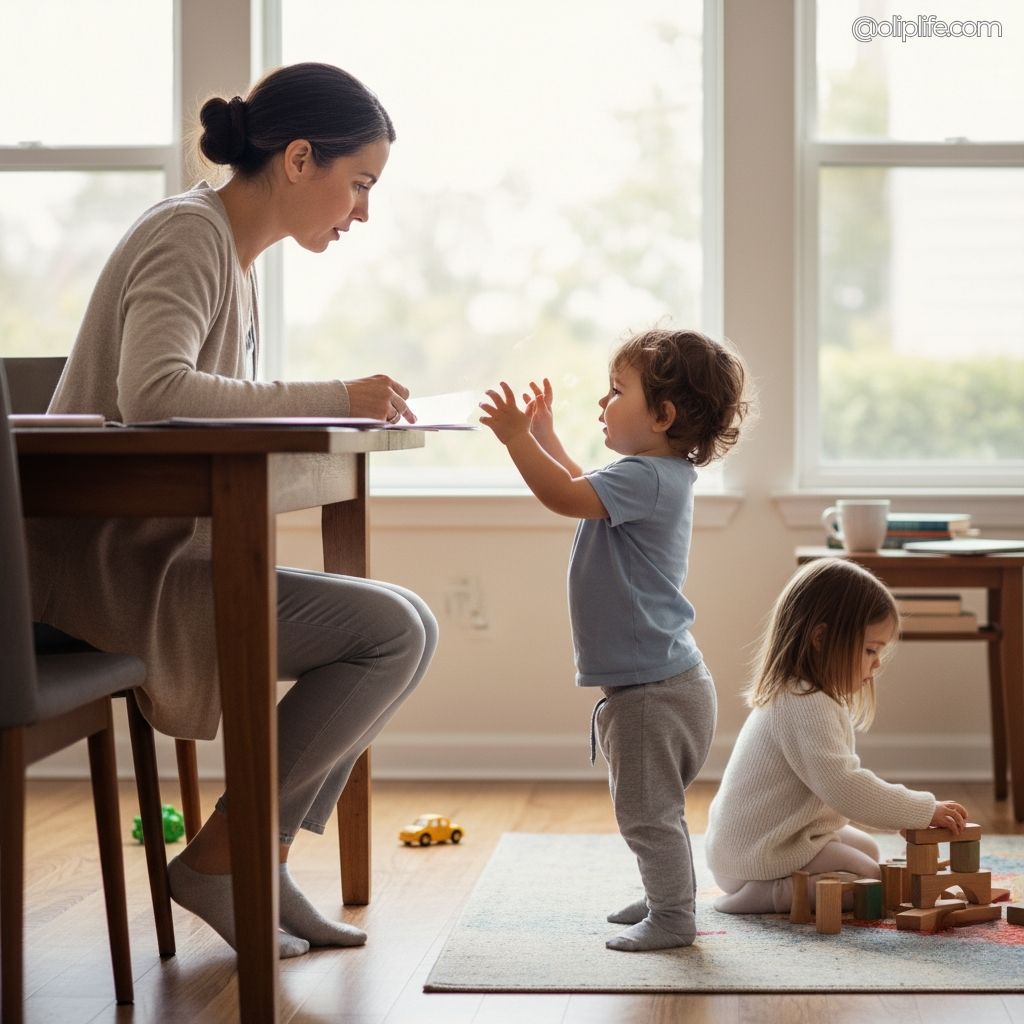
The Shift That Came With the Second Child
By the time Ben arrived, our family rhythm had already formed.
There were routines in place, expectations already tested, and a child who had taught us, through experience, what mattered and what didn’t. We were less cautious and more confident. We had opinions instead of questions. We had fewer discussions about how to handle things because we assumed we already knew.
Ben entered a home that was busier, louder, and less flexible.
He had to fit himself into an existing structure rather than shaping it around him. I didn’t watch him as closely because I couldn’t. I didn’t interpret every hesitation as a signal because there wasn’t time. When he spoke up, it was often in contrast to something already happening.
As a result, Ben learned to use his voice early.
He questioned rules because they were already in place. He argued not out of defiance, but out of curiosity and a need for clarity. He wanted to understand why things were the way they were, especially when they didn’t seem fair to him.
My response to that questioning was different than it had been with Lucy.
I was quicker to explain but also quicker to dismiss. I assumed he would catch up to the logic eventually. I expected flexibility from him because the family already required it. When he pushed back, I felt the friction more acutely because I was already managing competing needs.
I didn’t lower my expectations. I shifted them.
With Ben, I expected adaptability rather than readiness. Independence rather than carefulness. Tolerance rather than understanding.
Again, none of this was intentional.
But it mattered.

The Parent I Became By the Time the Third Child Arrived
When Owen was born, the family was already full.
There were siblings with opinions, schedules that didn’t bend easily, and parents who were tired in a way that no amount of preparation could prevent. The house had a momentum of its own by then, and Owen entered it at full speed.
By that point, I had learned what truly mattered and what could be let go. I was less concerned with doing things “right” and more focused on keeping everyone afloat. I trusted my instincts more. I worried less about long-term consequences and more about short-term regulation.
Owen didn’t receive the same explanations Lucy had. He didn’t face the same expectations Ben had. Instead, he was met with a kind of practicality that came from experience.
I adjusted around him rather than shaping him early.
When he reacted strongly, I responded quickly. When he struggled, I intervened sooner. When he needed help, I provided it without much analysis because I knew how fast overwhelm could spiral.
That responsiveness helped him regulate in the moment. It also meant that I sometimes underestimated his capacity to stretch.
I didn’t expect as much patience from him because I knew how chaotic the environment already was. I didn’t demand as much self-control because I saw how much stimulation he was managing. I often softened the world for him without realizing how different that felt compared to his siblings’ experience.
Seeing the Differences Side by Side
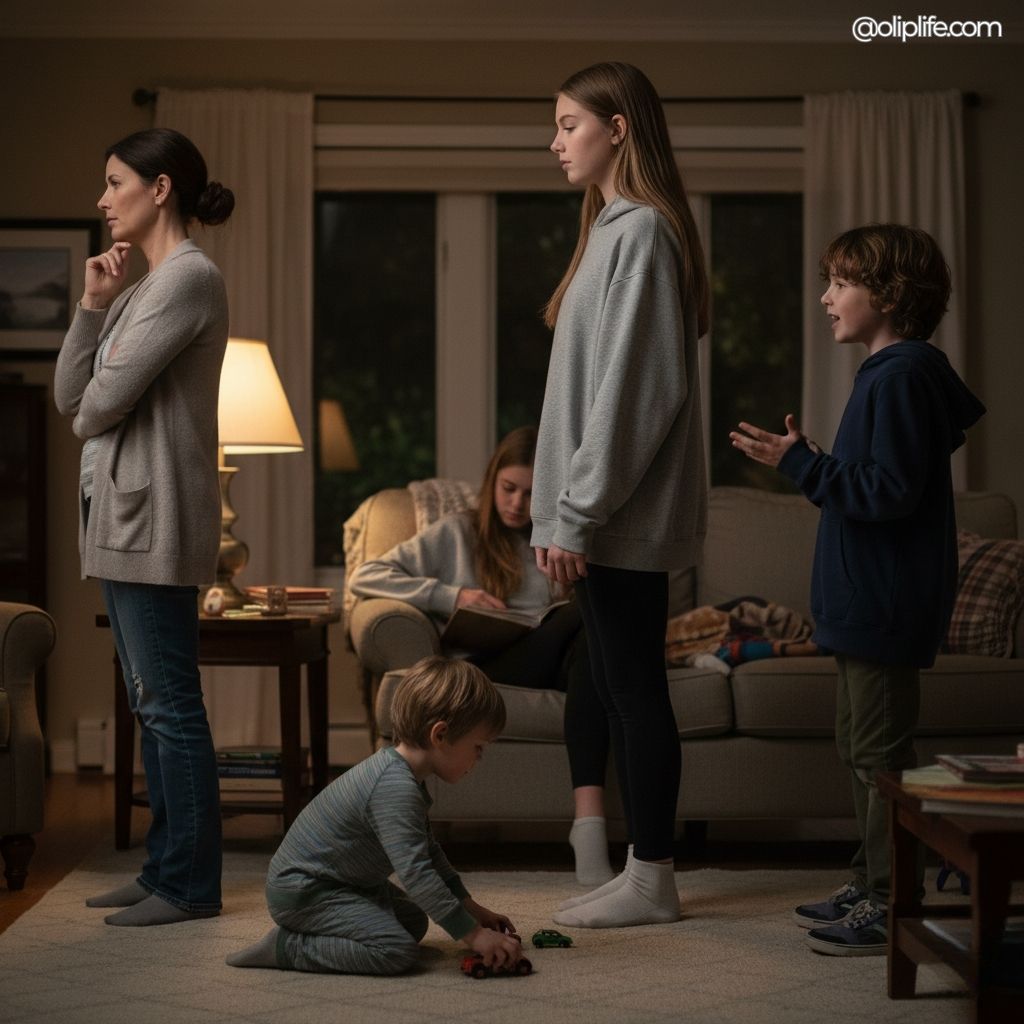
It wasn’t until all three children were old enough to articulate their experiences that the contrast became obvious.
Lucy spoke about pressure she never remembered agreeing to carry.
Ben spoke about feeling like rules applied differently depending on timing and convenience.
Owen spoke about wanting to do things on his own while sensing that adults expected him to need help.
None of them were wrong.
They were describing the same family through three different lenses, shaped by when they arrived and who they arrived alongside.
Birth order had quietly influenced how I spoke, how I waited, how I intervened, and how I interpreted behavior.
Not because I loved them differently, but because I was different.
How Birth Order Shaped My Reactions More Than Their Behavior
The most uncomfortable realization was recognizing that my reactions were often based on who I assumed each child to be, rather than who they were in that moment.
I expected Lucy to manage herself because she always had.
I expected Ben to push back because he usually did.
I expected Owen to struggle because he often did.
Those expectations shaped how much patience I brought into each interaction.
Birth order didn’t just shape their personalities. It shaped my assumptions.
Once I saw that, I couldn’t unsee it.
What Changed When I Adjusted My Awareness
I didn’t try to erase the effects of birth order. That would have been impossible and unnecessary.
Instead, I began checking myself.
Was I asking Lucy to carry something simply because she always had?
Was I bracing for Ben’s objections instead of listening for their meaning?
Was I stepping in for Owen out of habit rather than need?
Those pauses changed the tone of our home more than any rule adjustment ever could.
Lucy began expressing uncertainty earlier instead of holding it quietly.
Ben softened his delivery when he felt genuinely heard.
Owen gained confidence when I stepped back instead of forward.
Not because I parented them the same way, but because I parented them more consciously.
Why Fairness Was Never About Sameness
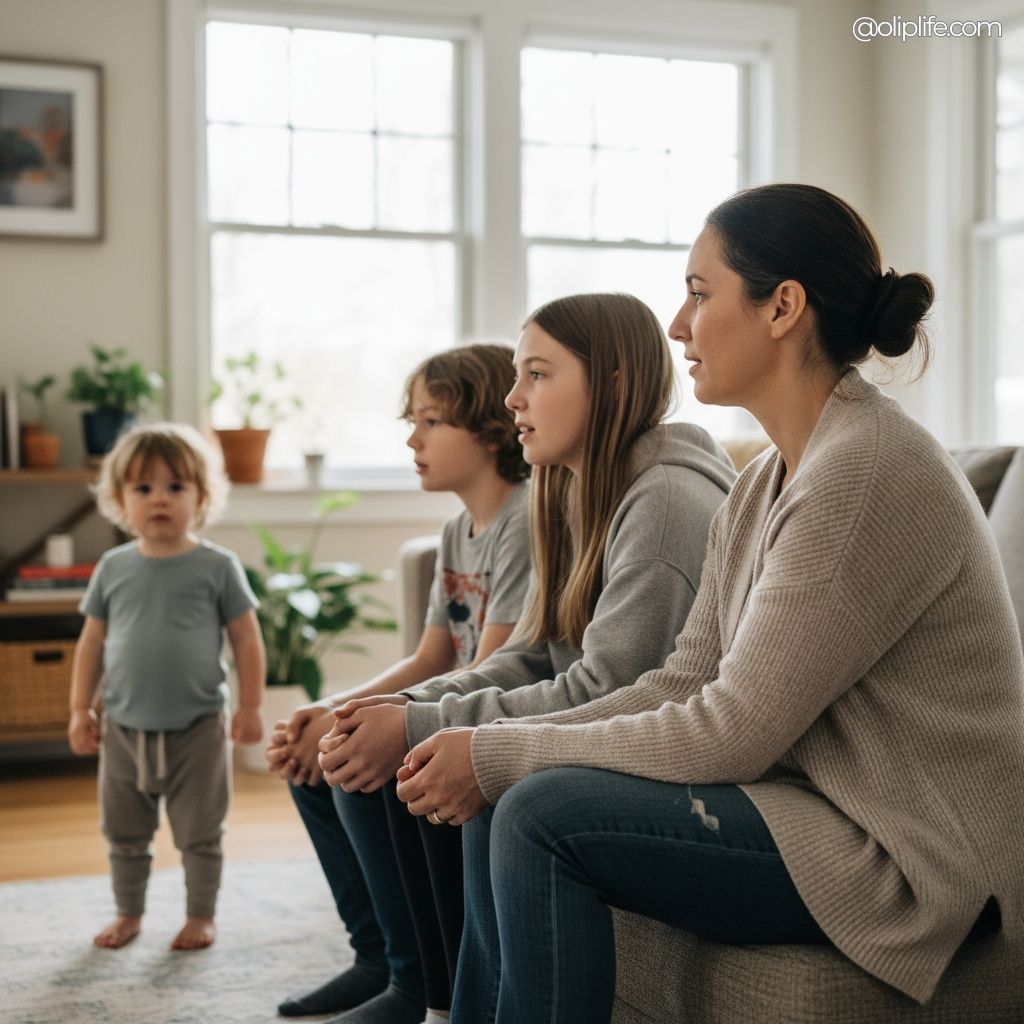
One of the biggest myths I had to let go of was the idea that fairness meant equal treatment.
Fairness meant meeting each child where they were, not where I assumed they should be based on their role in the family.
Birth order will always shape family dynamics. The goal isn’t to eliminate its influence, but to understand it well enough that it doesn’t dictate everything silently.
When parents stay unaware, patterns harden. When parents stay curious, patterns loosen.
What I Wish I Had Known Earlier
I wish I had known that birth order wasn’t something to correct, but something to observe.
I wish I had known that my growth as a parent would inevitably affect my children differently depending on when they encountered it.
Most of all, I wish I had known that noticing these differences earlier would have saved us all a great deal of quiet misunderstanding.
Final Thoughts
Birth order changed the way each of my kids is parented, not because I chose it to, but because families are living systems shaped by timing, energy, and experience.
What matters is not avoiding that influence, but responding to it with awareness.
When parents recognize how birth order shapes their expectations, they gain the ability to loosen roles, redistribute responsibility, and create space for children to grow beyond the version of themselves the family first learned.
That awareness doesn’t erase the past. It reshapes the present.
And in a family, that is often enough to change the future quietly, steadily, and for the better.