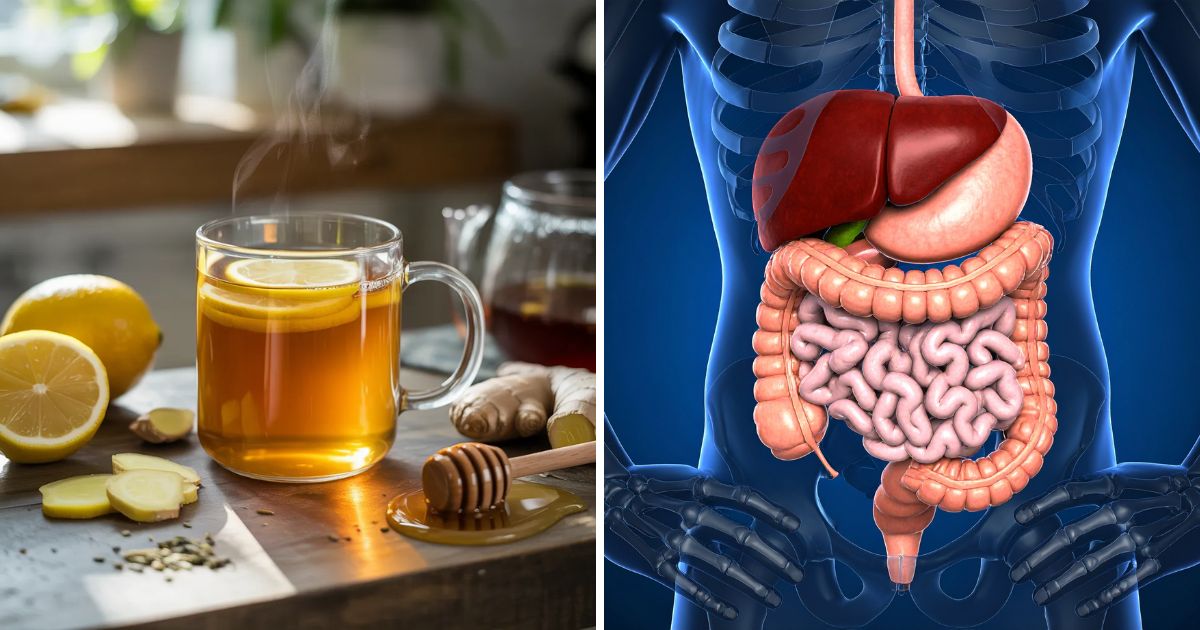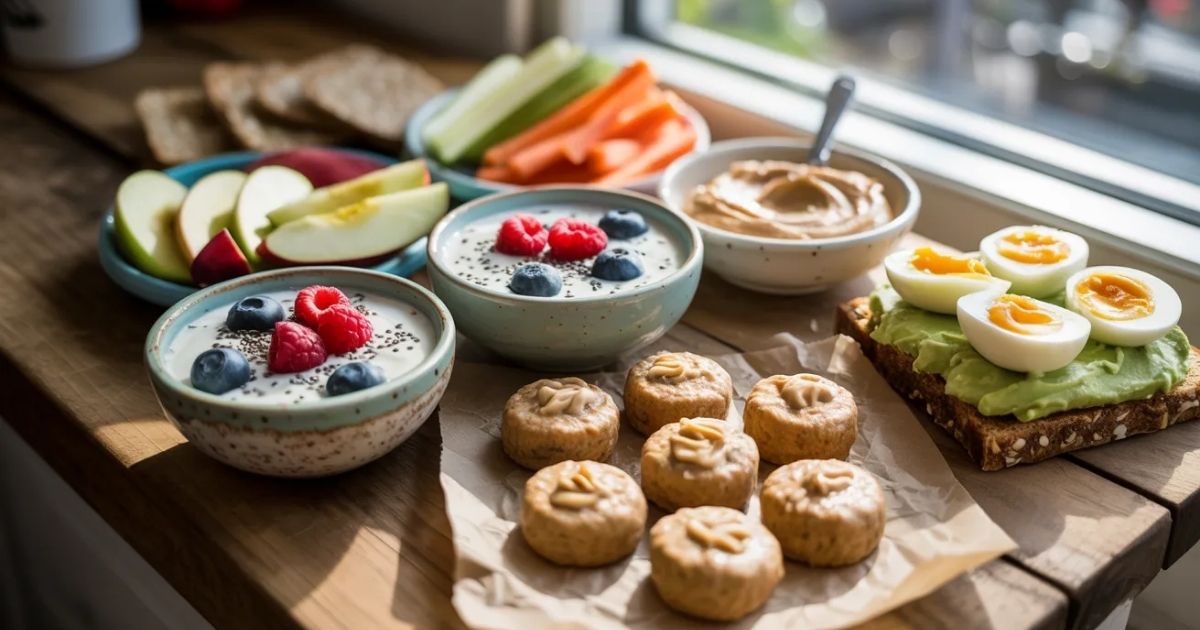
Healthy After-School Snacks keep kids steady and satisfied. Do your kids rush in starving after school? Quick, balanced snacks can calm hunger fast and prevent energy crashes.
By the time children walk through the door, lunch is long gone and mental energy is low. When nothing nourishing is ready, the easiest sugary option usually wins. The solution isn’t complicated recipes or long prep.
It’s simple combinations of protein, fiber, and healthy fats prepared in minutes. This guide shares practical snack ideas that reduce afternoon meltdowns and keep energy steady until dinner.
1. Apple Slices with Peanut Butter
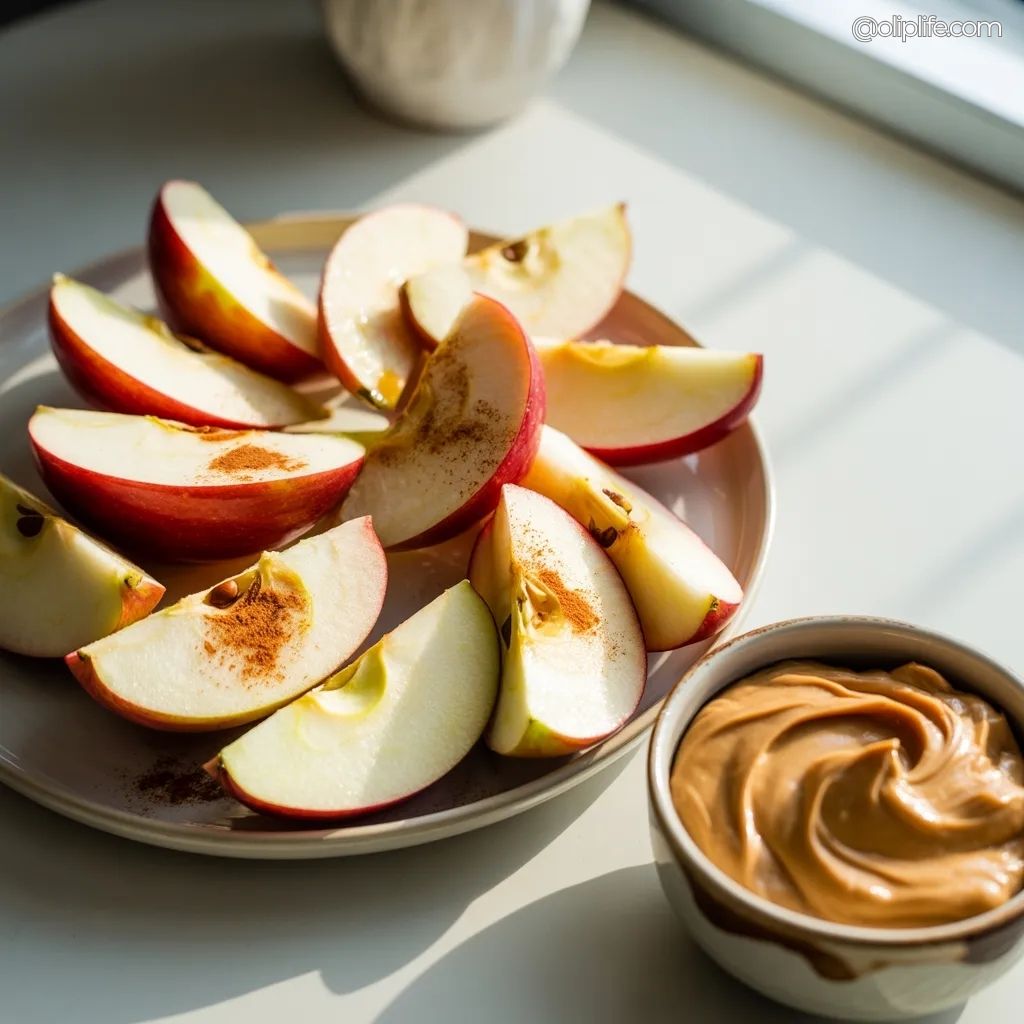
This is one of the simplest balanced snacks you can make. Fresh apple slices are crisp and naturally sweet, while peanut butter adds richness and staying power. It takes less than five minutes and requires no cooking.
Apples provide soluble fiber, which supports digestion and fullness. Peanut butter adds protein and healthy fats, which slow digestion and help maintain steady energy. Pairing carbohydrates with protein can help prevent rapid blood sugar spikes, as noted by Harvard Health Publishing.
If your child has a nut allergy, use sunflower seed butter instead. Also, keep portions moderate since nut butter is calorie-dense.
How to Make It
- Wash and slice one fresh apple.
- Serve with 1–2 tablespoons of natural peanut butter.
- Sprinkle a pinch of cinnamon if desired.
- Serve immediately.
2. Greek Yogurt with Berries and Seeds
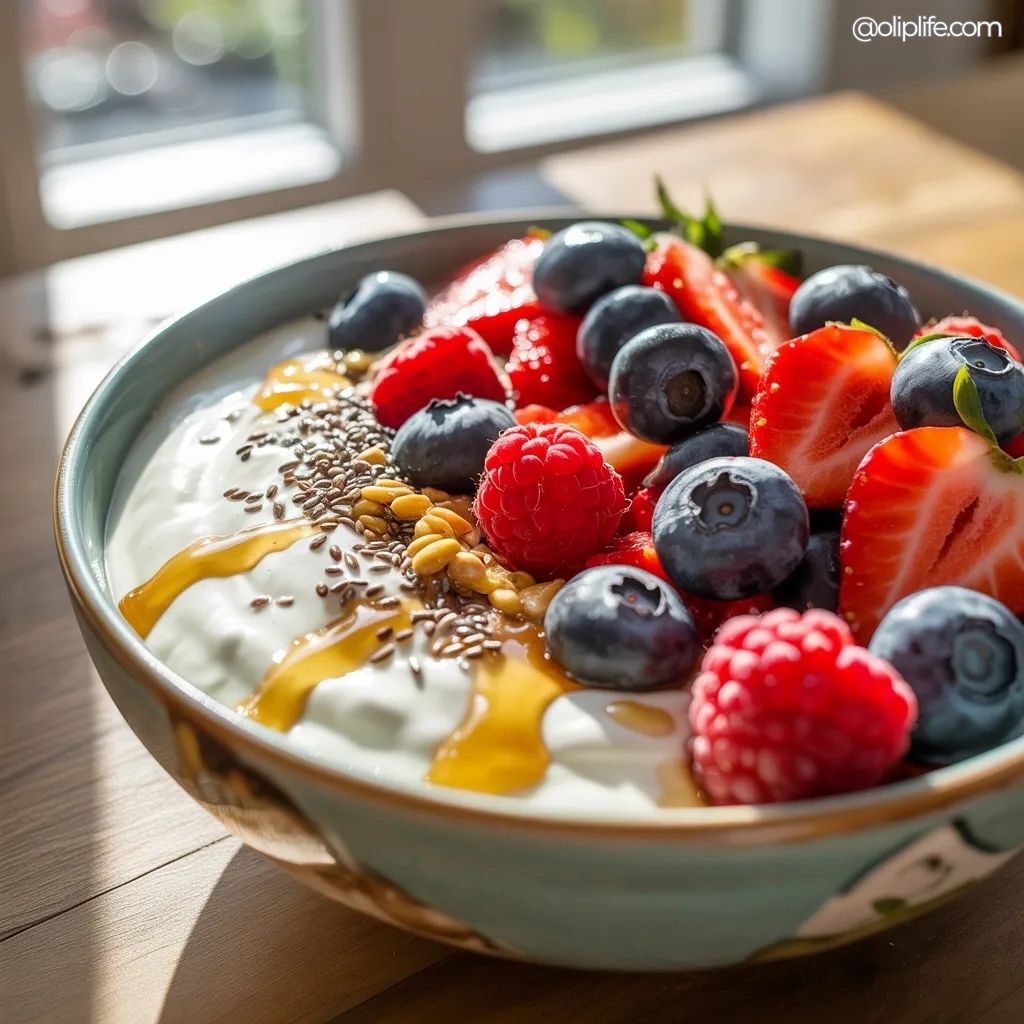
Plain Greek yogurt topped with berries feels like a treat but is nutritionally balanced. Adding chia or ground flax seeds gives texture and extra nourishment.
Greek yogurt provides protein and calcium, which are important during childhood growth. Berries contribute fiber and antioxidants. Seeds add healthy fats. Research in pediatric nutrition supports adequate protein intake for satiety and growth support.
Choose plain yogurt instead of flavored versions to avoid excess added sugar. For younger children, grind seeds finely to reduce choking risk.
How to Make It
- Scoop ½ to 1 cup plain Greek yogurt into a bowl.
- Add a handful of fresh berries.
- Sprinkle 1 teaspoon chia or ground flax seeds.
- Drizzle a small amount of honey if needed.
- Stir gently and serve.
3. Whole-Grain Toast with Avocado and Egg
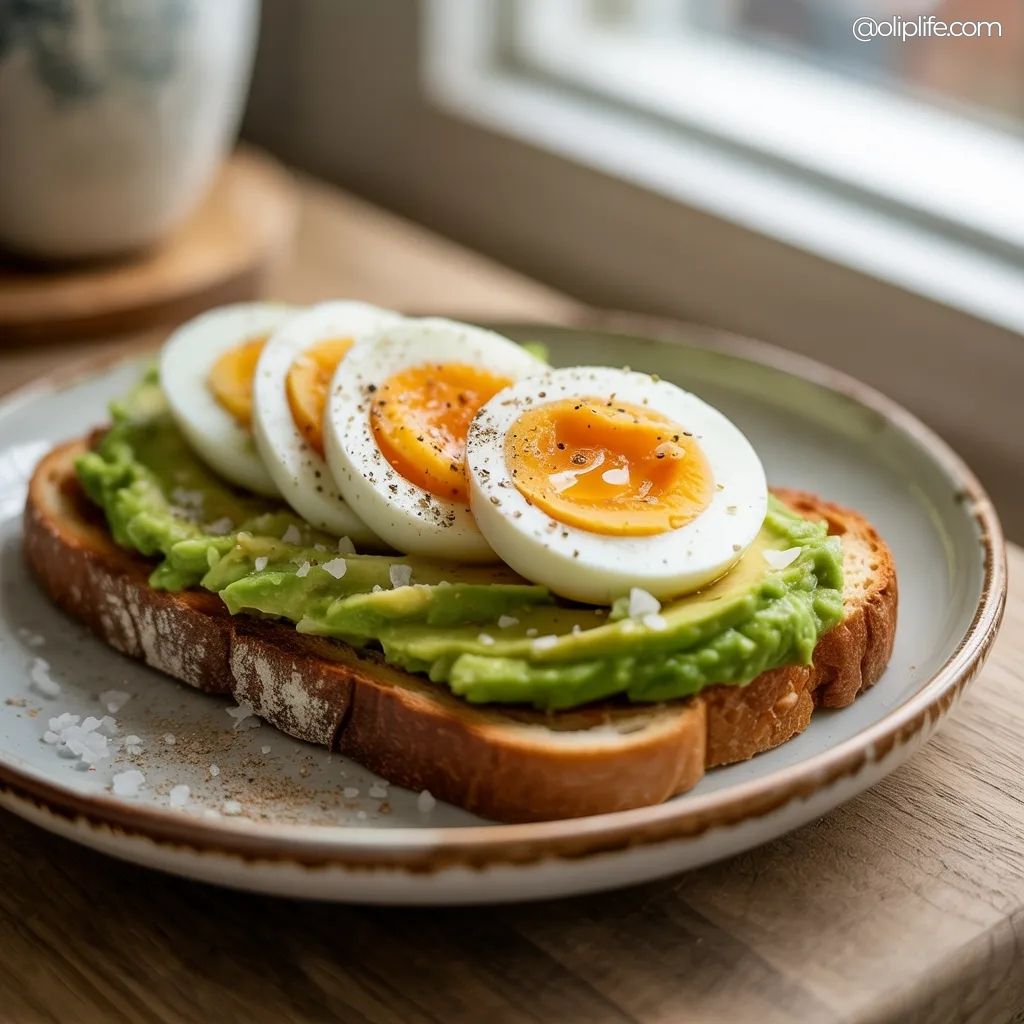
This snack is more filling and works well for older children with bigger appetites. Whole-grain toast provides a sturdy base, creamy avocado adds healthy fats, and sliced egg delivers protein.
Whole grains offer complex carbohydrates that digest more slowly. Avocado contains monounsaturated fats that support heart health. Eggs provide complete protein with all essential amino acids. The American Heart Association encourages including whole grains and healthy fats in balanced meals.
If your child has an egg allergy, skip the egg and use hummus instead. Keep seasoning light to avoid excess sodium.
How to Make It
- Toast one slice of whole-grain bread.
- Mash half an avocado and spread evenly on the toast.
- Slice one hard-boiled egg.
- Layer egg slices on top.
- Sprinkle lightly with salt and pepper.
- Cut into halves or quarters for easier eating.
4. Hummus with Vegetables and Whole-Grain Crackers
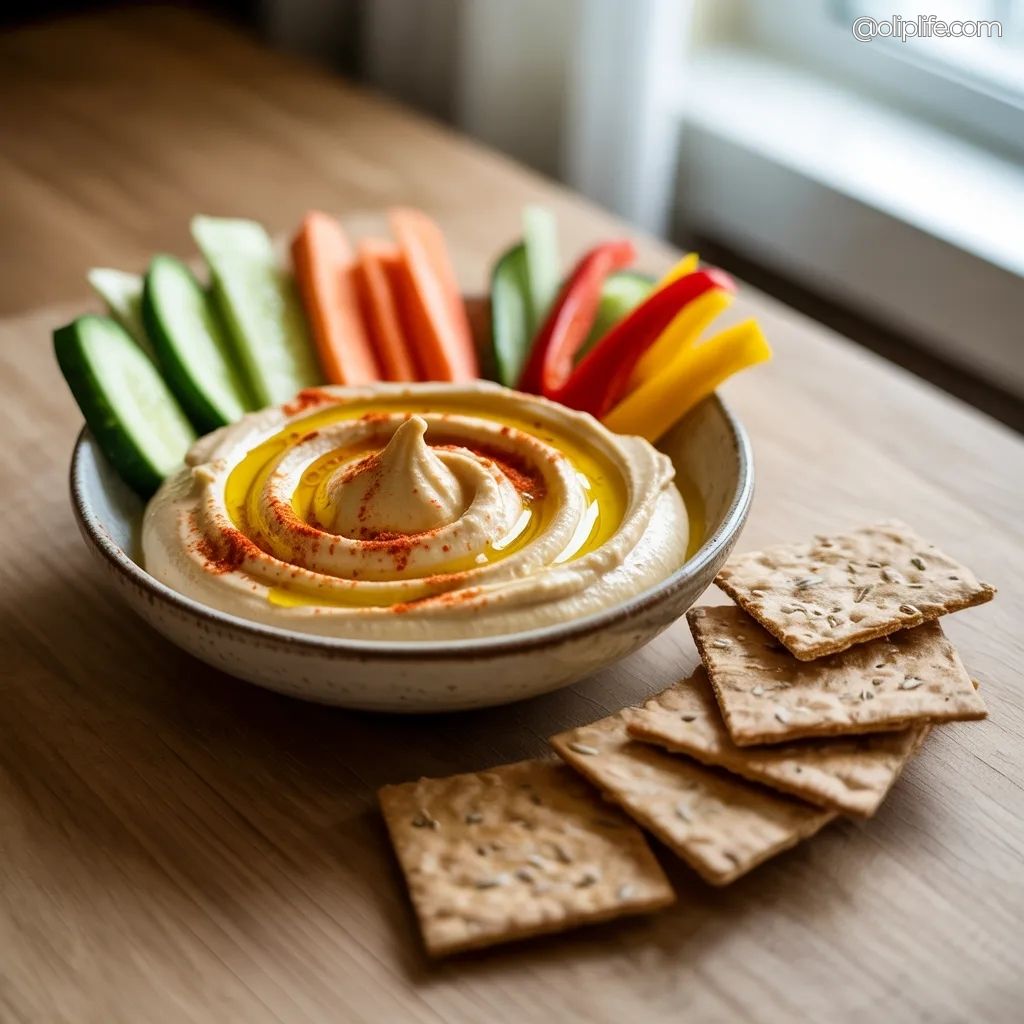
Hummus with sliced vegetables is fresh, crunchy, and satisfying. Pairing it with whole-grain crackers makes it more filling.
Chickpeas in hummus provide plant-based protein and fiber, which support digestion. Vegetables add vitamins and hydration. Whole grains provide steady energy. Legumes have been studied for their role in digestive support due to fiber content.
If using store-bought hummus, check sodium levels. For younger children, cut vegetables into small, safe pieces to prevent choking.
How to Make It
- Place 2–3 tablespoons of hummus in a small bowl.
- Wash and slice carrots, cucumbers, or bell peppers.
- Arrange vegetables on a plate.
- Add a small handful of whole-grain crackers.
- Serve immediately.
5. Banana Oat Energy Bites (No Bake)
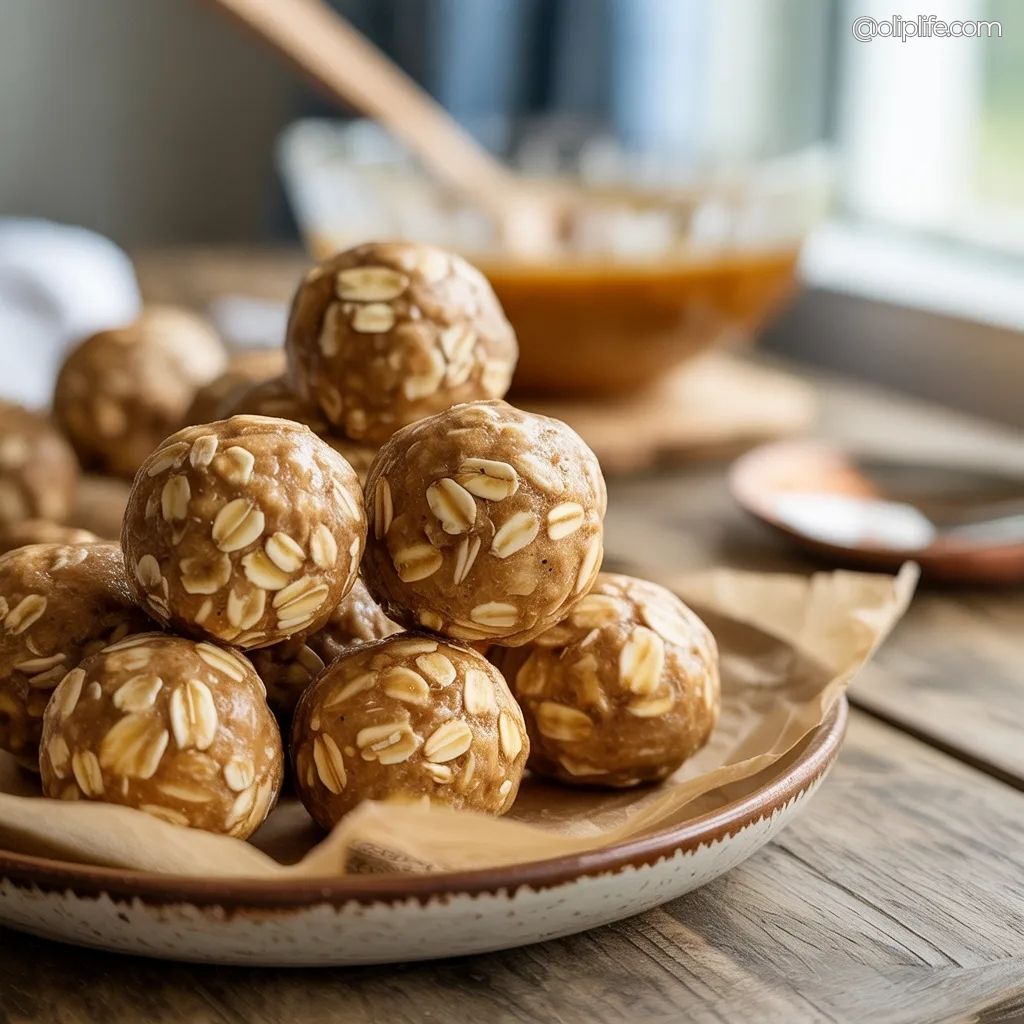
These no-bake bites combine mashed banana, oats, and nut butter into small refrigerated balls. They feel like a treat but are made from whole ingredients.
Bananas provide natural carbohydrates and potassium. Oats contain beta-glucan, a soluble fiber linked to heart health and satiety. When combined with nut butter, the snack includes protein and healthy fats that help prevent energy crashes.
If allergies are a concern, use seed butter instead of nut butter. Keep portion sizes moderate since these bites are dense.
How to Make It
- Mash one ripe banana in a bowl.
- Add 1 cup rolled oats.
- Stir in 1 tablespoon nut or seed butter.
- Mix until evenly combined.
- Roll into small bite-sized balls.
- Refrigerate for at least 20 minutes before serving.
- Store leftovers in the refrigerator.
How to Build Balanced After-School Snacks
The easiest way to create balanced after-school snacks is to combine a fiber-rich carbohydrate with a protein source.
When fruit or whole grains are paired with yogurt, eggs, legumes, or nut butter, digestion slows and energy remains steadier.
Adding a small amount of healthy fat can further support fullness. This balanced approach helps prevent extreme hunger before dinner while supporting growing bodies.
When something nourishing is prepared within minutes, afternoons feel calmer. Hunger does not turn into irritability. Dinner begins with steady energy instead of exhaustion.
Start with one option tomorrow. Keep it simple. Consistency matters more than perfection.