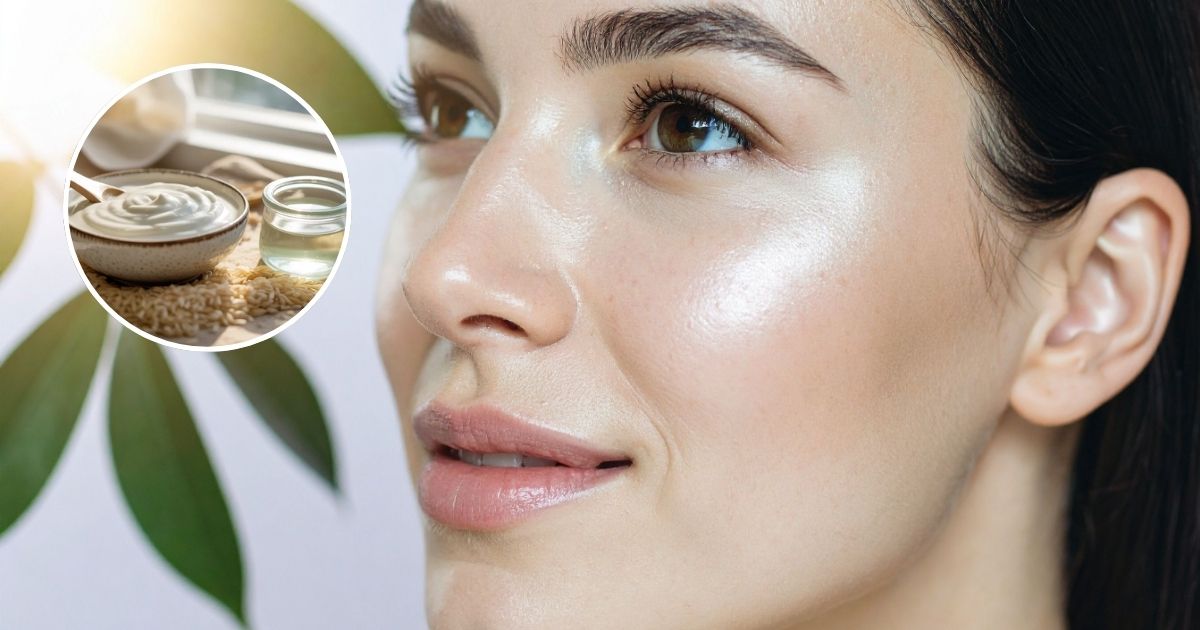
DIY Rice Face Mask recipes are simple and gentle. Looking for smoother, brighter-looking skin without harsh products? Rice-based masks can support a soft, refreshed glow at home.
Many traditional beauty routines use rice in skincare. It isn’t magic, and it won’t erase wrinkles overnight. However, rice contains natural compounds that can gently support smoother texture and a more even appearance when used consistently and safely.
Below are practical, realistic recipes that are easy to make and simple to use.
Why Rice Is Used in Skincare
Rice has been used for centuries in East Asian beauty practices. Rice water and rice flour contain:
- Amino acids
- Vitamin B compounds
- Ferulic acid
- Antioxidants
Research published in the International Journal of Cosmetic Science has shown that compounds in rice bran may support skin barrier function and help protect against environmental stressors.
Additionally, starch from rice can temporarily soften and smooth the surface of the skin. Importantly, these effects are supportive and cosmetic, not medical treatments.
1. Rice Flour and Milk Mask for Softer Texture
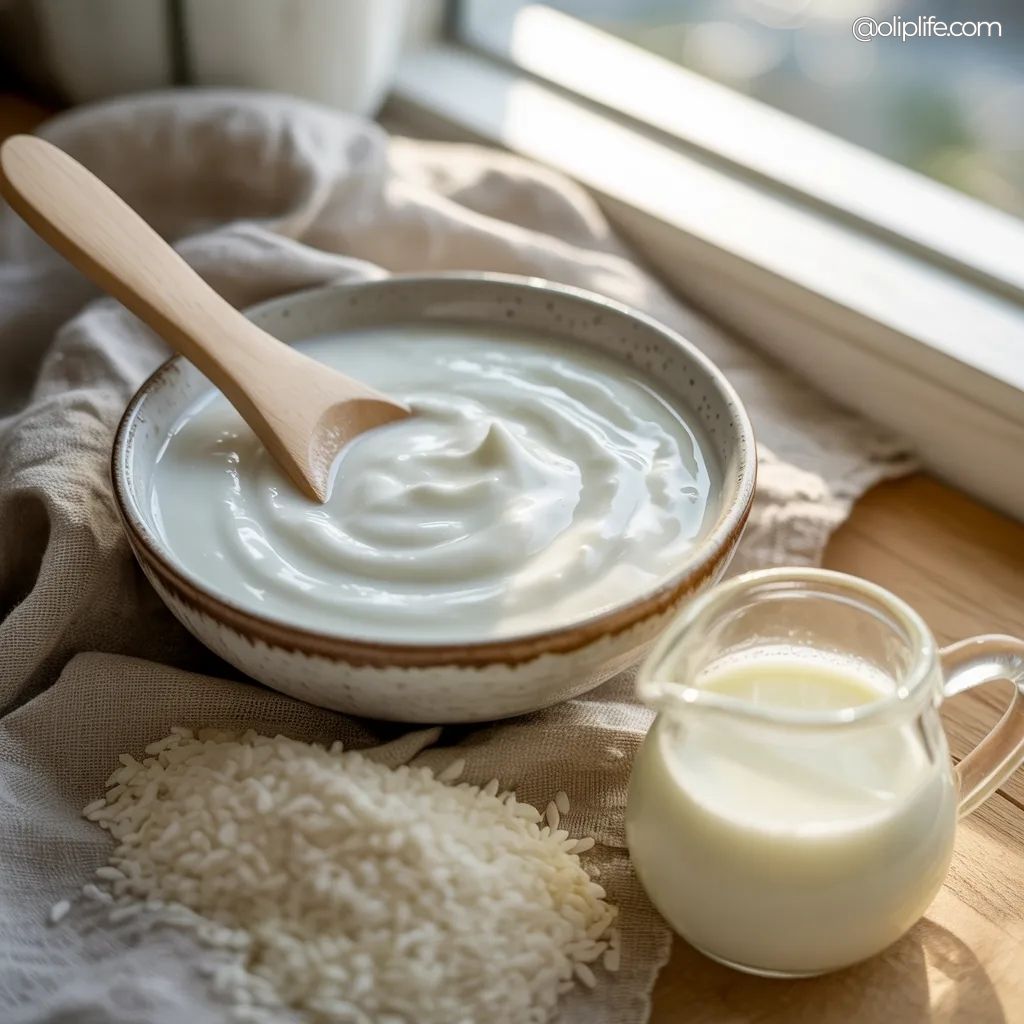
This mask creates a creamy paste that feels cooling and gentle on the skin. Milk contains lactic acid, a mild alpha-hydroxy acid that can support gentle exfoliation.
When combined with finely ground rice flour, the mask can help remove surface buildup and temporarily improve smoothness. The result is skin that feels softer and looks more refreshed.
However, people with sensitive skin or lactose intolerance reactions on the skin should patch-test first. Lactic acid, even in small amounts, may cause irritation in reactive skin types.
How to Make and Use It
- Grind uncooked rice into a fine powder if needed.
- Mix 1 tablespoon rice flour with 1–2 tablespoons milk.
- Stir until a smooth paste forms.
- Apply evenly to clean skin.
- Leave on for 10–15 minutes.
- Rinse gently with lukewarm water.
- Pat dry and apply moisturizer.
Use no more than 1–2 times per week to avoid over-exfoliation.
2. Rice Water and Aloe Mask for Calm, Refreshed Skin
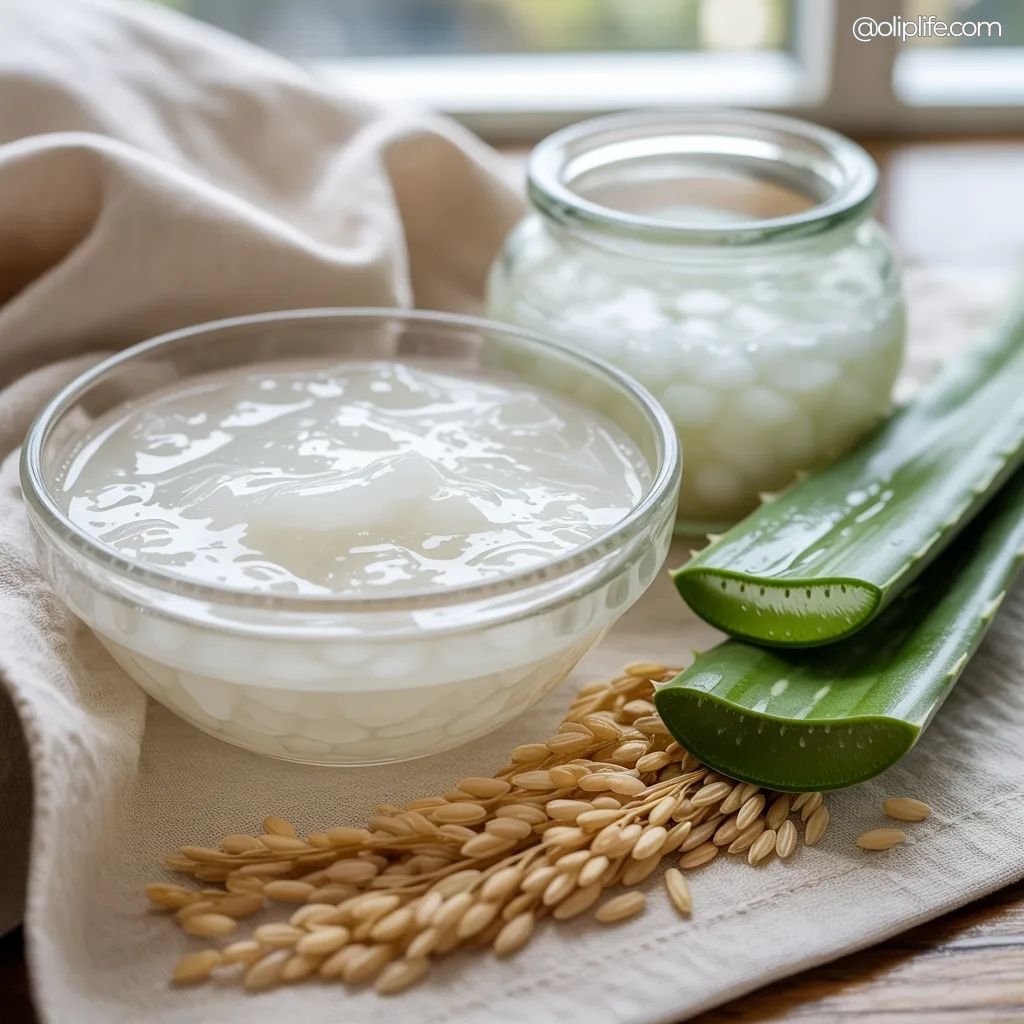
This mask focuses on hydration and soothing. Rice water contains starch and trace antioxidants.
Aloe vera is widely recognized for its soothing properties and has been studied for supporting skin hydration and barrier repair. Together, they create a lightweight mask that leaves skin feeling calm and lightly refreshed.
Those with aloe allergies or very sensitive skin should test on a small area first. Fermented rice water may also irritate some skin types, so fresh preparation is recommended.
How to Make and Use It
- Rinse ½ cup uncooked rice thoroughly.
- Soak in 1 cup water for 30 minutes.
- Strain and collect the rice water.
- Mix 2 tablespoons rice water with 1 tablespoon fresh aloe gel.
- Apply to clean skin using fingers or a brush.
- Leave on for 15 minutes.
- Rinse gently and moisturize.
Store rice water in the refrigerator and use within 24 hours.
3. Rice Flour and Honey Mask for Gentle Glow
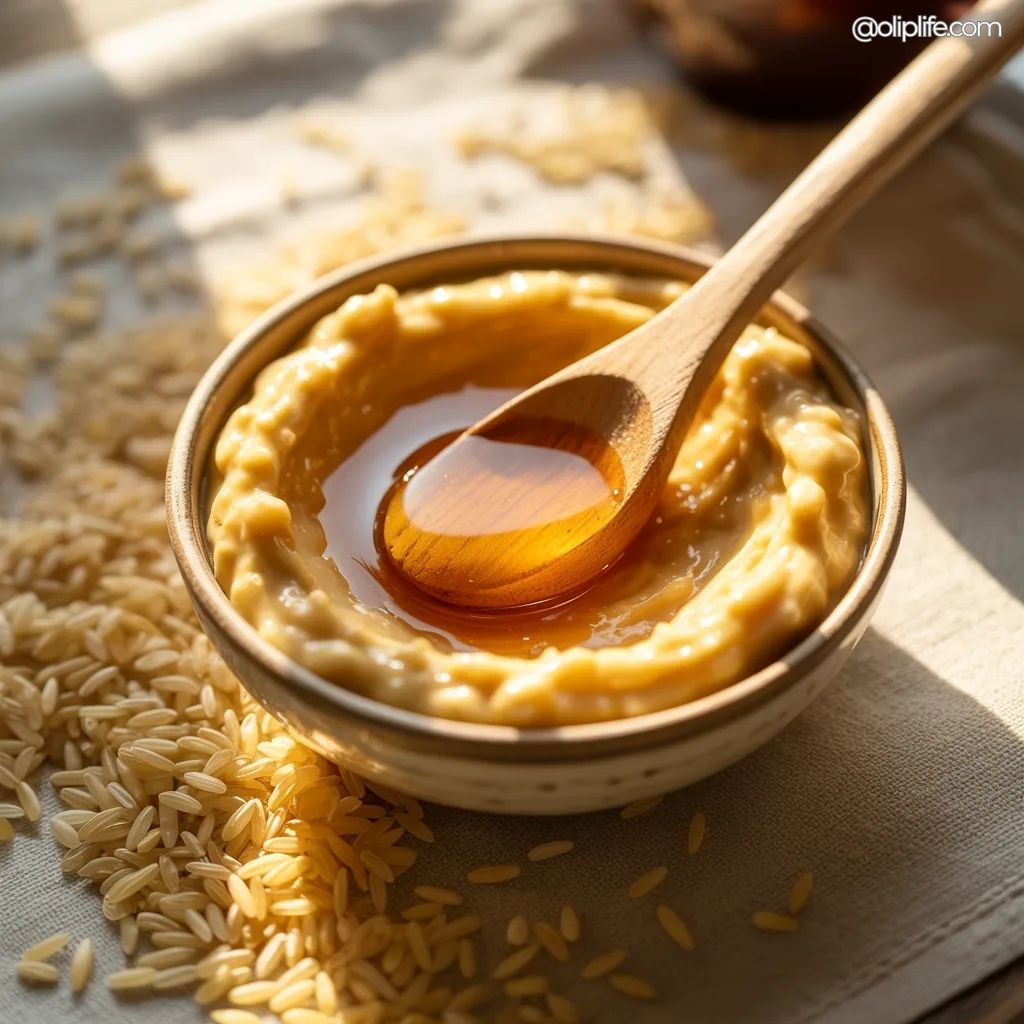
This recipe combines mild exfoliation with moisture. Honey has natural humectant properties, meaning it helps draw moisture to the skin. Rice flour provides a very mild physical exfoliation when rinsed off gently.
This combination can temporarily brighten dull-looking skin by removing surface dryness and increasing hydration.
However, avoid vigorous scrubbing when rinsing. Physical exfoliation can damage the skin barrier if done aggressively. Those with acne-prone or inflamed skin should use light pressure only.
How to Make and Use It
- Mix 1 tablespoon rice flour with 1 tablespoon raw honey.
- Add a few drops of water if needed for spreadability.
- Apply a thin layer to clean skin.
- Leave on for 10–15 minutes.
- Rinse with lukewarm water using gentle circular motions.
- Follow with a hydrating moisturizer.
Limit use to once per week for sensitive skin.
4. Rice and Yogurt Mask for Smoother Appearance
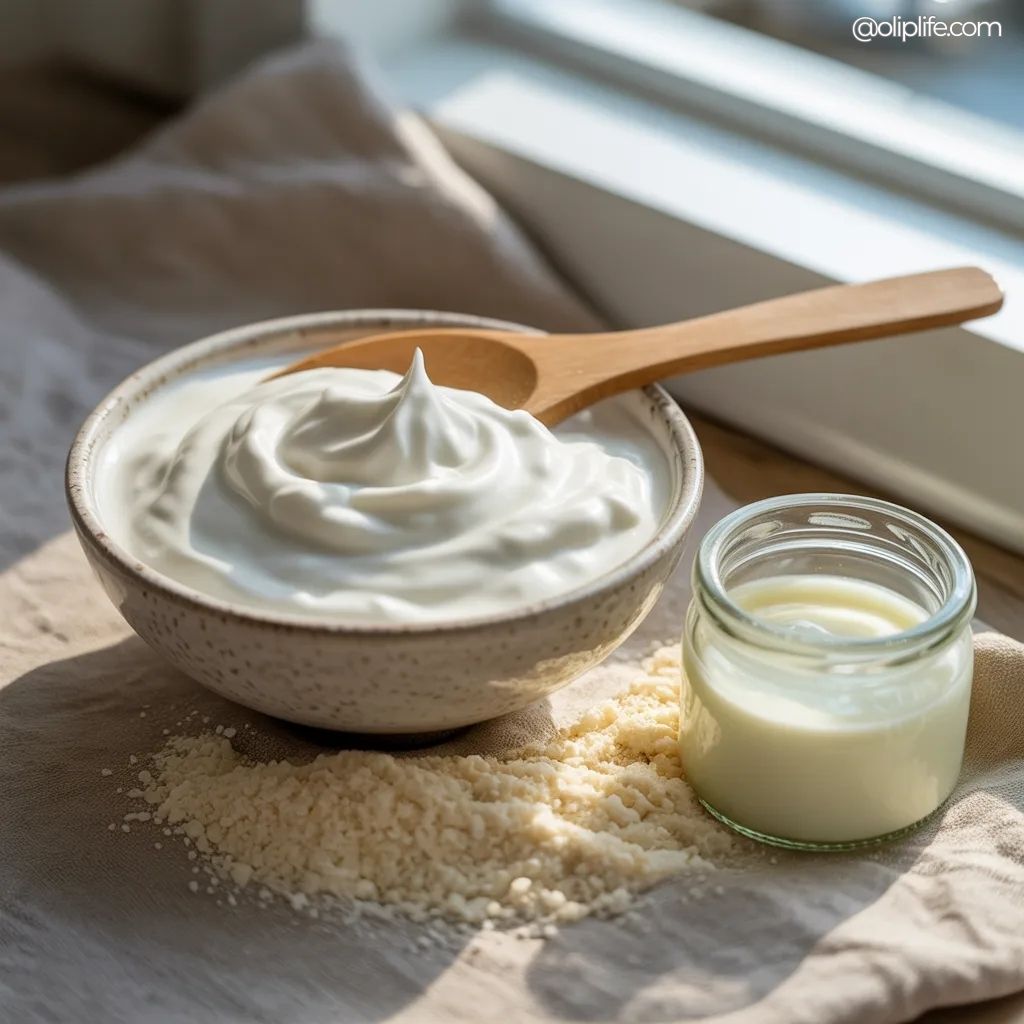
This version combines rice flour with plain yogurt. Yogurt contains natural lactic acid and probiotics.
While topical probiotics are still being researched, lactic acid has been studied for supporting mild exfoliation and skin smoothness. When used carefully, this combination can temporarily improve the appearance of uneven texture.
People with rosacea or highly reactive skin should avoid acid-based ingredients without dermatologist guidance. Always patch-test before full application.
How to Make and Use It
- Mix 1 tablespoon rice flour with 1 tablespoon plain yogurt.
- Stir until smooth.
- Apply to clean, dry skin.
- Leave on for 10 minutes.
- Rinse gently.
- Apply a fragrance-free moisturizer afterward.
Do not use more than once weekly if you are new to exfoliating masks.
How Rice Masks Support Smoother, Brighter-Looking Skin
Rice-based masks may support skin in three practical ways:
First, rice starch can create a temporary smoothing effect on the surface of the skin. This can make fine lines appear softer for a short period.
Second, mild exfoliation from rice flour or lactic acid ingredients helps remove surface dead skin cells. This can improve how light reflects off the skin, making it appear brighter.
Third, ingredients like honey, aloe, and yogurt contribute hydration. Well-hydrated skin often appears more even and refreshed.
However, these results are cosmetic and temporary. Consistent skincare habits matter more than occasional masks.
Important Safety Considerations
While rice masks are generally gentle, a few precautions matter:
- Always perform a patch test 24 hours before first use.
- Avoid using on broken or irritated skin.
- Do not combine with strong exfoliating acids on the same day.
- Limit use to once or twice weekly.
- Stop immediately if redness, burning, or itching occurs.
Additionally, no DIY mask can permanently remove wrinkles or change natural skin tone. Skin appearance is influenced by genetics, sun exposure, hydration, and overall skincare habits.
Final Thoughts
DIY Rice Face Mask recipes can be a gentle, affordable way to support smoother, brighter-looking skin at home. They are simple, grounded in traditional practices, and easy to prepare.
If you’re looking for subtle refreshment rather than dramatic transformation, these recipes can be a safe addition to a balanced skincare routine.