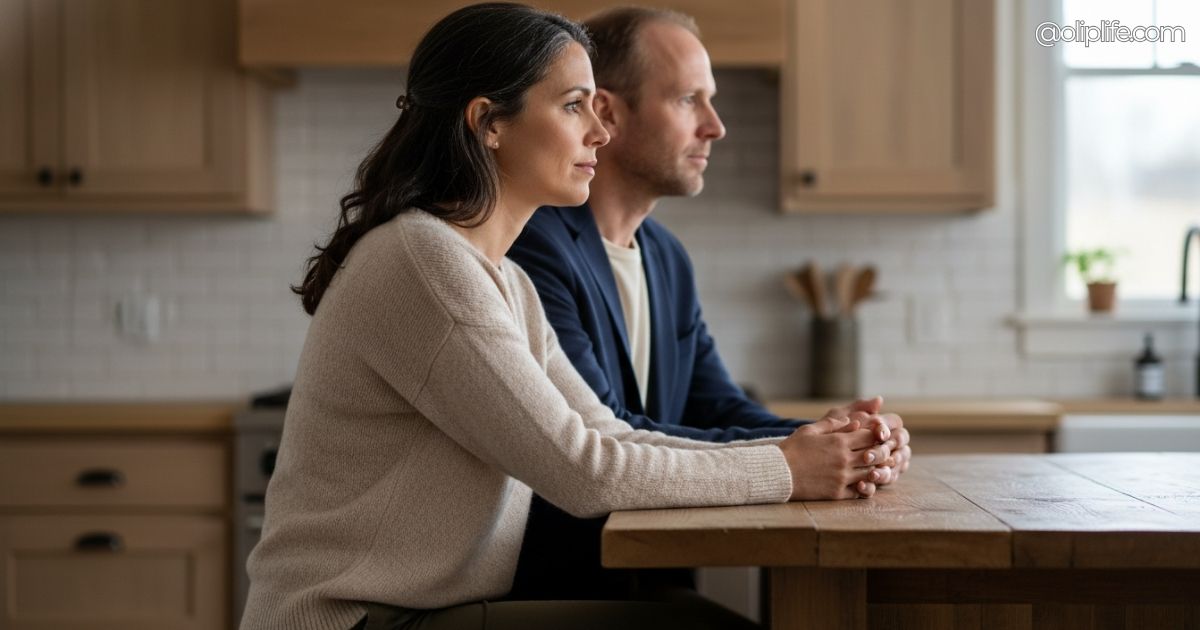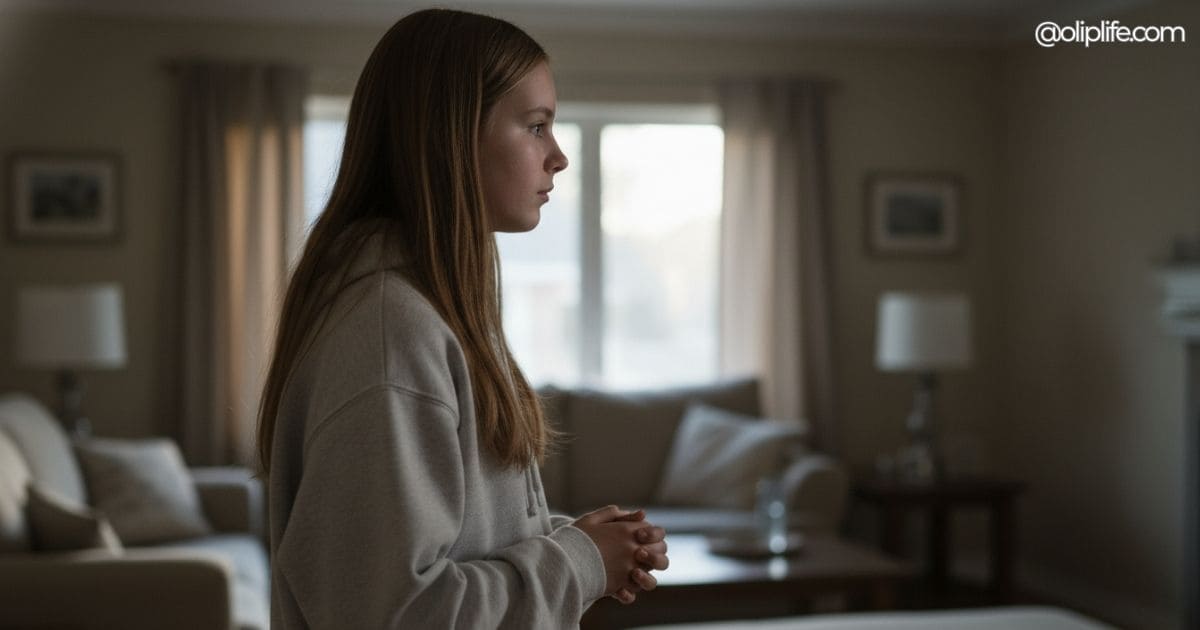
Calm used to mean the same thing to me every time.
A quiet room. Voices lowered. Bodies still. No interruptions, no questions, no emotional spillover that might tip the balance of the day. When things were calm, I felt competent. When they weren’t, I felt like something had gone wrong, either in the moment or much earlier, when I should have anticipated the problem and headed it off.
For a long time, I assumed calm was a shared destination, something we were all meant to arrive at together if we followed the right steps in the right order. I didn’t realize how narrow that definition was until parenting made it impossible to ignore the differences unfolding right in front of me.
What we eventually learned, often through tension rather than insight, was that calm is not a single state. It is not a volume level or a posture or a personality trait. Calm is an internal experience, and in our family, it shows up in very different forms.
When My Version of Calm Became the Standard
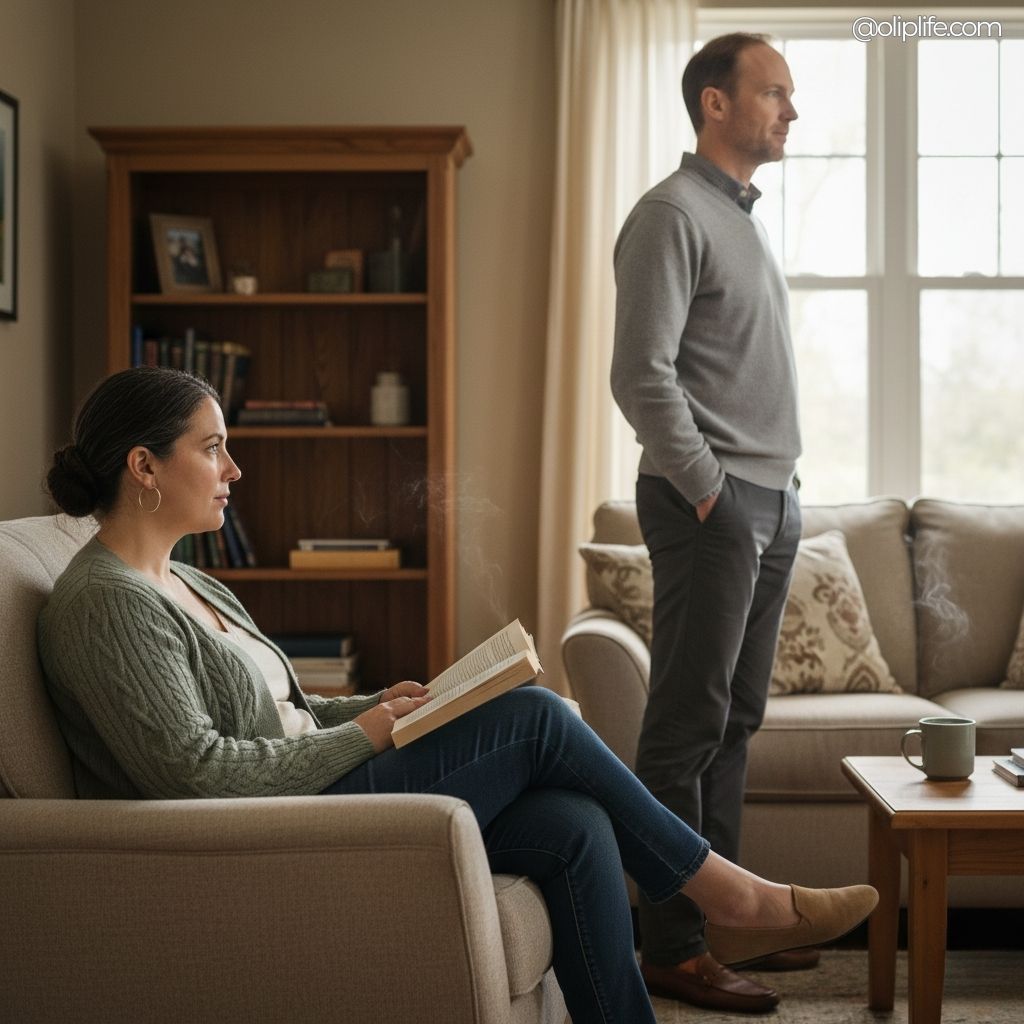
Early on, without meaning to, I treated my version of calm as the goal.
If I felt regulated, I assumed the environment was regulated. If I needed quiet to reset, I expected everyone else to benefit from it too. When things felt chaotic, my instinct was to reduce stimulation, slow everything down, and bring the energy in the room closer to my own.
That approach worked beautifully for one child.
For another, it created friction almost immediately.
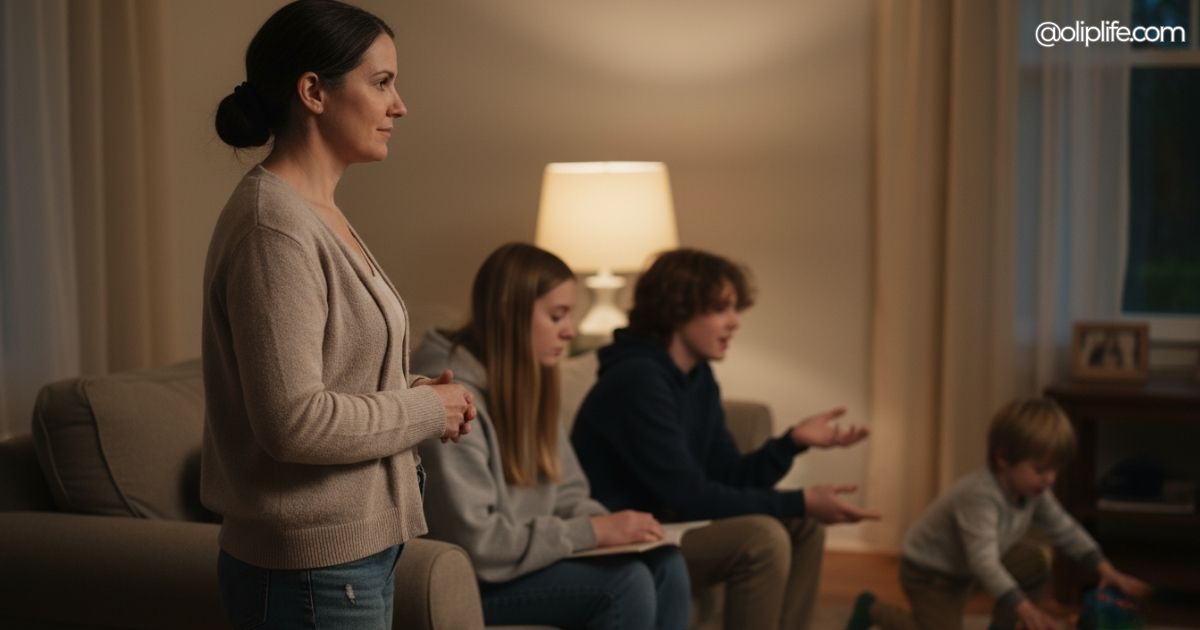
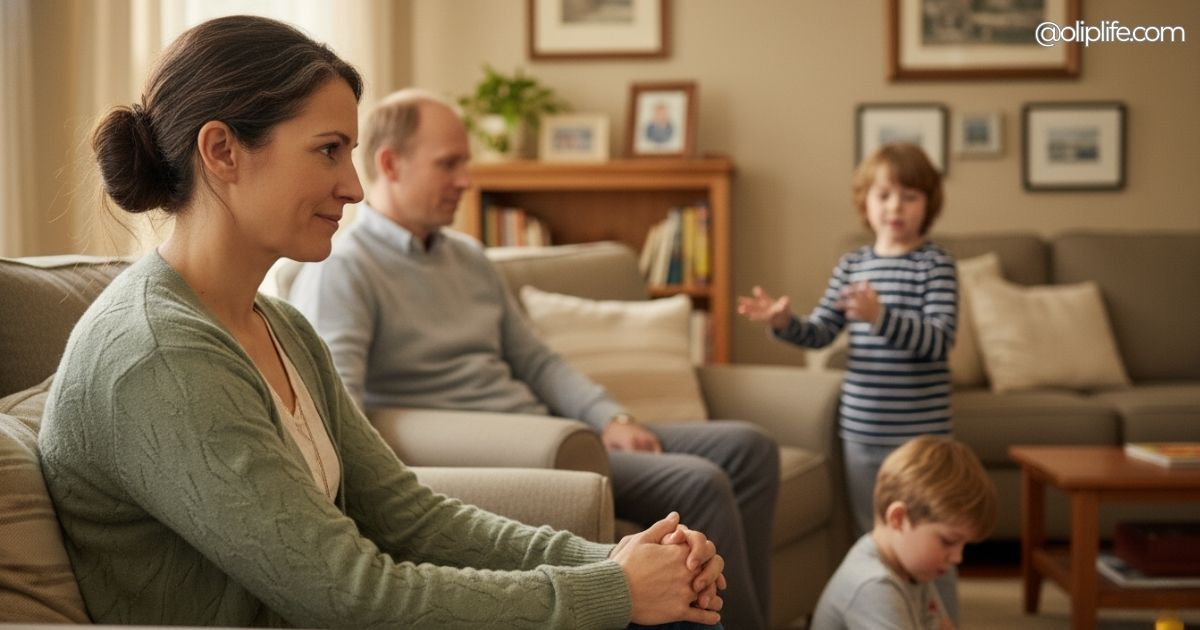
One of my children settled when the house quieted. Their shoulders dropped. Their voice softened. They found their way back to themselves through stillness. Another child became restless in that same environment, pacing, tapping, asking questions that felt endless when I was already depleted. Their calm didn’t come from less input. It came from movement, from engagement, from being allowed to externalize what they were holding.
At first, I interpreted this difference as resistance.
I was wrong.
The Calm That Didn’t Look Calm to Me
The biggest shift came when I realized that what looked like dysregulation to me was sometimes regulation in progress for them.
One child calmed by talking things through out loud, circling the same story again and again until it lost its emotional charge. Another calmed by retreating, needing space and silence before words felt safe again. Another found calm through activity, building, pacing, rearranging, anything that let their body process what their mind couldn’t yet organize.
I had been interrupting those processes without realizing it.
When I asked for quiet, I was cutting off verbal processing.
When I insisted on stillness, I was blocking physical regulation.
When I pushed conversation, I was overwhelming a child who needed space.
I thought I was guiding them toward calm.
In reality, I was often pulling them away from it.
How Conflict Made the Differences Impossible to Ignore
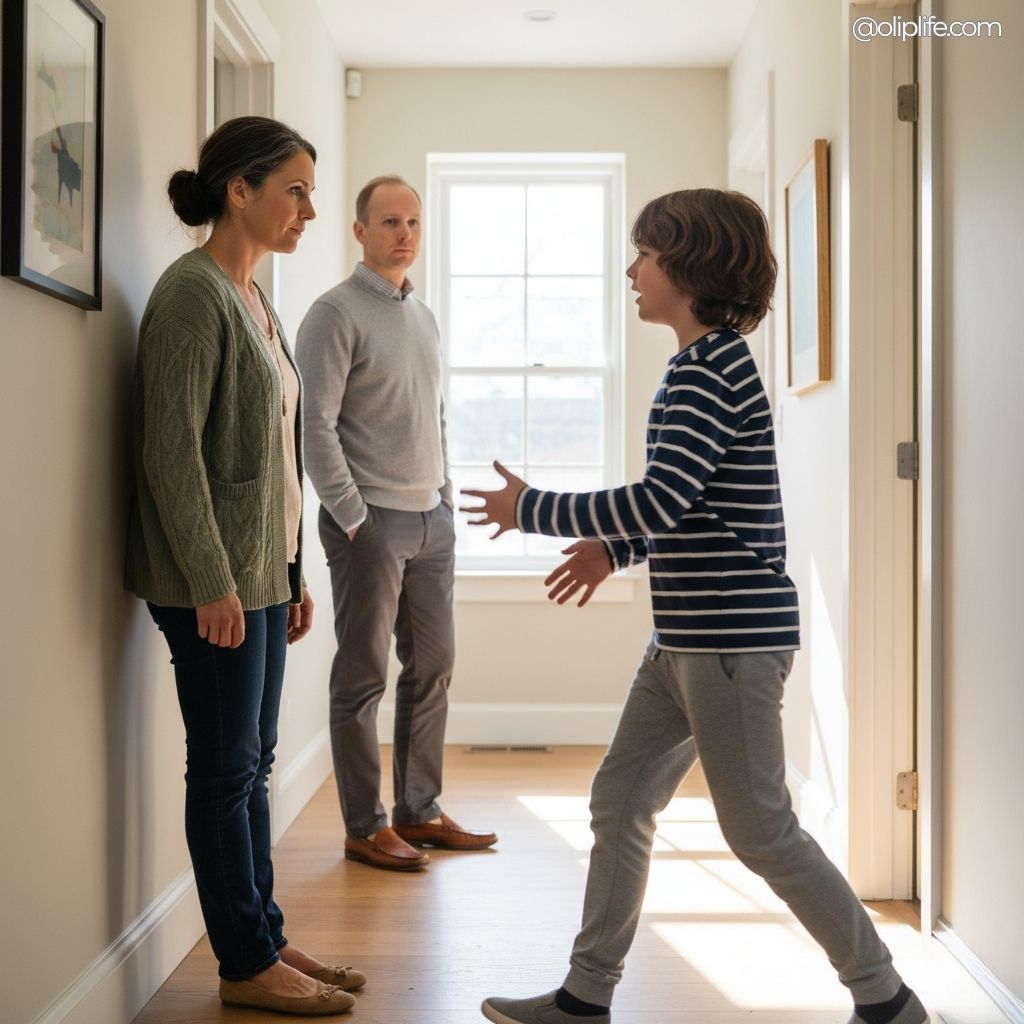
Conflict exposed the problem more clearly than peaceful moments ever could.
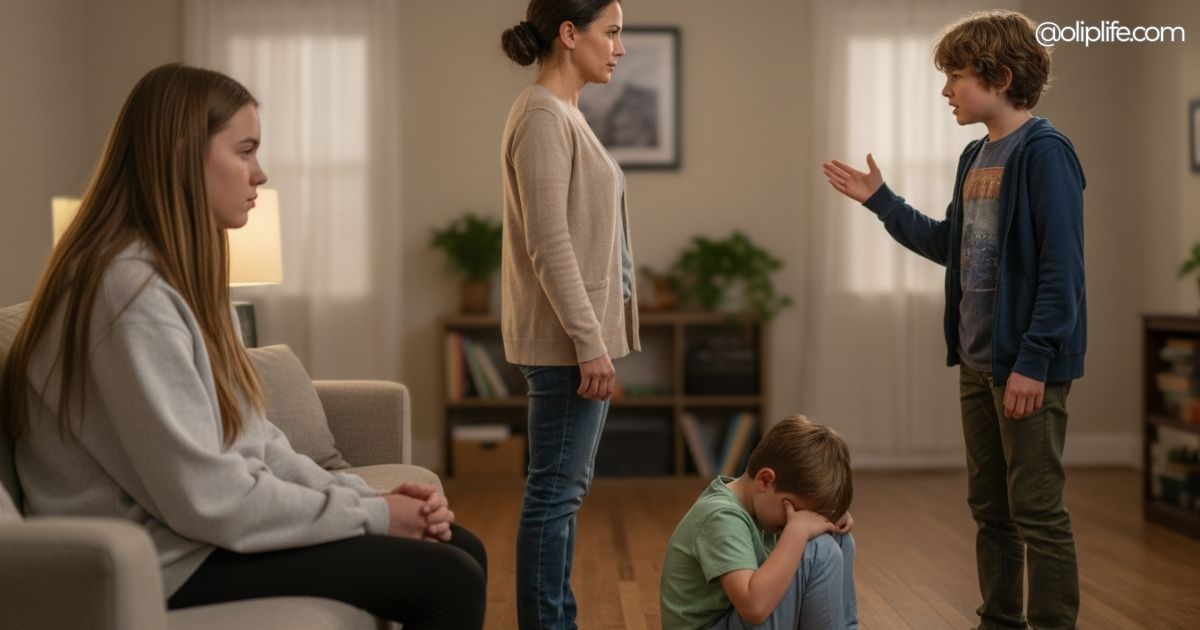
After arguments or stressful days, I noticed how differently each child tried to recover. One wanted closeness and reassurance immediately. Another avoided eye contact and withdrew. Another bounced back quickly but needed sensory input to settle fully.
My attempts to apply the same calming strategy to everyone led to predictable outcomes. One child settled. Another escalated. A third shut down.
That pattern forced me to confront an uncomfortable truth.
Calm is not transferable.
What soothes one nervous system can agitate another.
The Mistake of Confusing Behavior With Regulation
One of the most important things we learned as a family was to stop equating calm behavior with internal calm.
A quiet child is not always a regulated child.
A compliant child is not always a settled child.
A loud child is not always an unregulated child.
Some of the most regulated moments in our home look messy on the surface. There is movement, noise, and visible emotion. Some of the most dysregulated moments look deceptively peaceful, marked by withdrawal or over-control.
Once I saw this, I stopped asking whether things looked calm and started paying attention to whether people felt safe enough to be themselves.
That changed everything.
Learning to Stop Policing Calm
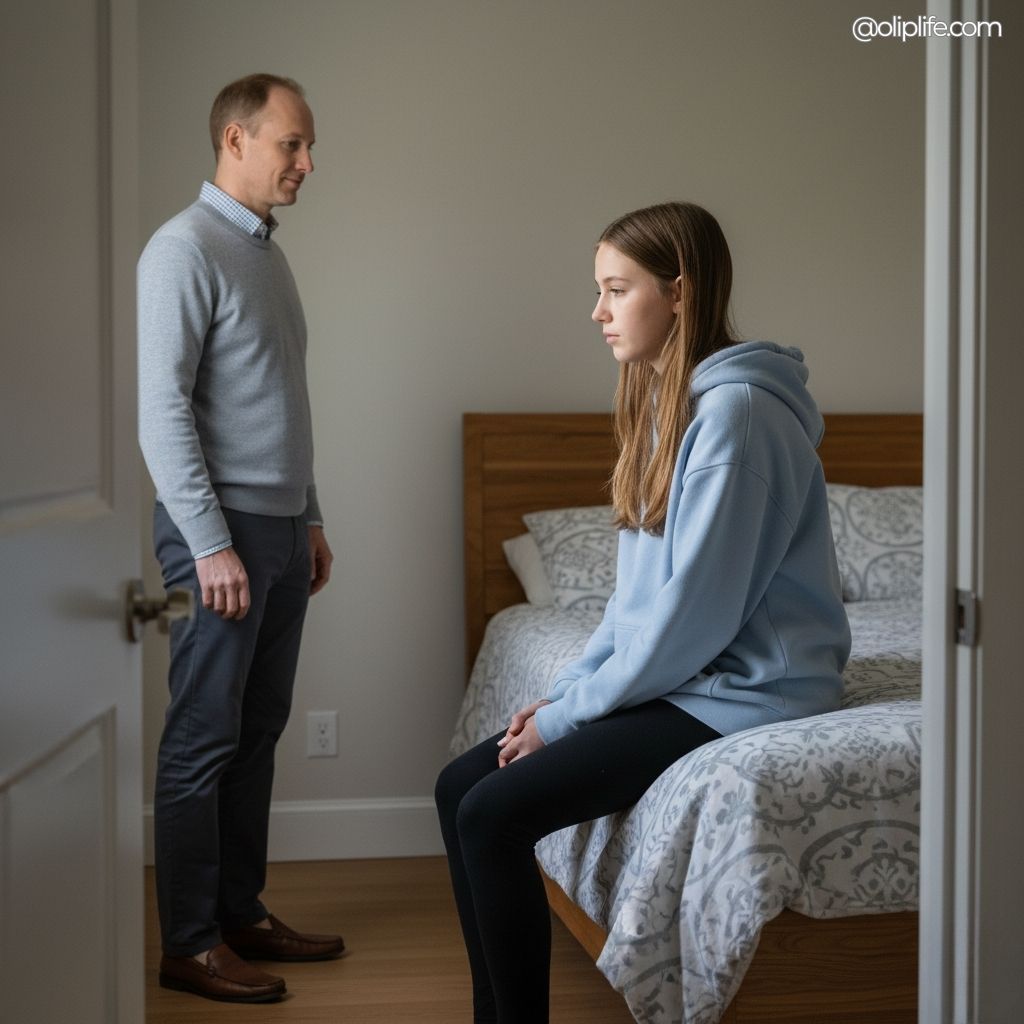
The hardest part of this shift was letting go of my need for the room to feel calm to me.
I had to recognize when my discomfort with noise or movement was about my own regulation rather than anyone else’s behavior. I had to learn how to support my own nervous system without demanding that everyone else match it.
Sometimes that meant stepping away instead of stepping in. Sometimes it meant wearing headphones instead of insisting on silence. Sometimes it meant allowing a child to pace, talk, or fidget without interpreting it as defiance or escalation.
Calm became less about control and more about accommodation.
How Our Kids Began to Understand Their Own Calm
As we adjusted, something subtle but important happened.
Our children began to recognize their own patterns.
They started naming what helped them reset instead of waiting for direction. One would ask for space. Another would ask to talk it out. Another would grab something to build or move.
Those requests weren’t always convenient.
They were incredibly valuable.
They meant our kids were learning self-awareness instead of suppression, regulation instead of compliance.
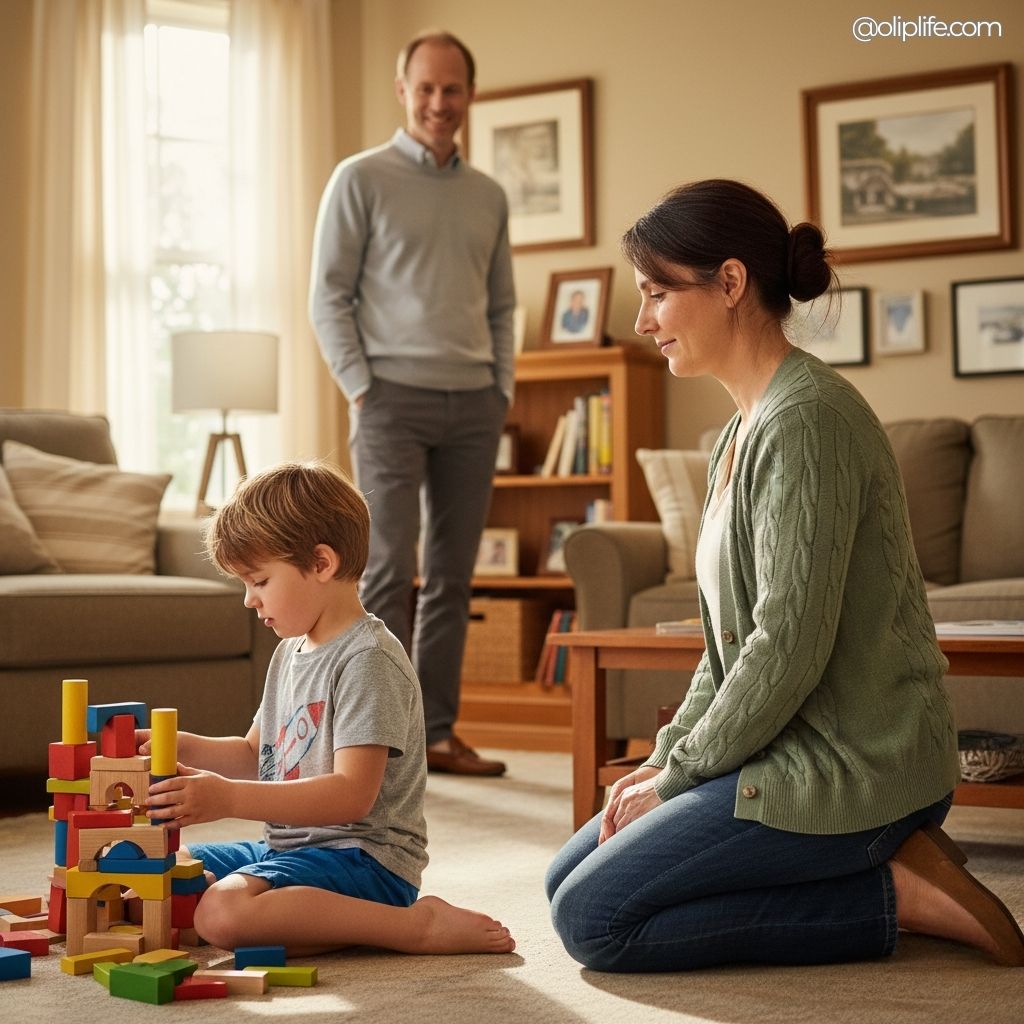
What This Changed About Our Family Dynamic
Once calm stopped being a single standard, our home felt more flexible.
We stopped escalating situations unnecessarily. We stopped assuming that one person’s coping strategy was the right one for everyone. We became more curious instead of corrective.
Conflicts didn’t disappear.
But recovery became smoother.
Instead of forcing everyone into the same emotional lane, we allowed parallel regulation to happen. One person could need quiet while another needed movement. One could want closeness while another needed distance.
That coexistence took practice.
It also built respect.
The Role of Parents in a Multi-Calm Household
As parents, our role shifted from enforcing calm to facilitating it.
That meant observing before intervening. It meant asking questions instead of issuing directives. It meant trusting that our children were not trying to disrupt the household, but trying to settle themselves within it.
It also meant modeling self-regulation honestly.
When I said, “I need quiet right now,” instead of “Everyone needs to calm down,” I was taking responsibility for my own needs without projecting them onto others.
That distinction mattered more than I expected.
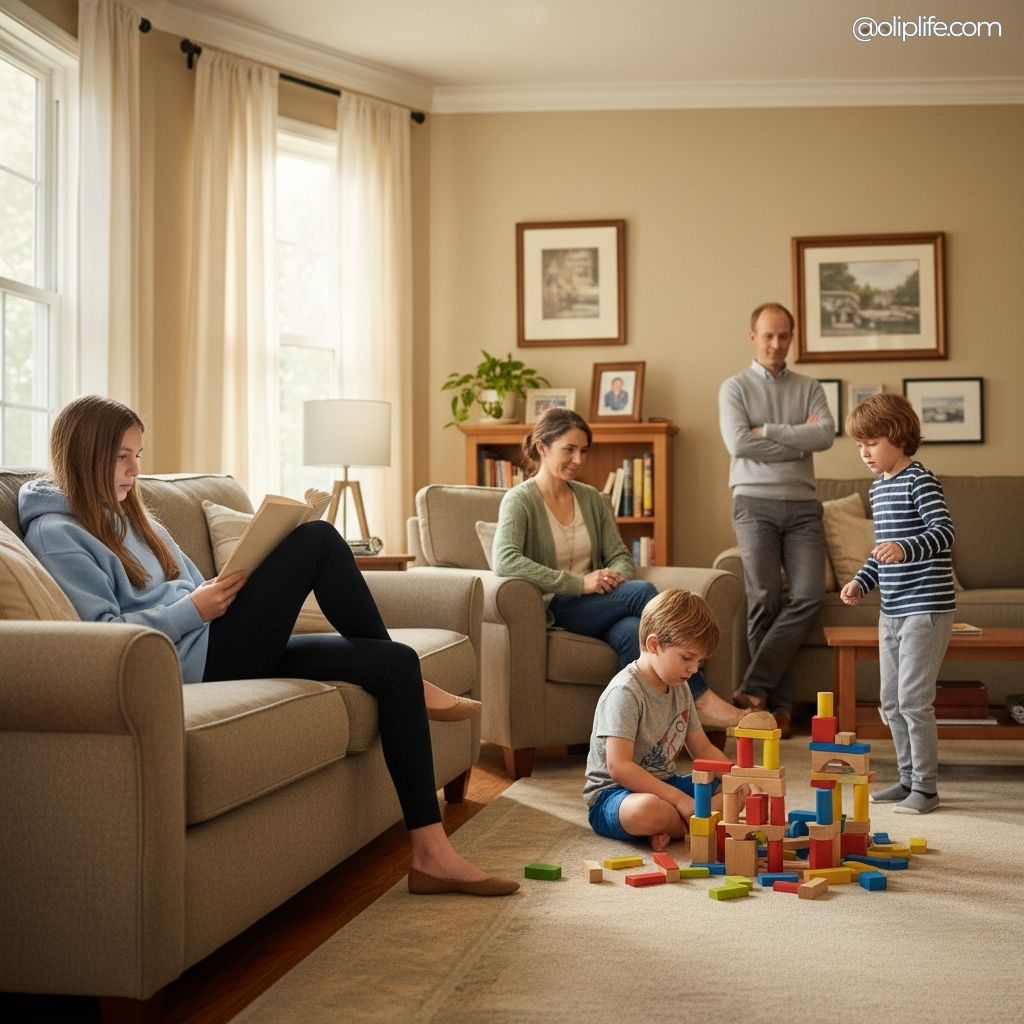
What Calm Looks Like Now
Calm in our house is no longer uniform.
Sometimes it’s quiet reading in separate rooms. Sometimes it’s conversation unfolding slowly at the kitchen counter. Sometimes it’s movement, noise, and creativity that would have once made me tense.
Calm looks like people having access to what they need to reset, even when those needs differ.
It looks like flexibility rather than rigidity.
It looks like trust.
What I Know Now
Calm is not something parents impose.
It’s something families learn to support.
When we stopped treating calm as a single destination and started treating it as an individual experience, our home became less tense, not more. Our kids felt less managed and more understood. And I felt less responsible for controlling every emotional shift in the room.
Final Thoughts
How our family learned that calm looks different for everyone was not a lesson we set out to learn.
It emerged slowly, through frustration, missteps, and the willingness to question assumptions we didn’t realize we were holding. Calm is not quiet. It is not stillness. It is not sameness.
Calm is alignment between what someone feels and what they’re allowed to express.
When families make room for that truth, they don’t just reduce conflict.
They create a home where everyone has permission to settle in their own way, and that kind of calm, though less tidy on the surface, is far more sustainable underneath.