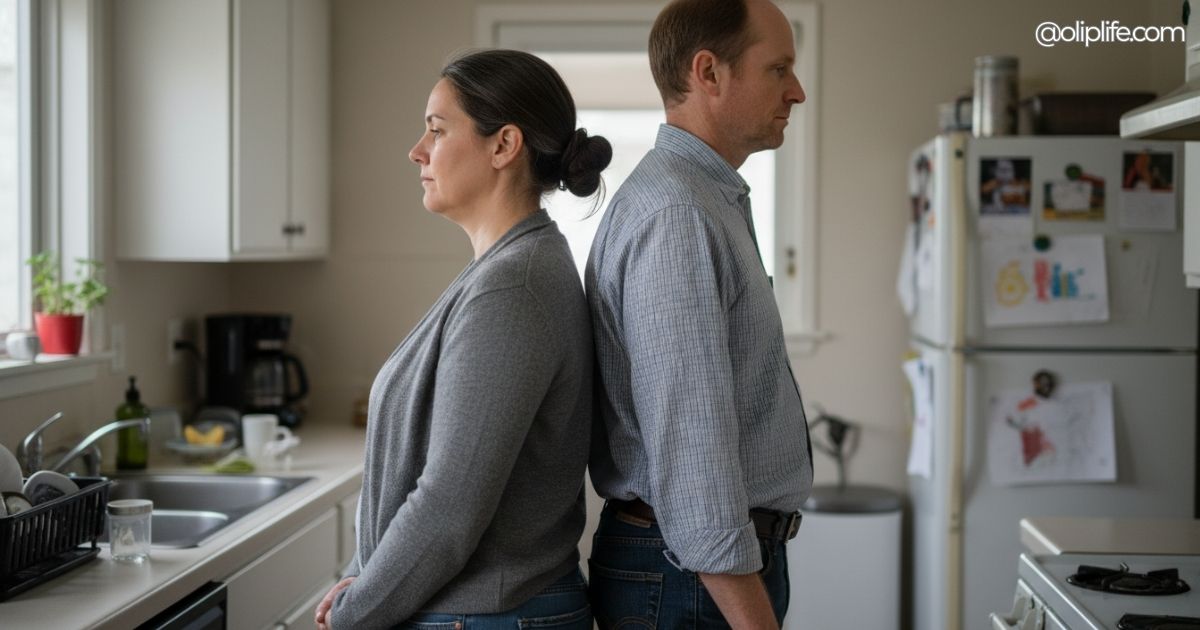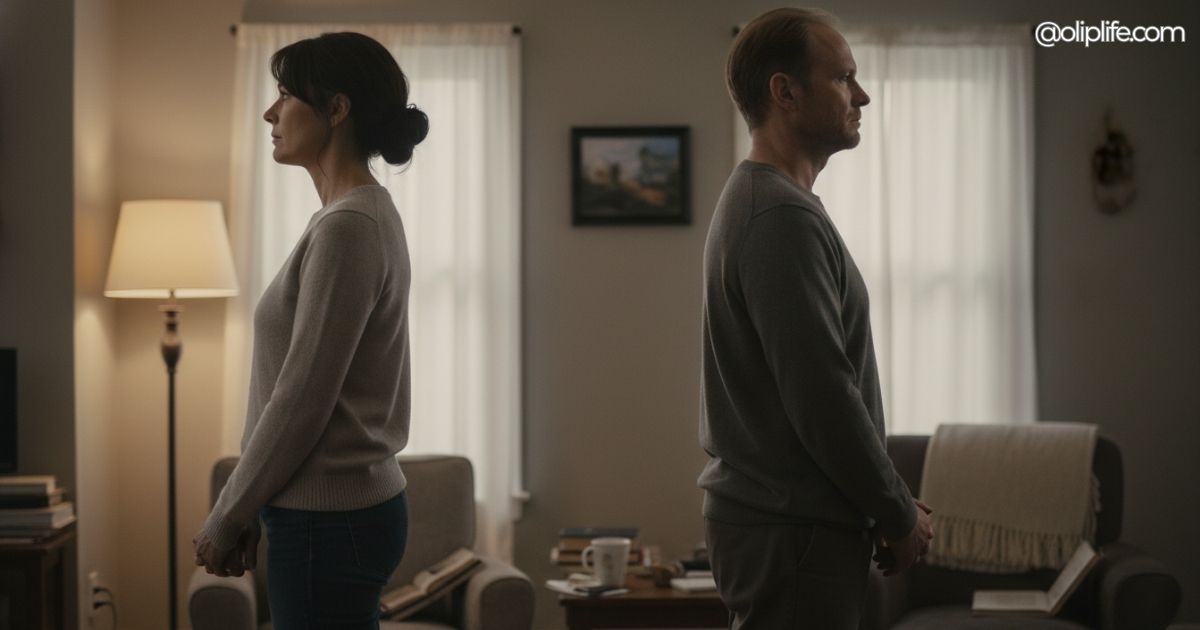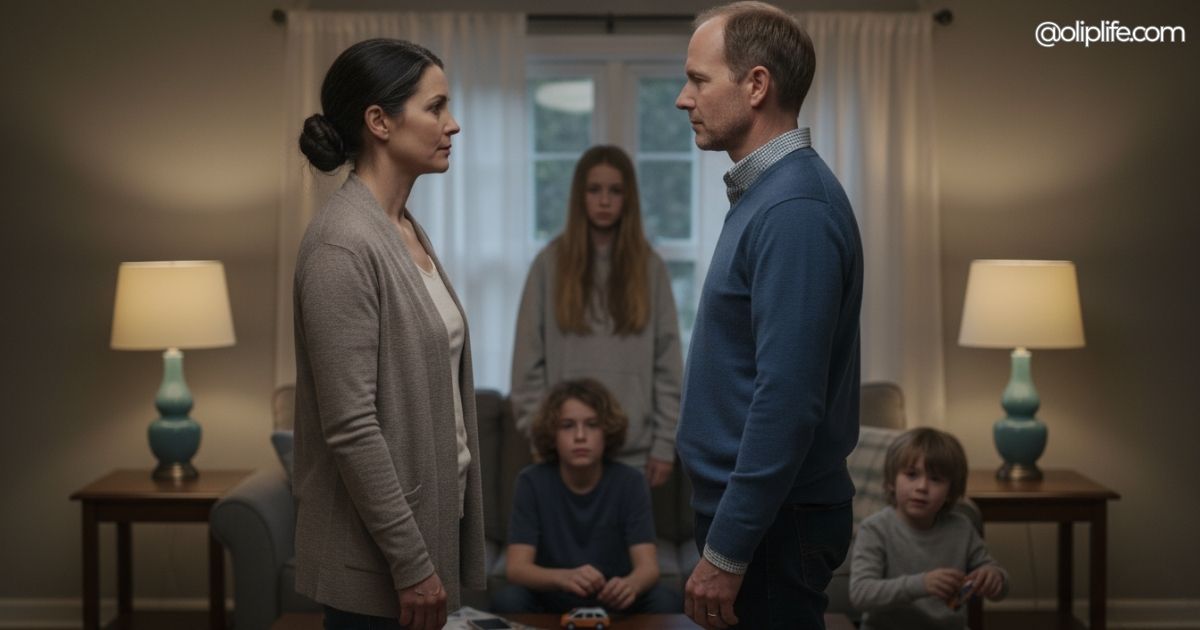
The compromises didn’t happen during arguments.
They happened in the pauses, in the moments where one of us decided it wasn’t worth reopening a conversation, in the quiet nods that signaled agreement without conviction. They happened late at night when everyone was tired, or in the middle of the day when momentum mattered more than clarity. Each compromise felt small enough to be harmless, almost responsible, a way to keep things moving without friction.
At the time, none of them felt like a loss.
It felt like maturity. Like flexibility. Like choosing peace over control.
What I didn’t understand then was that silence doesn’t dissolve disagreement. It stores it.
And eventually, it collects interest.

How the First Compromises Disguised Themselves as Cooperation
The earliest compromises were easy to justify.
One parent handled discipline differently than the other, and instead of discussing it, the moment passed. A routine felt misaligned with our values, but it worked well enough, so we let it stand. A decision didn’t sit quite right, but questioning it felt nitpicky, especially when everyone was already stretched thin.
I told myself these were examples of trust.
I told myself that parenting required give and take, that no partnership could operate on constant negotiation, and that letting small things go was part of staying connected. In isolation, each compromise made sense.
Together, they began to form a pattern.
When Silence Became the Default Response
Over time, silence became efficient.
We learned how to read each other well enough to anticipate which conversations would lead to tension and which ones would resolve smoothly. When a topic felt heavy, it was quietly shelved. When a difference in approach emerged, one of us adapted without comment.
The problem was not that we disagreed.
The problem was that disagreement stopped being spoken.
Instead of processing differences, we absorbed them. Instead of revisiting decisions, we built around them. Instead of asking whether something aligned with our shared values, we asked whether it would cause disruption.
The answer, more often than not, determined our silence.
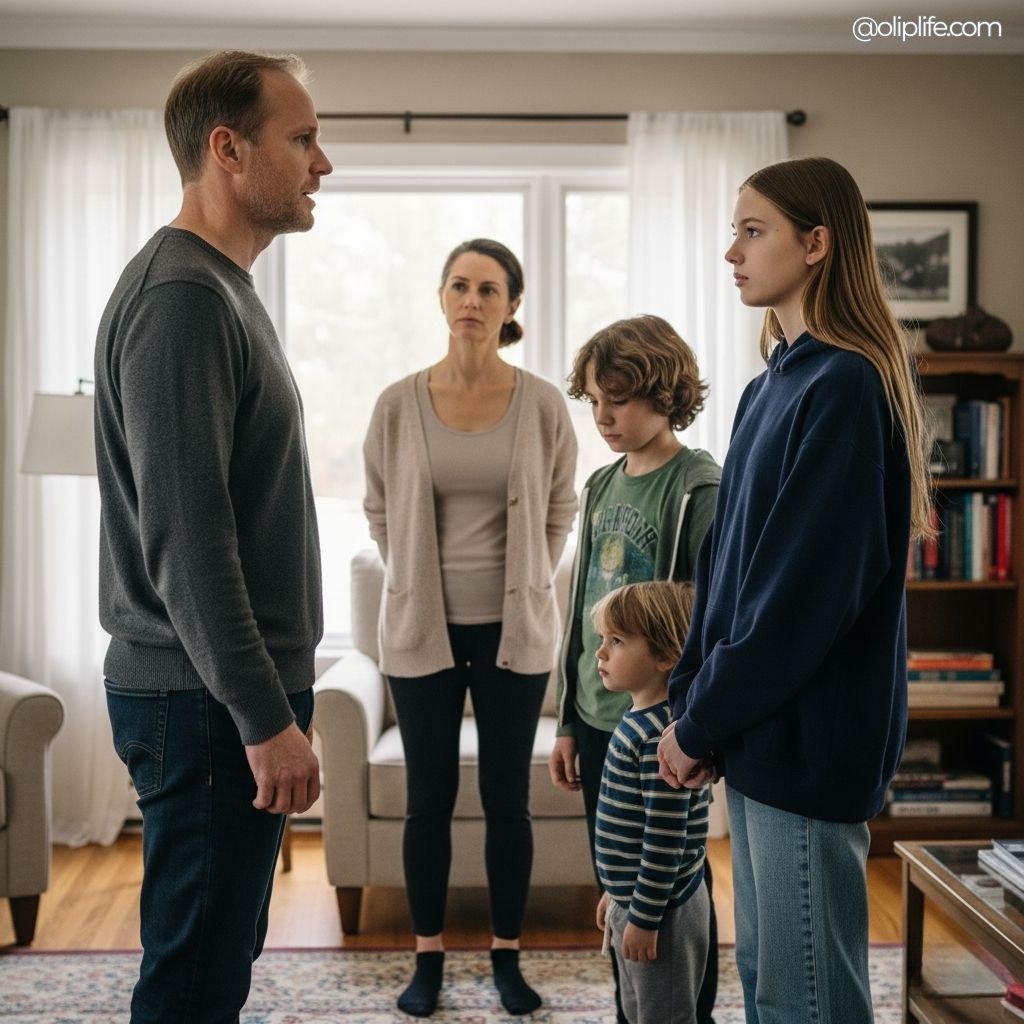
What These Compromises Were Teaching Our Kids
Children don’t need to hear arguments to learn about power and voice.
They notice who decides.
They notice who adjusts.
They notice whose instincts become routine.
Without realizing it, our silent compromises created a hierarchy that we never named. One parenting style slowly became the default, not because it was agreed upon, but because it went unchallenged. The other became secondary, surfacing only in moments where stress demanded it.
The kids adapted accordingly.
They learned which parent’s “no” meant finality and which parent’s flexibility could be counted on. They learned which emotional responses would be met with structure and which would receive softness. None of this was intentional.
It was cumulative.
The Emotional Cost We Didn’t Calculate
Silence carries emotional weight even when it looks calm.
Each unspoken compromise left a residue. It didn’t show up as resentment immediately. It showed up as fatigue. As a vague sense of misalignment. As the feeling that something important was being carried alone.
I began noticing moments where I felt disconnected from decisions I was enforcing, explaining rules I hadn’t fully agreed with, or backing up approaches that didn’t reflect how I actually felt. The words came out smoothly, but they didn’t land internally.
That disconnect mattered.
Parenting requires emotional coherence. When our actions drift too far from our values, something inside us starts pushing back, even if we can’t articulate why.
The Moment the Silence Broke
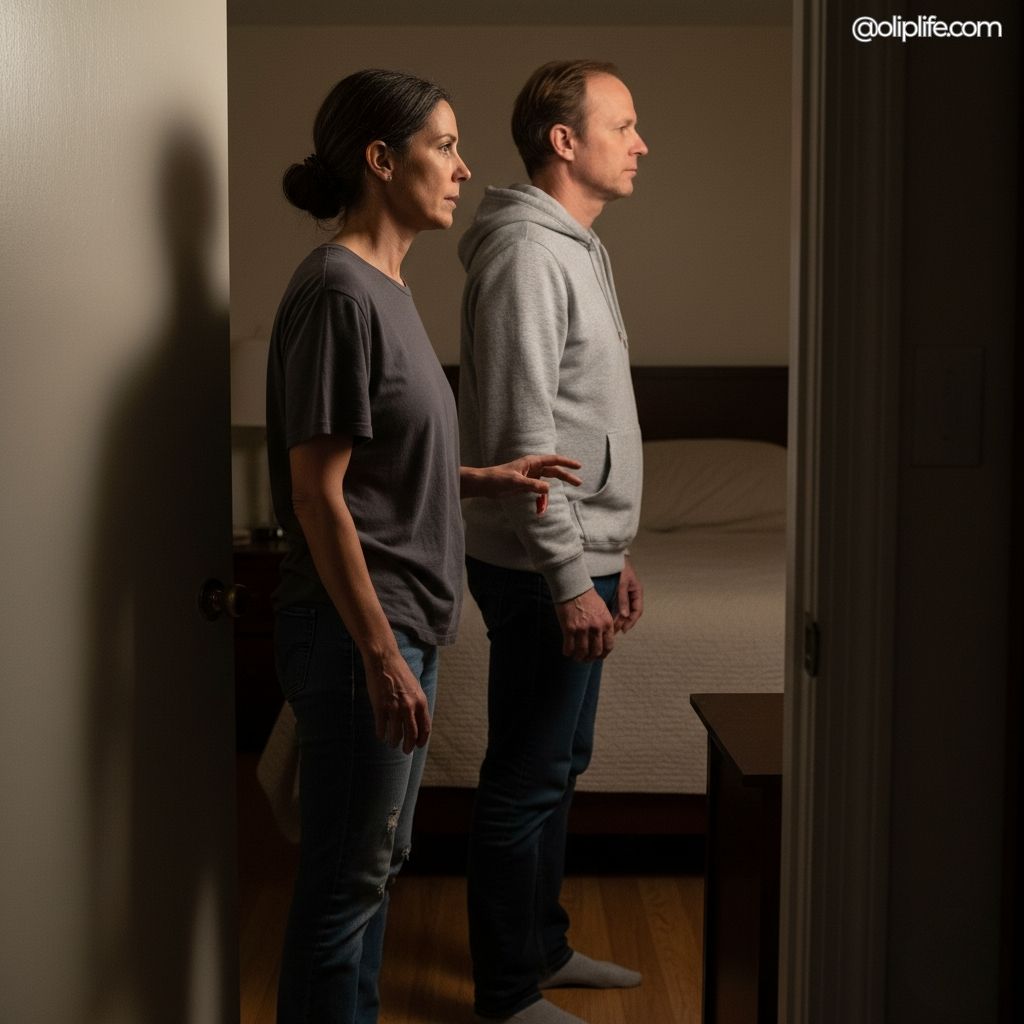
The silence didn’t break during a major conflict.
It broke during a small one.
A familiar parenting situation arose, one we had navigated dozens of times before. As we responded, I felt the familiar internal resistance, the quiet frustration that had become background noise. This time, instead of swallowing it, I paused.
I said, “I don’t think this is working the way we think it is.”
The room didn’t erupt.
But something shifted.
Because that sentence didn’t just challenge the decision. It challenged the pattern.
What Finally Became Clear
Once we began talking openly again, it became obvious how many compromises had accumulated without review.
We realized that we had been prioritizing ease over alignment, efficiency over reflection. We had confused the absence of conflict with agreement, and in doing so, we had slowly drifted away from collaborative parenting.
The compromises weren’t wrong individually.
They were unsustainable collectively.
Why Silent Compromises Feel Safer Than Spoken Ones
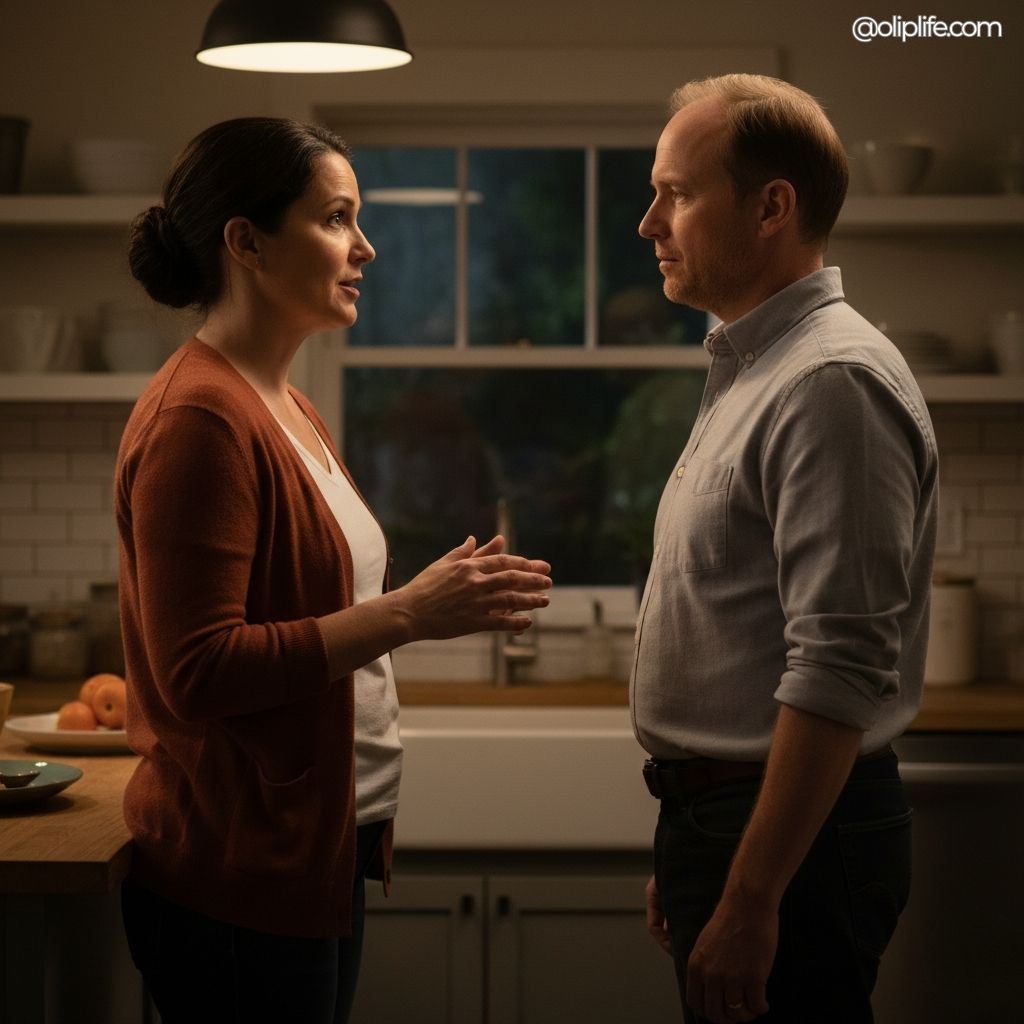
Speaking up feels risky.
It risks tension. It risks being misunderstood. It risks reopening conversations that feel settled. Silence, by contrast, feels safe in the moment. It preserves surface harmony and allows everyone to move on.
But silence also removes the opportunity for recalibration.
Parenting isn’t static. Children grow. Needs shift. What worked in one season may quietly fail in the next. When compromises go unspoken, they don’t get updated.
They just linger.
Relearning How to Disagree Without Fracturing
Once we named the pattern, we had to relearn how to disagree productively.
That meant slowing down decisions instead of defaulting to habit. It meant asking questions rather than assuming intent. It meant tolerating discomfort long enough to reach clarity.
Not every conversation ended in agreement.
That wasn’t the goal.
The goal was mutual influence.
We wanted both perspectives shaping decisions, not just the one that happened to be louder, faster, or less likely to create friction.
What Changed in the Way We Parented Together
The shift didn’t make parenting smoother overnight.
But it made it more honest.
Decisions felt shared again. Boundaries felt grounded in conversation rather than momentum. When one of us felt misaligned, it was named sooner, before resentment had time to take root.
The kids noticed too.
They sensed when decisions came from collaboration instead of default. They watched us revise approaches without framing the past as failure. They saw that difference could exist without threatening connection.
That modeling mattered more than we realized.
The Difference Between Peace and Alignment
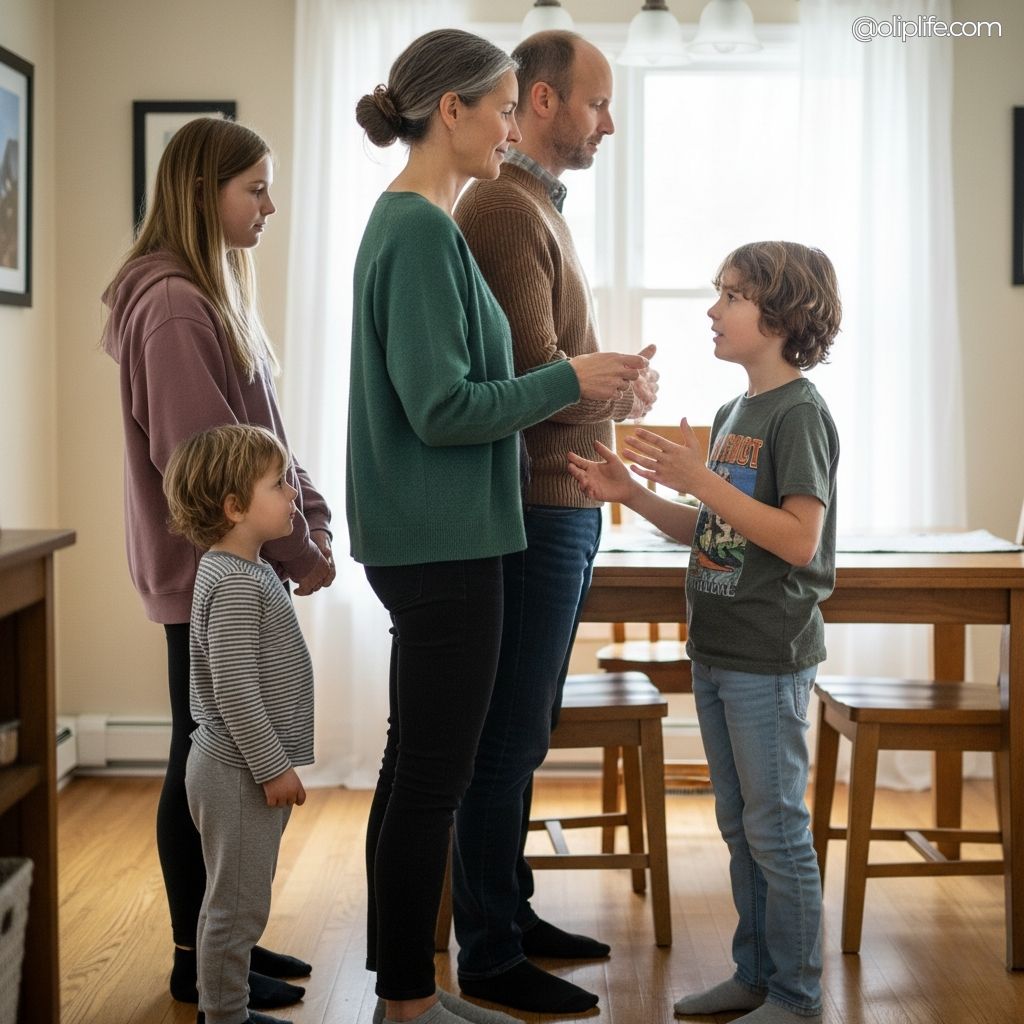
What I understand now is that peace and alignment are not the same thing.
Peace is the absence of visible conflict.
Alignment is the presence of shared intention.
You can have one without the other for a while.
But not forever.
Eventually, misalignment asserts itself, through exhaustion, frustration, or a growing sense that something feels off even when everything looks fine.
What I Try to Pay Attention to Now
I listen more closely to my own hesitation.
When I feel myself agreeing too quickly, I pause. When something feels uncomfortable but quiet, I investigate it instead of dismissing it. I try to notice the difference between flexibility and self-erasure, between compromise and silence.
Not every concern needs to become a conversation.
But the important ones do.
Final Thoughts
The silent parenting compromises that eventually caught up with us didn’t fail because they were careless or selfish.
They failed because they went unexamined.
Parenting together requires more than goodwill and good intentions. It requires ongoing conversation, especially when things feel “fine.” Especially when silence seems easier.
When parents learn to surface compromises before they harden into patterns, they protect not just their partnership, but the emotional integrity of their family.
Silence may keep the peace for a while.
But alignment is what allows families to grow without quietly pulling apart.