Belonging rarely announces itself in obvious ways.
It doesn’t arrive through big speeches or carefully planned family traditions, and it certainly doesn’t wait for parents to get everything right. In our home, I didn’t notice it forming in the moments I assumed would matter most. It showed up quietly instead, threaded through ordinary interactions I barely registered at the time. A look exchanged across the room. A pause before responding. The way a question was answered, or not answered, at the end of a long day.
I used to think belonging was built through presence alone, through being physically there, through showing up consistently and doing the big things correctly. What I’ve learned, slowly and sometimes uncomfortably, is that belonging is shaped far more by the smallest daily interactions than by anything we deliberately design.
It is built, or eroded, in moments that feel too insignificant to track.
Belonging Is a Felt Experience, Not a Concept
Children don’t experience belonging as an idea. They experience it as a sensation.
It lives in the body long before it reaches language. A child knows whether they belong not because they’ve been told they matter, but because of how often their presence feels anticipated, welcomed, and accommodated without being negotiated every time.
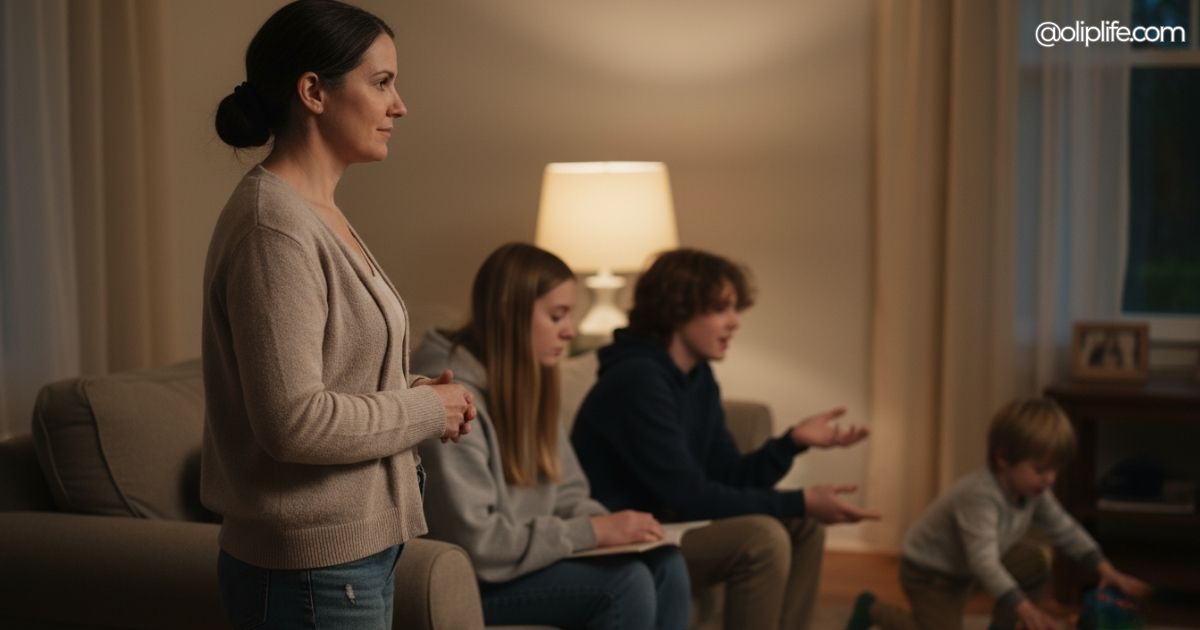
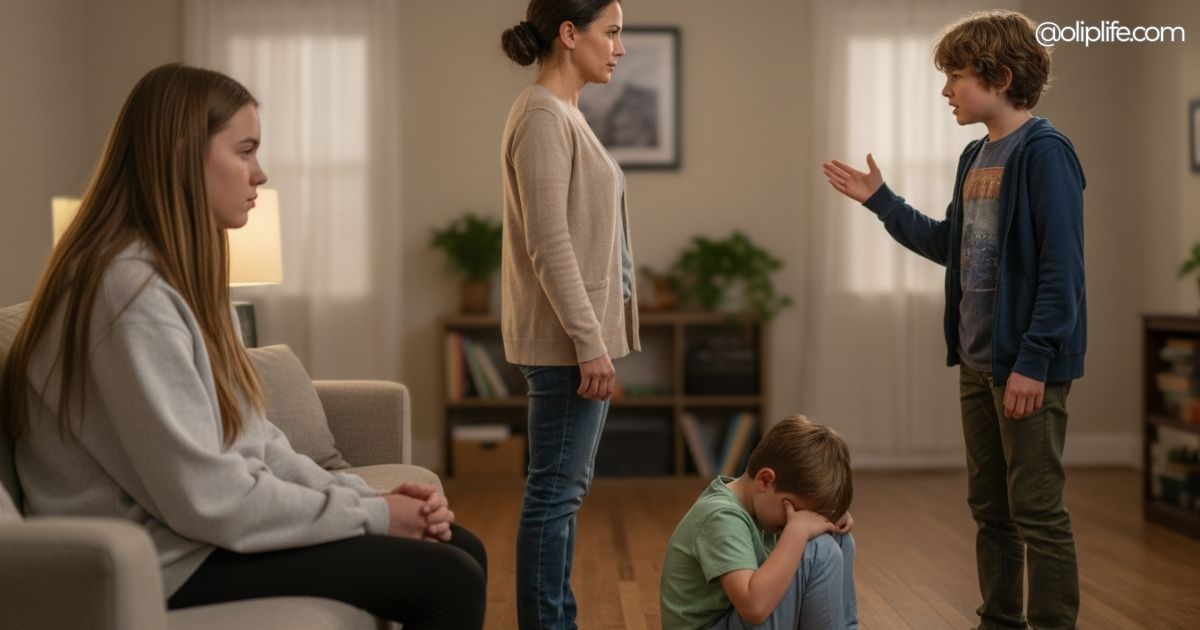
I began to understand this when I noticed how differently my children responded to the same environment. The rules were the same. The routines were the same. The love was the same. And yet, one child moved through the house with ease, while another hesitated, checking in subtly before engaging fully.
The difference wasn’t affection.
It was attunement.
The Moments That Don’t Feel Like Parenting
Most of the interactions that shape belonging don’t feel like parenting at all.
They happen when a child starts talking and we don’t immediately redirect. When they interrupt and we choose curiosity over correction. When they enter a room and we acknowledge them with our eyes before our words.
They happen when a child asks a question we’ve heard a hundred times and we answer without irritation. When they make a mistake and we respond with information rather than embarrassment. When they share something small and we treat it as worthy of attention.
None of these moments are dramatic.
That’s exactly why they matter.
How Belonging Is Quietly Communicated
Children are constantly receiving messages about their place in the family, even when no one is speaking directly to them.
They learn whether their presence disrupts or completes the moment.
They learn whether their emotions are tolerated or welcomed.
They learn whether their needs are an inconvenience or a signal.
Belonging is communicated through tone more than content, through timing more than explanation. A rushed response can carry more weight than a thoughtful one delivered later. A distracted nod can undo the reassurance of words spoken carefully.
I didn’t realize how closely my children were tracking these signals until I slowed down enough to watch.
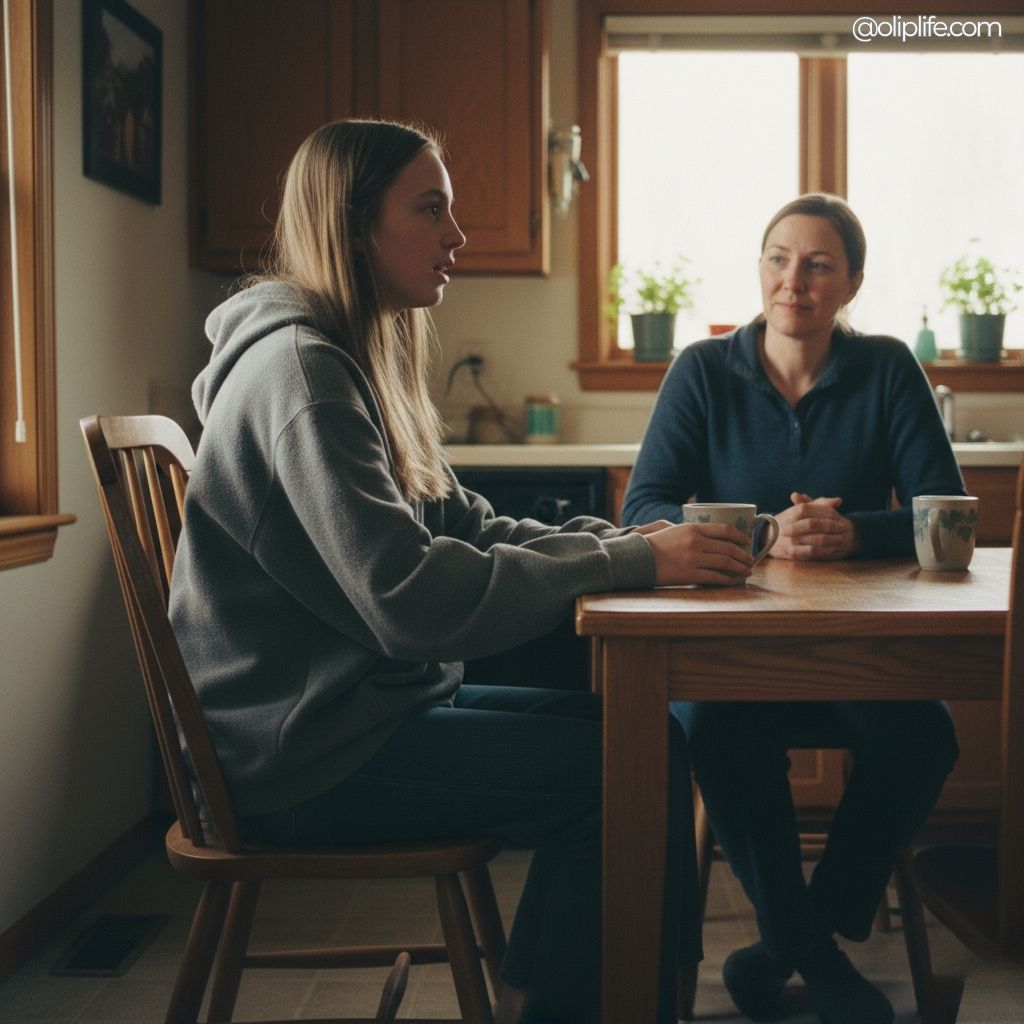
The Difference Between Inclusion and Accommodation
One of the most subtle shifts I’ve made as a parent is learning the difference between including a child and accommodating them.
Inclusion says, you are part of this, exactly as you are.
Accommodation says, we’ll make room for you, but you need to fit.
Children feel that distinction immediately.
When a child is included, their presence shapes the environment naturally. When they are accommodated, their presence feels conditional, something that must be managed or adjusted around.
I noticed how often I defaulted to accommodation without meaning to. I rearranged schedules, managed behavior, smoothed edges, all in the name of harmony, without realizing that I was sometimes sending the message that belonging required effort on their part.
The Power of Predictable Warmth
One of the strongest contributors to a child’s sense of belonging is predictability, not in routine alone, but in emotional response.
Children need to know what version of us they will encounter when they walk into a room. They need confidence that their parent’s warmth is not dependent on mood, performance, or convenience.
Predictable warmth doesn’t mean constant cheerfulness. It means emotional reliability.
It means that even when I’m tired, distracted, or frustrated, my child can trust that my tone will not suddenly withdraw affection. It means they don’t have to scan my face before deciding whether it’s safe to speak.
That predictability builds belonging faster than any affirmation ever could.
When Belonging Feels Fragile
There was a period when I noticed one child becoming quieter in group settings at home. They weren’t withdrawn, exactly, but they were less spontaneous, more measured, as if gauging whether their contribution would be welcome.
Nothing dramatic had happened.
There was no conflict I could point to, no single moment of rupture.
What had changed were the small interactions. More interruptions. More rushed responses. More moments where I finished their sentence instead of letting them find their own words.
None of it was intentional.
All of it mattered.
Belonging doesn’t usually break in one moment. It erodes through accumulation.
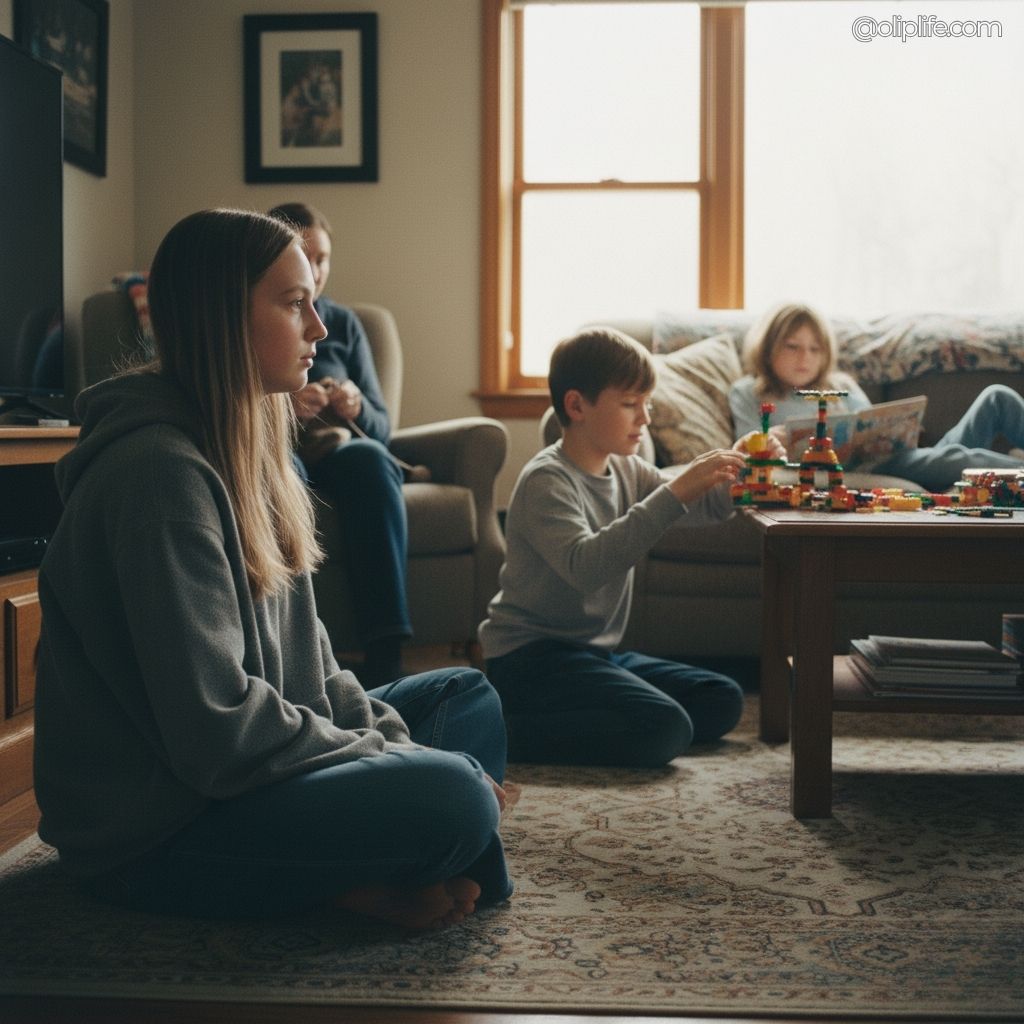
Repair Happens in the Same Small Ways
The good news is that belonging is also repaired through small interactions.
It returns when we notice and name a child’s effort instead of correcting their outcome. When we circle back to a missed moment and say, “I didn’t listen well earlier, tell me again.” When we create space for a child’s rhythm instead of insisting on our own.
Repair doesn’t require a formal conversation.
It requires consistency.
Children trust what repeats.
Why Belonging Can’t Be Demanded
Belonging cannot be forced through rules or expectations.
It grows when children feel emotionally safe enough to show up fully, even when that fullness is inconvenient or messy. It deepens when they don’t have to perform or self-edit to maintain connection.
I’ve learned that the fastest way to weaken belonging is to prioritize compliance over connection, especially in moments where connection would require slowing down.
The fastest way to strengthen it is to remain present when it would be easier to disengage.
The Role of Attention, Not Time
Belonging is often framed as a matter of spending enough time together, but time alone is not the determining factor.
Attention is.
Ten minutes of attuned attention does more to build belonging than an entire afternoon spent half-listening. Children know when our bodies are present but our minds are elsewhere.
They also know when they have our full focus, even briefly.
Belonging grows in those moments of genuine engagement, when a child feels seen rather than managed.
What I Try to Hold Onto Now
I no longer assume that belonging is secure simply because love exists.
Love is the foundation. Belonging is the structure built on top of it, moment by moment.
I try to pay attention to how often I greet instead of instruct. How often I listen instead of correct. How often I allow a child’s presence to shape the moment rather than rushing them through it.
I still get it wrong.
But I notice it sooner now.
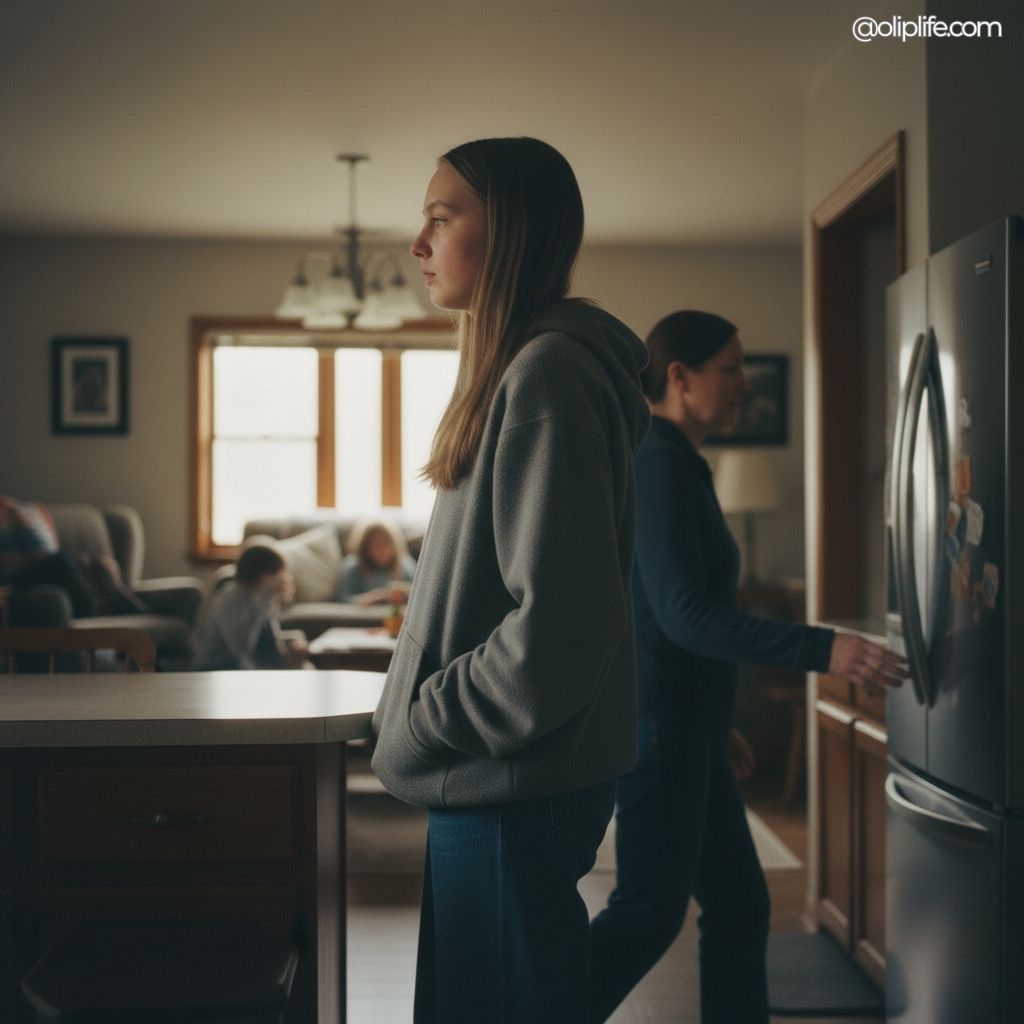
What Children Carry Forward
The sense of belonging children develop at home becomes the blueprint they carry into the world.
It shapes how they enter rooms, how they speak in groups, how they handle rejection, and how much of themselves they believe is welcome elsewhere.
A child who feels belonging internally doesn’t need constant reassurance. They don’t have to fight for space or disappear to maintain peace. They trust that they are allowed to exist fully.
That trust begins at home, in the smallest interactions.
Final Thoughts
The small daily interactions that shape a child’s sense of belonging are easy to overlook because they rarely feel important in the moment.
But children are not collecting memories. They are collecting experiences of how it feels to be themselves around us.
Belonging is built when children don’t have to ask whether they matter. When they don’t have to earn space. When their presence feels natural rather than negotiated.
It grows quietly, through tone, timing, and attention.
And once it takes root, it becomes one of the most protective forces a child will ever carry with them, long after the small moments that created it have faded from memory.