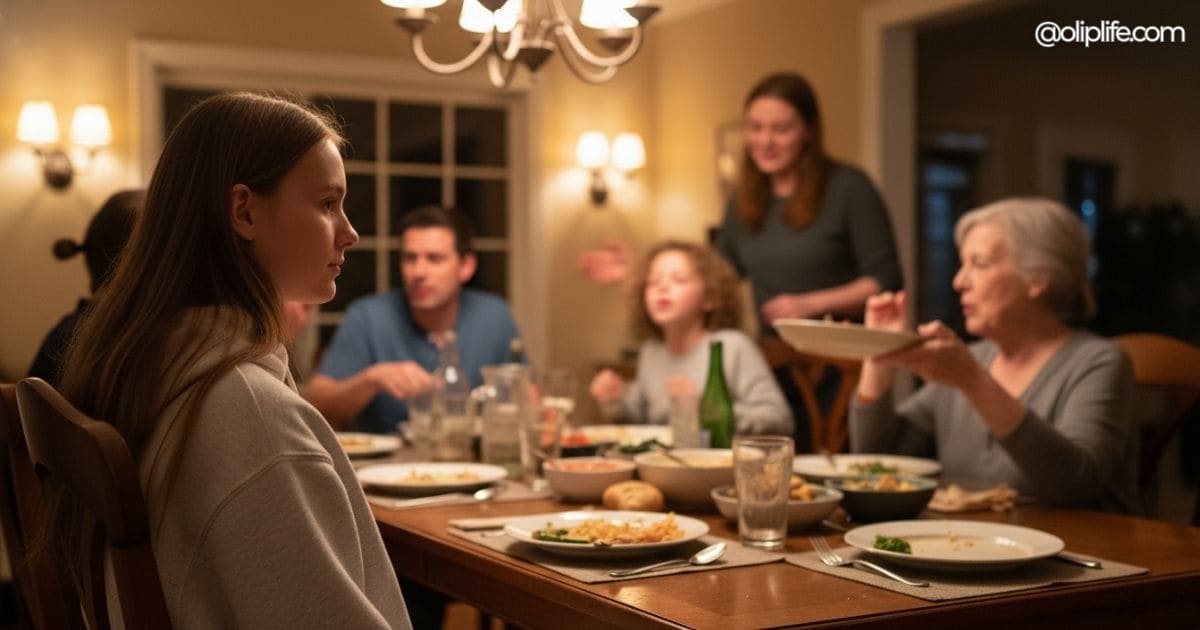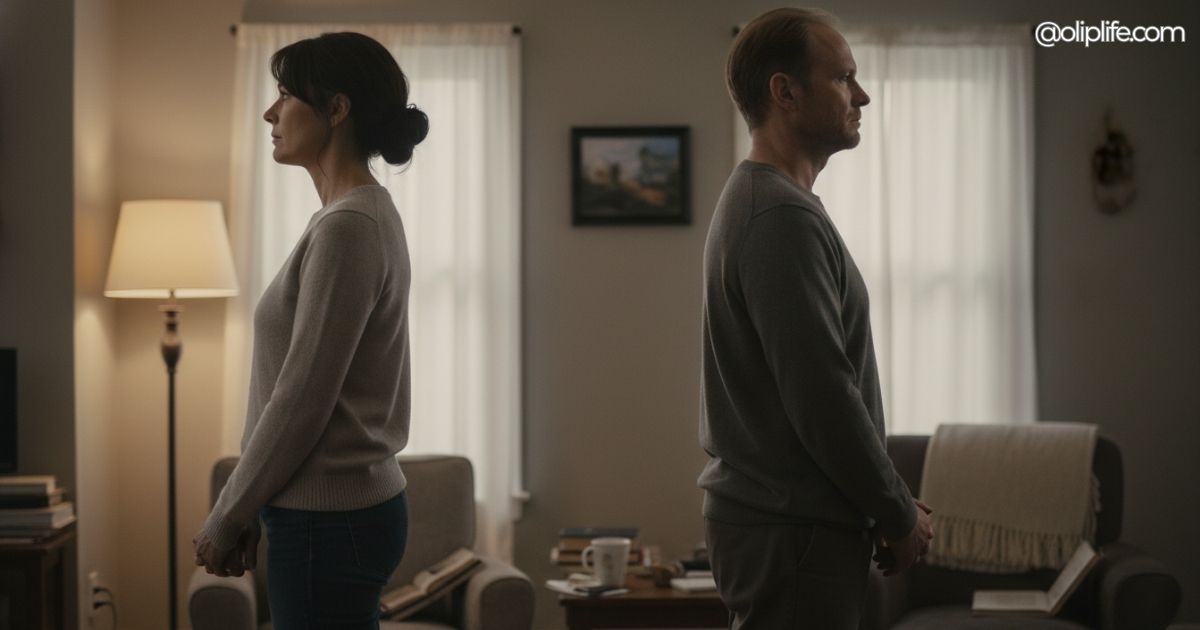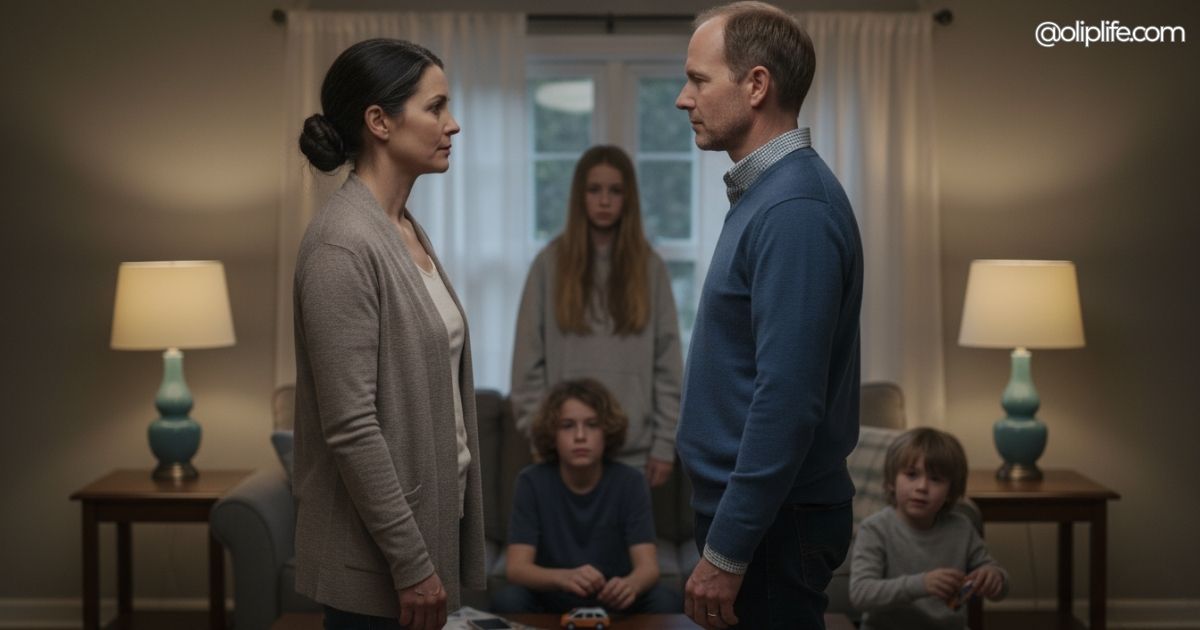
For years, Daniel and I carried the same disagreement through our marriage like a piece of furniture neither of us wanted to move, but neither of us could ignore.
It wasn’t dramatic enough to demand resolution. It didn’t explode into shouting matches or ultimatums. It simply followed us quietly, resurfacing every few months in slightly different forms, attached to different moments, always unresolved.
What made it so difficult wasn’t the decision itself.
It was what the decision represented.

The Decision That Refused to Settle
The disagreement centered on independence.
More specifically, when children should be expected to handle things on their own, and how much support was appropriate before stepping back. It showed up in small moments at first. Should we step in when frustration rises, or let it play out? Should we intervene early to prevent overwhelm, or wait and trust that resilience will build through discomfort?
Daniel believed deeply in letting kids struggle a little longer than felt comfortable to me. He trusted that competence grows through friction, that stepping back communicates belief in a child’s capacity. To him, too much support risked undermining confidence.
I believed just as strongly in emotional scaffolding. I wanted to help before frustration tipped into shutdown. I worried that waiting too long taught children that help wasn’t available when they needed it most.
On the surface, it looked like a difference in parenting style.
In reality, it was a difference in emotional memory.
How the Same Moment Looked Completely Different to Each of Us
There were countless moments where this disagreement replayed itself.
A child struggling with homework, growing increasingly tense. Daniel would hover at a distance, watching for signs that help was truly needed. I would inch closer, already preparing to step in.
A child upset about a social conflict. Daniel would encourage reflection and space. I would ask questions, name feelings, offer comfort.
Neither of us was careless. Neither of us was disengaged.
We were responding to the same child through two very different internal lenses.
And for years, we argued as if one of those lenses needed to be corrected.

Why the Disagreement Lasted So Long
What prolonged the disagreement wasn’t stubbornness.
It was fear.
Daniel feared raising children who doubted their own competence, who waited for reassurance instead of trusting themselves. I feared raising children who learned to manage their pain alone, who internalized the idea that needing help was a failure.
Both fears were valid.
And both were rooted in our own childhood experiences, though it took us a long time to say that out loud.
The Childhood Stories Beneath the Argument
I grew up learning to manage my emotions quietly. Help existed, but it was often delayed, offered only after things had already escalated. I learned early how to hold myself together, how to cope independently, how to avoid being “too much.”
That independence served me well in many ways.
It also taught me to downplay my needs.
Daniel grew up in a home where independence was celebrated early. You were trusted to figure things out, sometimes before you felt ready. That trust built confidence, resilience, and a sense of capability that carried him into adulthood.
It also left little room for emotional processing in the moment.
We weren’t just disagreeing about parenting.
We were protecting our younger selves.
The Conversations That Went Nowhere
For years, we talked around the issue.
We debated research. We cited articles. We compared outcomes. We tried to compromise by alternating approaches, only to feel unsettled when the results didn’t align with our expectations.
The conversations felt productive on the surface, but they always ended the same way. Polite. Unresolved. Heavy with the sense that something important remained unspoken.
We were arguing tactics while ignoring values.
And values don’t respond well to compromise alone.

The Moment That Shifted Everything
The turning point didn’t come during a parenting crisis.
It came during a quiet evening, long after the kids were asleep, when neither of us was defending a specific moment. We were talking about the pattern itself, not the latest example.
Daniel said something that stopped me.
“I think I worry that if I step in too soon, they’ll never learn they can handle hard things.”
I replied without thinking, “I worry that if I don’t step in soon enough, they’ll learn they’re on their own when things hurt.”
We sat with that for a long time.
Because suddenly, the disagreement wasn’t about timing.
It was about trust.
Understanding What We Were Each Trying to Protect
Once we named the fears underneath the disagreement, the tone changed.
Daniel wasn’t dismissing emotions. He was guarding competence.
I wasn’t coddling. I was guarding connection.
Those goals weren’t opposites.
They were incomplete without each other.
The realization didn’t make the decision easy. It made it honest.
What We Changed (And What We Didn’t)
We didn’t land on a single, fixed rule.
Instead, we agreed on something more flexible and more difficult.
We agreed to watch the child, not the clock.
We began paying closer attention to how a child was struggling, not just that they were struggling. Was frustration building productively, or tipping into shutdown? Was the child seeking mastery, or safety?
Daniel became more willing to step in emotionally, even if he still waited before solving. I became more willing to sit with discomfort, even when my instinct was to soothe immediately.
We didn’t meet perfectly in the middle.
We learned to move toward each other.

How the Kids Benefited From the Shift
The change wasn’t dramatic, but it was steady.
The kids learned that support didn’t mean rescue, and independence didn’t mean isolation. They learned that struggle wasn’t something to fear, but neither was asking for help.
Most importantly, they learned that adults could disagree deeply and still collaborate with respect.
They watched us adjust. They watched us reflect. They watched us revise our approach without framing the past as failure.
That modeling mattered more than any specific decision ever could.
The Disagreement Never Fully Disappeared
We still disagree sometimes.
There are moments when Daniel waits longer than I would, and moments when I step in sooner than he prefers. The difference now is that those moments no longer feel like threats to our partnership.
They feel like conversations.
We’ve stopped trying to eliminate the disagreement.
We’ve learned how to hold it.
What I Know Now
Looking back, I’m grateful we didn’t rush to resolve that disagreement.
If we had forced a decision too early, we might have chosen tactics over understanding. We might have silenced the deeper conversation that needed time to emerge.
Some parenting decisions don’t require a winner.
They require patience.
Final Thoughts
The parenting decision my partner and I disagreed on for years taught me something I didn’t expect.
Disagreement isn’t always a sign of incompatibility. Sometimes it’s a sign that two people are protecting something deeply important, even if they haven’t yet found the language for it.
When parents take the time to uncover what sits beneath their disagreements, they move from opposition to collaboration, from rigidity to responsiveness.
The decision itself may still evolve over time.
But the partnership grows steadier.
And in parenting, that steadiness is often the most valuable foundation of all.