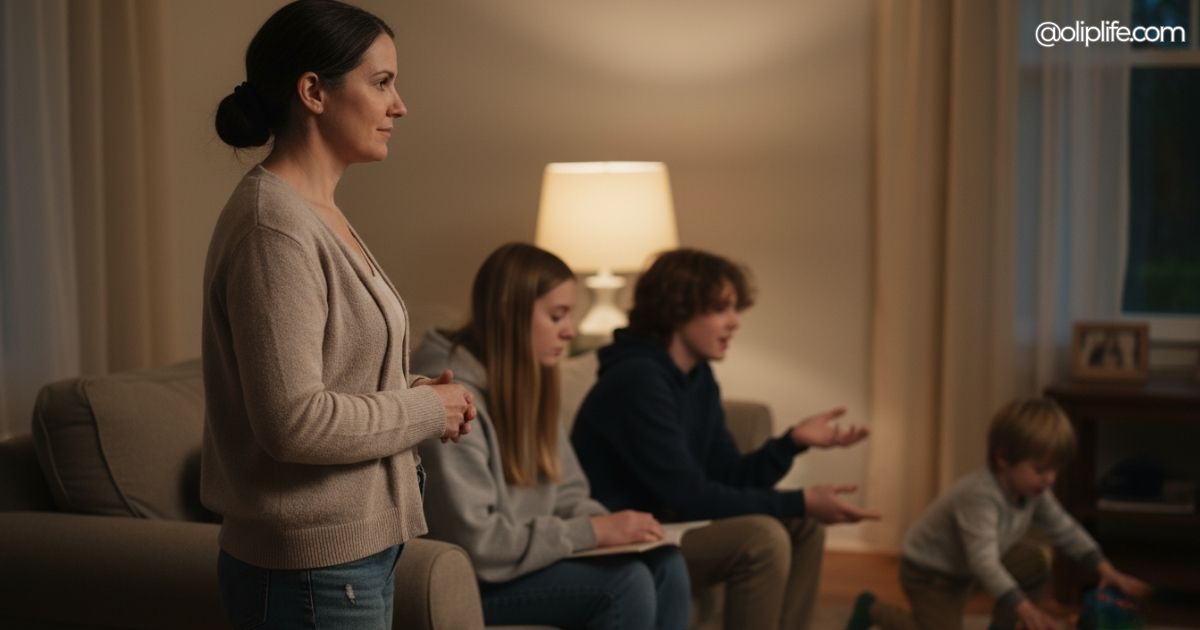
No one ever sat down and chose the label.
There was no moment where we looked at one child and decided, consciously, that they would be the difficult one in our family. If you had asked me directly, I would have pushed back immediately. I would have said that children are complex, that behavior is communication, that labels are unhelpful. All of that was true in theory.
And yet, somewhere between repeated conflicts, tired evenings, and well-worn conversations, one child quietly began to carry a role that none of us meant to assign.
The difficult one.
The child who escalated faster, who resisted more, who seemed to turn ordinary moments into struggles. The child whose name entered conversations with a subtle exhale, whose behavior required more planning, more energy, more explanation.
I didn’t notice the cost of that label at first because it didn’t sound cruel. It sounded practical.
How the Label Slips In Without Announcement
Labels rarely arrive with sharp edges. They arrive disguised as shorthand.
“We need to be careful with him tonight.”
“She’s having a hard phase again.”
“This is just how he is.”
At first, these phrases feel neutral, even compassionate. They help adults communicate quickly, prepare themselves, and manage expectations. In stressful moments, having a mental category can feel like a form of control.
But children don’t hear labels the way adults intend them.
They absorb them as identity.
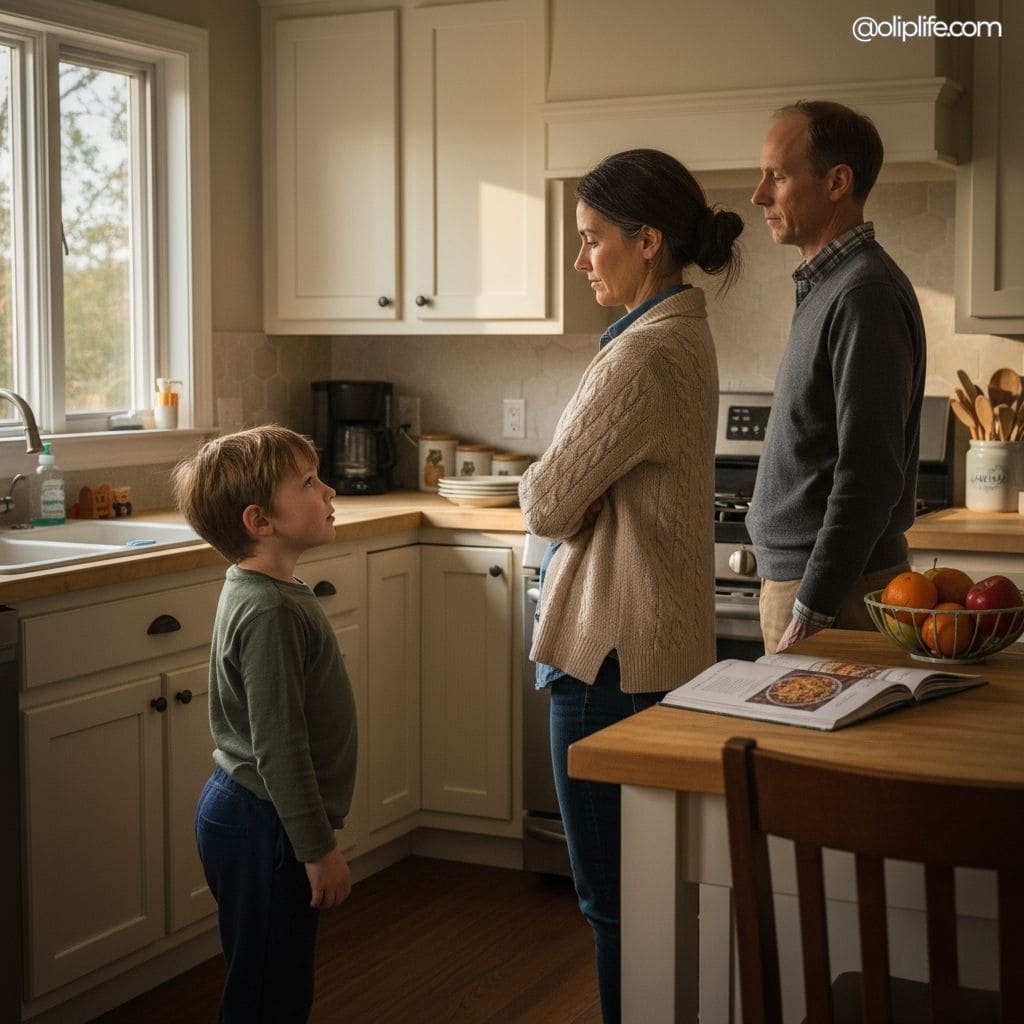
Long before a child can articulate what they’re being called, they can feel how they are being anticipated. They notice the tightened shoulders when they enter a room, the quicker interventions, the lowered tolerance. They sense when adults brace themselves.
And slowly, a pattern forms.
What I Mistook for Personality
The child who became “difficult” in our family wasn’t more oppositional by nature.
He was more sensitive to transitions. More reactive to unpredictability. Less able to mask overwhelm in socially acceptable ways. His emotions arrived fully formed and visibly, without the filter that made things easier for adults to digest.
When he struggled, it was obvious. When he was frustrated, the whole room felt it. When something didn’t go as expected, he couldn’t quietly adjust the way his siblings could.
I told myself this was temperament.
And it was, in part.
What I didn’t see was how quickly temperament turned into expectation.

How Expectation Shapes Experience
Once a child is seen as difficult, interactions shift in subtle but powerful ways.
Adults intervene sooner, often before the child has a chance to try.
Instructions become more controlling, less collaborative.
Patience wears thin faster, even when no rule has been broken yet.
I noticed myself narrating his behavior before it happened.
“Remember, we need to stay calm.”
“Let’s not make this harder than it needs to be.”
“Please don’t start.”
Each sentence was meant to prevent escalation.
Each one also carried an assumption.
You are likely to be a problem.
The Emotional Weight the Child Carries
The emotional cost of this label didn’t show up in immediate defiance or rebellion.
It showed up in resignation.
There were moments when he would pause before reacting, not because he was regulated, but because he was gauging how much tolerance remained in the room. Other times, he leaned fully into the role, escalating quickly as if to confirm what everyone already seemed to expect of him.
Both responses made sense.
If you are already perceived as difficult, there is little incentive to prove otherwise. Either you try endlessly to contain yourself, or you stop trying altogether.
Neither path feels safe.
What the Label Took Away
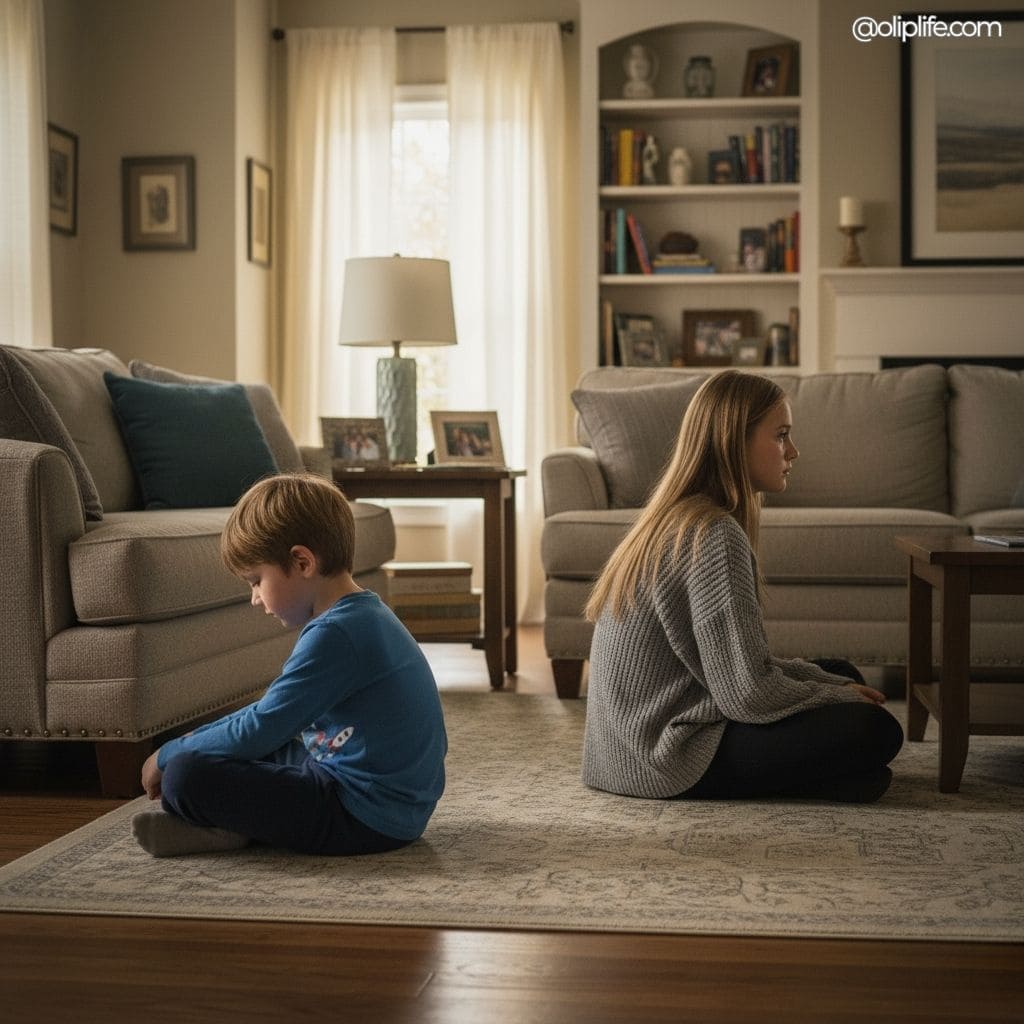
The label didn’t just shape how we saw him. It shaped what we stopped seeing.
We missed his restraint on the days he worked hard to hold himself together.
We overlooked his kindness when it didn’t offset the disruption.
We failed to notice his growth because we were measuring him against a fixed narrative.
Progress became invisible because it didn’t fit the story we had already written.
And that, more than any single conflict, was the deepest loss.
How Siblings Learn the Label Too
Labels don’t stay contained between adults.
Siblings notice patterns quickly. They learn who is corrected first, who is believed, who is given the benefit of the doubt. They adjust their own behavior around that understanding.
In subtle ways, the label became part of the family ecosystem.
One child avoided conflict to stay out of the fallout.
Another used the label as leverage, knowing whose reaction would draw adult attention.
No one was malicious.
We were all adapting.
The Moment I Finally Saw It Clearly
The realization didn’t come during a major argument.
It came during a calm moment, one of the rare times when nothing was actively going wrong. He was sitting nearby, focused, engaged, managing himself beautifully.
Someone made a small comment, casual and unthinking.
“Well, at least today is going smoothly.”
He looked up and said, quietly, “For me too.”
That sentence stopped me cold.
Because it revealed what the label had done.
Even on his best days, he wasn’t sure they counted.
Why Labels Stick So Hard
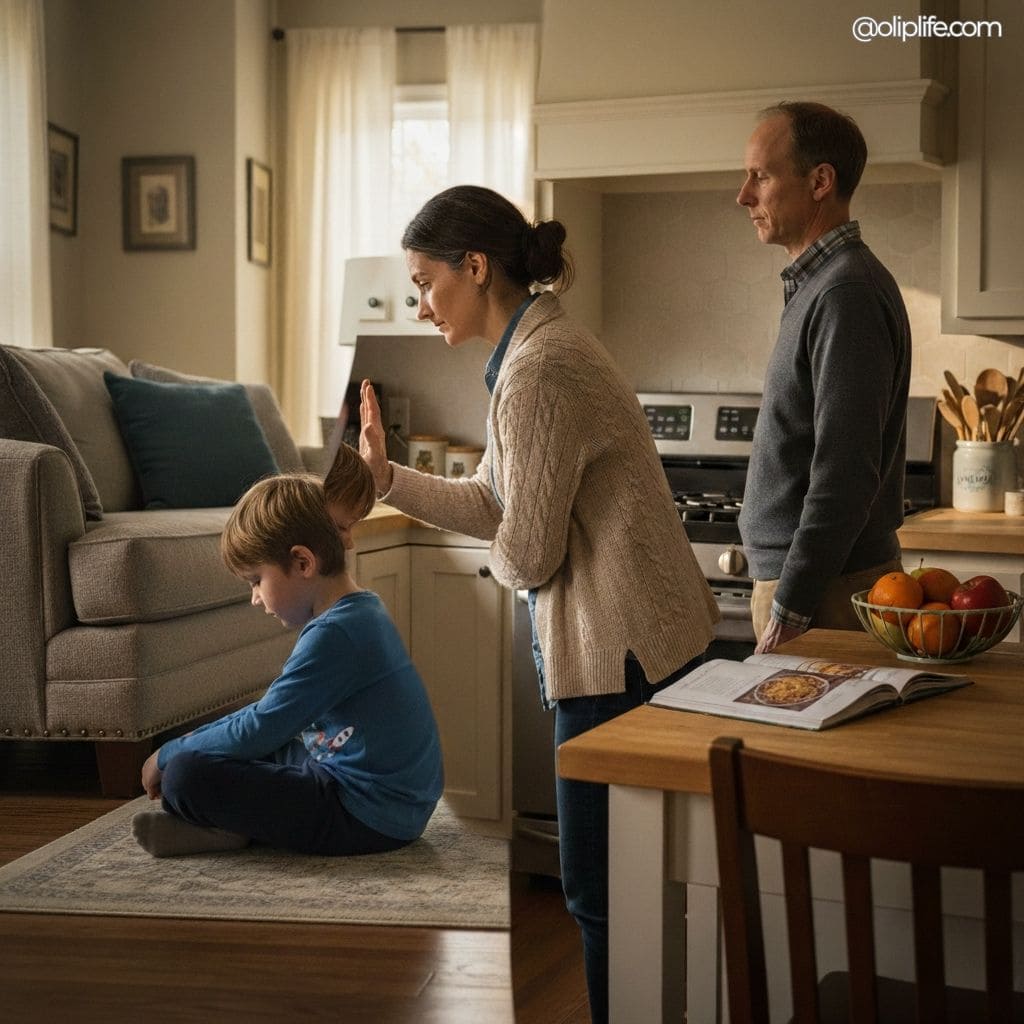
Once a child is labeled difficult, everything they do gets filtered through that lens.
Neutral behavior feels suspect.
Strong emotion feels threatening.
Mistakes feel inevitable rather than situational.
The label simplifies the adult experience, but it complicates the child’s internal world.
They stop being seen as a whole person navigating development and start being seen as a problem to manage.
What Changed When I Let the Label Go
Letting go of the label didn’t mean pretending challenges didn’t exist.
It meant separating the child from the struggle.
Instead of “He is difficult,” I began thinking, “He is having a hard time with this.”
Instead of anticipating disruption, I anticipated support.
I slowed my interventions. I noticed effort more deliberately. I named regulation when it happened, even if it didn’t look polished.
Most importantly, I stopped referencing past behavior as if it predicted the future.
What Happened When the Role Loosened
The shift wasn’t immediate or dramatic.
But over time, something softened.
He took more risks in trying to manage himself because failure no longer confirmed an identity. He recovered more quickly from mistakes because they weren’t treated as proof of who he was. He trusted that effort mattered, even when outcomes weren’t perfect.
And I realized something equally important.
He had never been difficult.
He had been carrying more.
What I Know Now
Labeling a child as “the difficult one” doesn’t explain behavior.
It freezes it.
It reduces a dynamic human being into a fixed role and then asks them to live inside it.
Children need guidance, boundaries, and support. They do not need identities built around their hardest moments.
Final Thoughts
The emotional cost of labeling one child as the difficult one is paid quietly, over time, in self-perception, in risk-taking, in trust.
When parents release labels and return to curiosity, children regain the freedom to surprise us, and themselves.
Not every behavior improves overnight.
But the child’s relationship with themselves often does.
And that change, subtle and profound, is worth every moment it takes to see them again without the weight of a name they never chose.