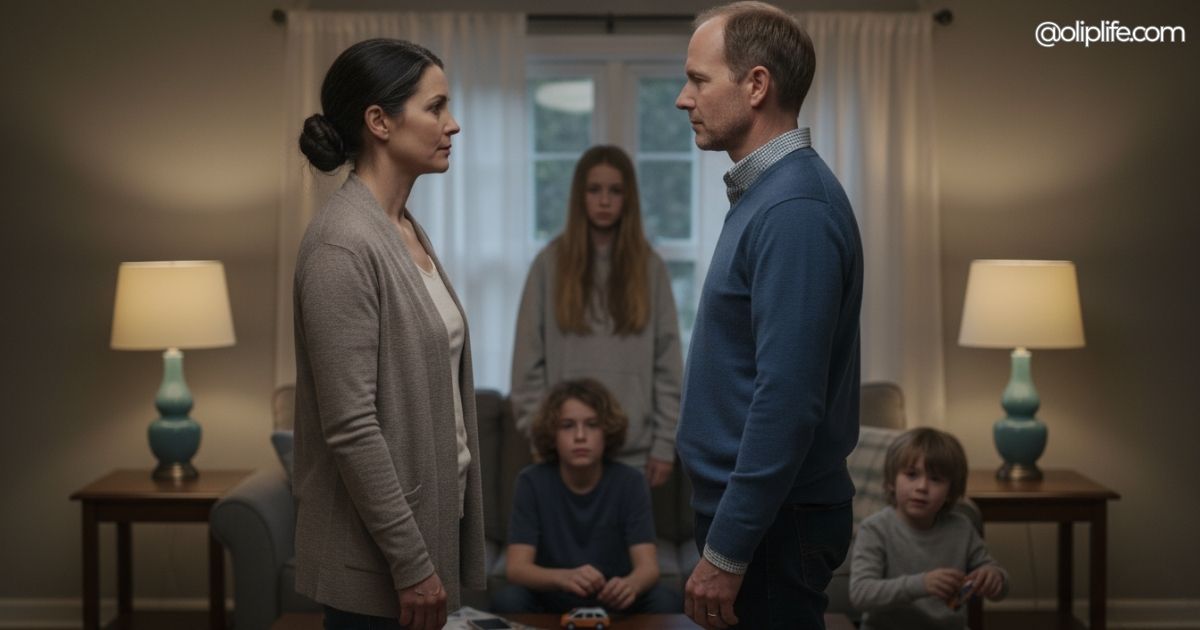
For a long time, Daniel and I believed our parenting conflicts were about timing, tone, or decision-making style.
We told ourselves we disagreed because one of us was tired, or stressed, or reacting too quickly. We blamed logistics, personalities, even the phase the kids were in. When arguments repeated, we assumed we simply hadn’t found the right compromise yet, the magical middle ground that would finally make things feel settled.
What we didn’t realize, at least not at first, was that many of our conflicts were already decided long before we ever became parents.
They were shaped quietly, years earlier, in houses we no longer lived in, by adults who were not in the room, by childhood rules we absorbed without ever choosing them.
The Argument That Felt Bigger Than the Moment
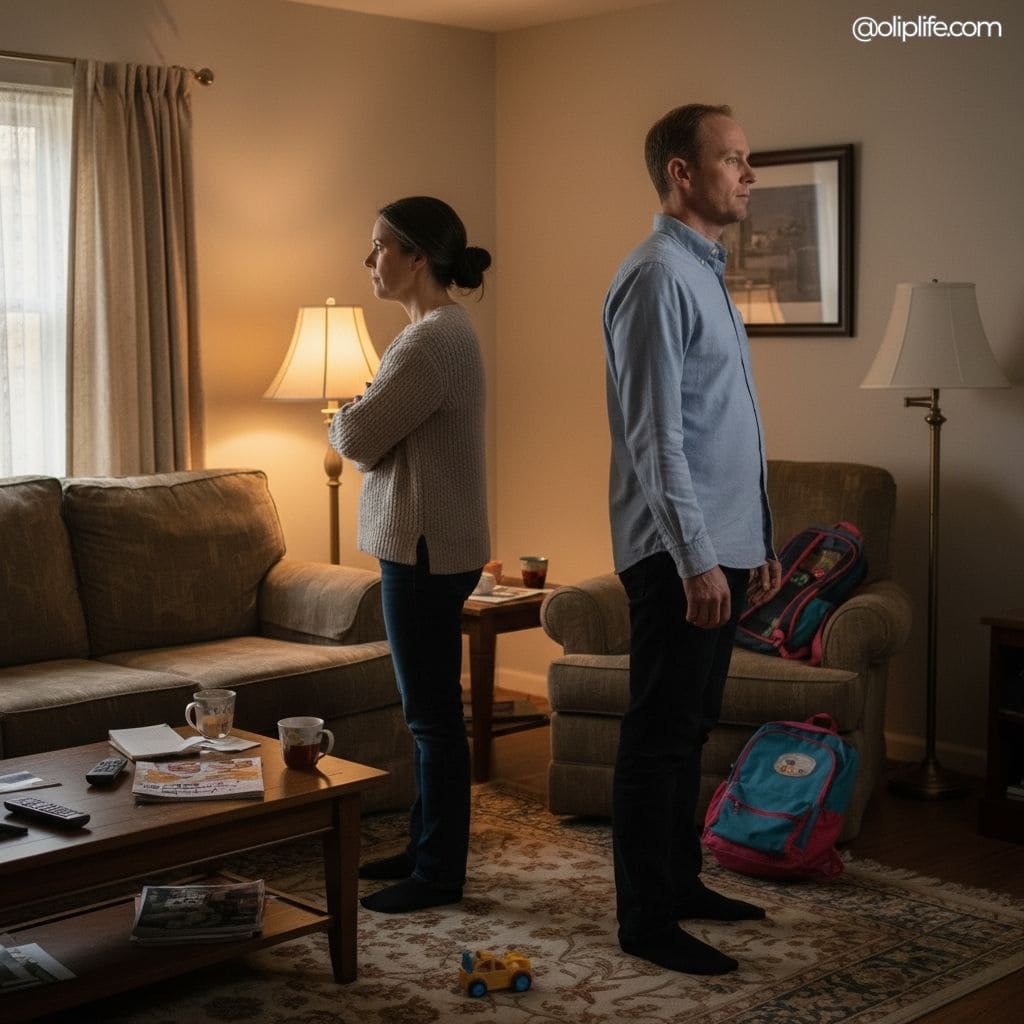
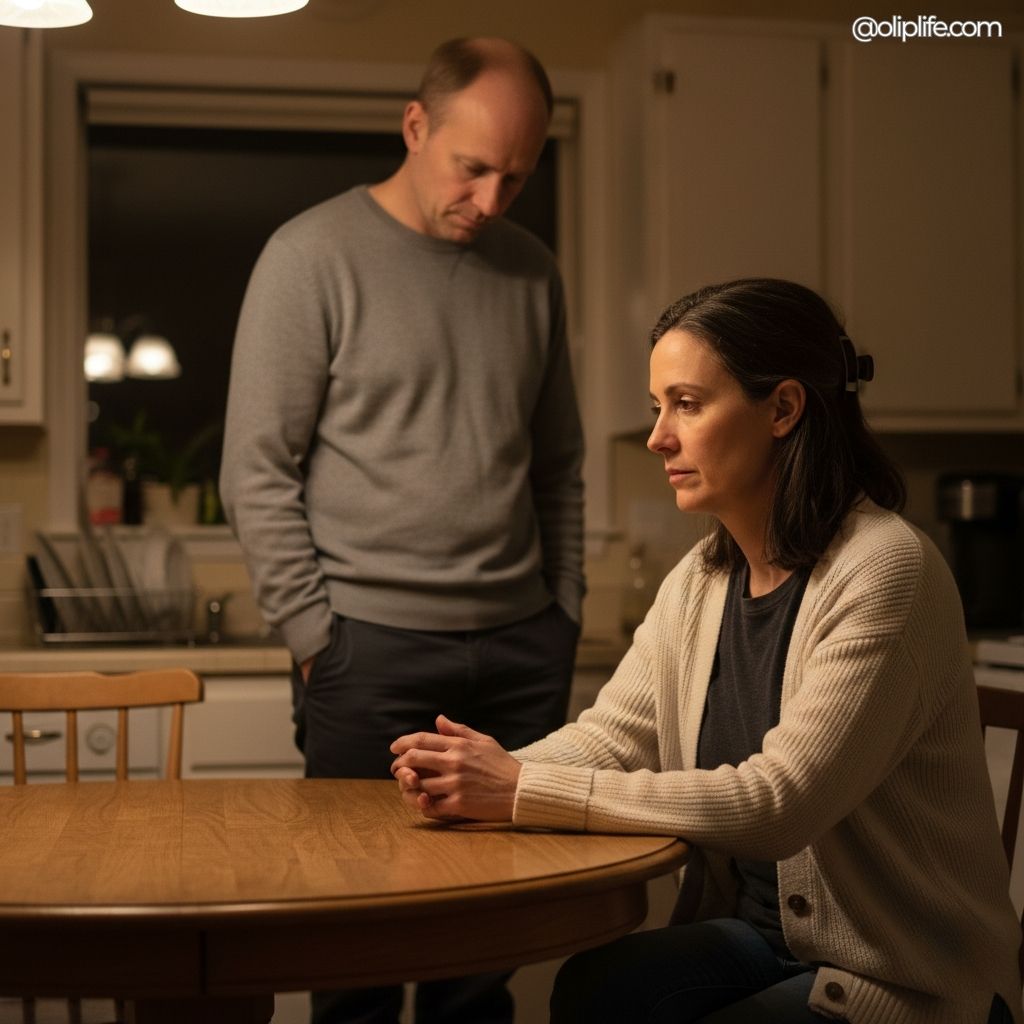
The argument itself was ordinary, almost forgettable.
One of the kids had a meltdown over something that seemed minor on the surface, a request that was reasonable, a boundary that had been clearly stated. Daniel wanted to hold firm and let the feelings pass. I wanted to step in sooner, soften the edge, and help regulate before things escalated.
We didn’t raise our voices. We didn’t accuse each other. We simply stood on opposite sides of the same moment, each convinced our response was the most supportive one.
And yet, the tension between us felt disproportionate.
This wasn’t a disagreement that should have lingered, but it did. It followed us into the evening, into silence, into that familiar emotional distance that neither of us liked but both recognized.
That was the first clue.
When a parenting conflict feels heavier than the situation warrants, it’s rarely about the situation.
The Invisible Baggage We Bring Into Parenting
Parenting doesn’t happen in a vacuum.
Every choice we make is filtered through our own experiences of being parented, whether we’re conscious of it or not. The things we react to most strongly are often the things that once left us feeling unsafe, unseen, or overwhelmed.
I grew up in a home where emotions were acknowledged, but not always held. You were allowed to feel, but you were also expected to move on quickly. Independence was praised. Needing help was tolerated, but subtly discouraged.
Daniel grew up in a home where structure mattered deeply. Predictability was safety. Rules existed for a reason, and following them was seen as a sign of respect, not compliance.
Neither upbringing was wrong.
But they shaped us in very different ways.
Why We React Before We Think
In moments of parenting conflict, we often react faster than we can reason.
When a child’s emotions rise, our nervous systems respond not just to the present moment, but to the memory of similar moments from our own past. We don’t always notice this happening because it feels like instinct, like intuition.
When I see a child struggling emotionally, something in me tightens. I remember what it felt like to be overwhelmed and expected to self-regulate too quickly. My instinct is to step in, to protect, to soften.
When Daniel sees the same struggle, something different activates. He remembers the stability that came from consistency, the reassurance of knowing boundaries would hold even when emotions surged. His instinct is to stay steady, to wait, to trust the process.
We are responding to the same child through entirely different emotional lenses.
And until we understood that, we kept arguing as if one of us was wrong.
How Childhood Scripts Play Out in Adult Conversations
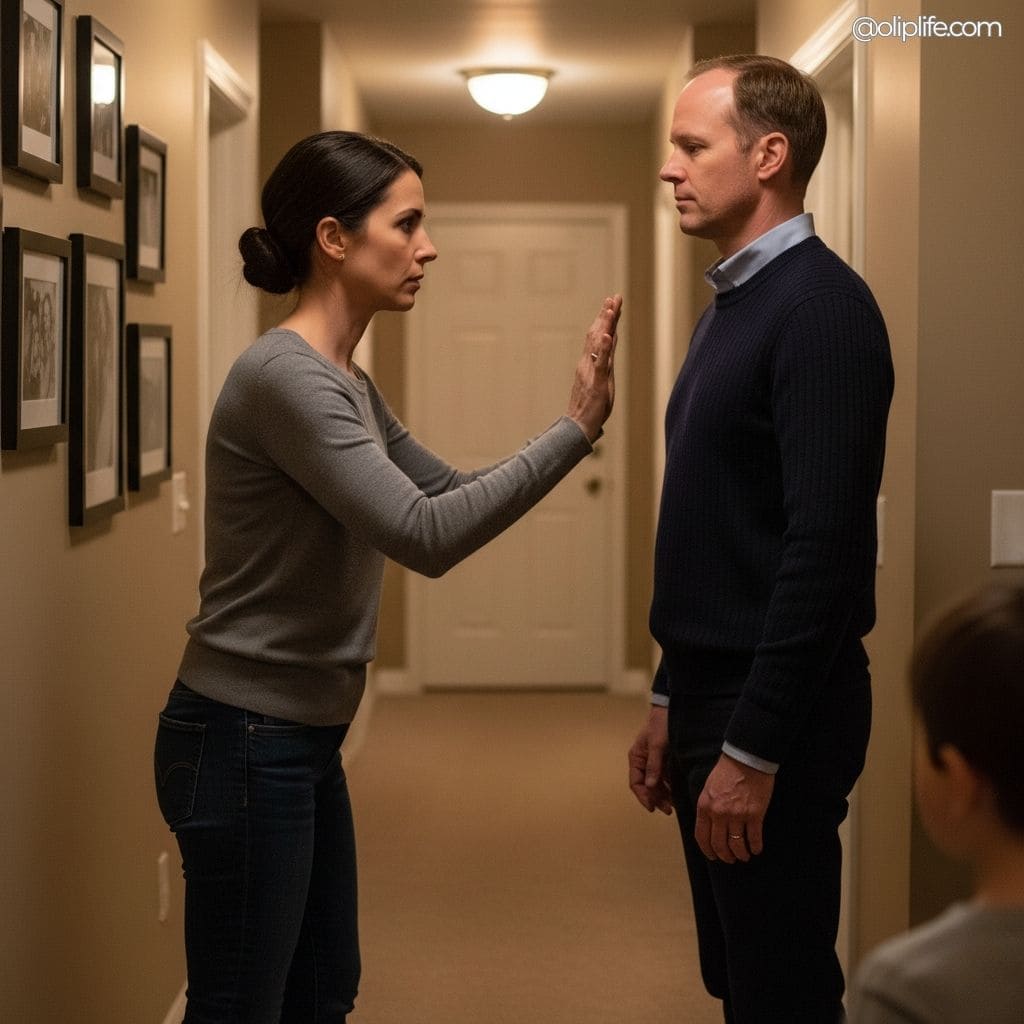
One of the most revealing shifts in our relationship came when we stopped debating strategies and started naming scripts.
Instead of saying, “You’re being too strict,” I began saying, “I think this is hitting something old for me.”
Instead of saying, “You’re rescuing too quickly,” Daniel began saying, “I think I’m worried about losing consistency.”
Those sentences changed the tone immediately.
They shifted the conversation from opposition to context.
Suddenly, we weren’t fighting over the best way to parent. We were comparing the emotional maps we had inherited.
Why These Conflicts Repeat Until They’re Named
Parenting conflicts shaped by childhood experience tend to repeat because they don’t resolve through compromise alone.
You can alternate approaches. You can split decisions. You can take turns leading. But if the emotional root of the disagreement remains unnamed, the tension resurfaces the next time a similar situation arises.
That’s because the conflict isn’t about what to do.
It’s about what feels safe.
And safety, especially emotional safety, is deeply personal.
The Moment We Realized Neither of Us Was the Problem
There was a turning point, not dramatic, but clarifying.
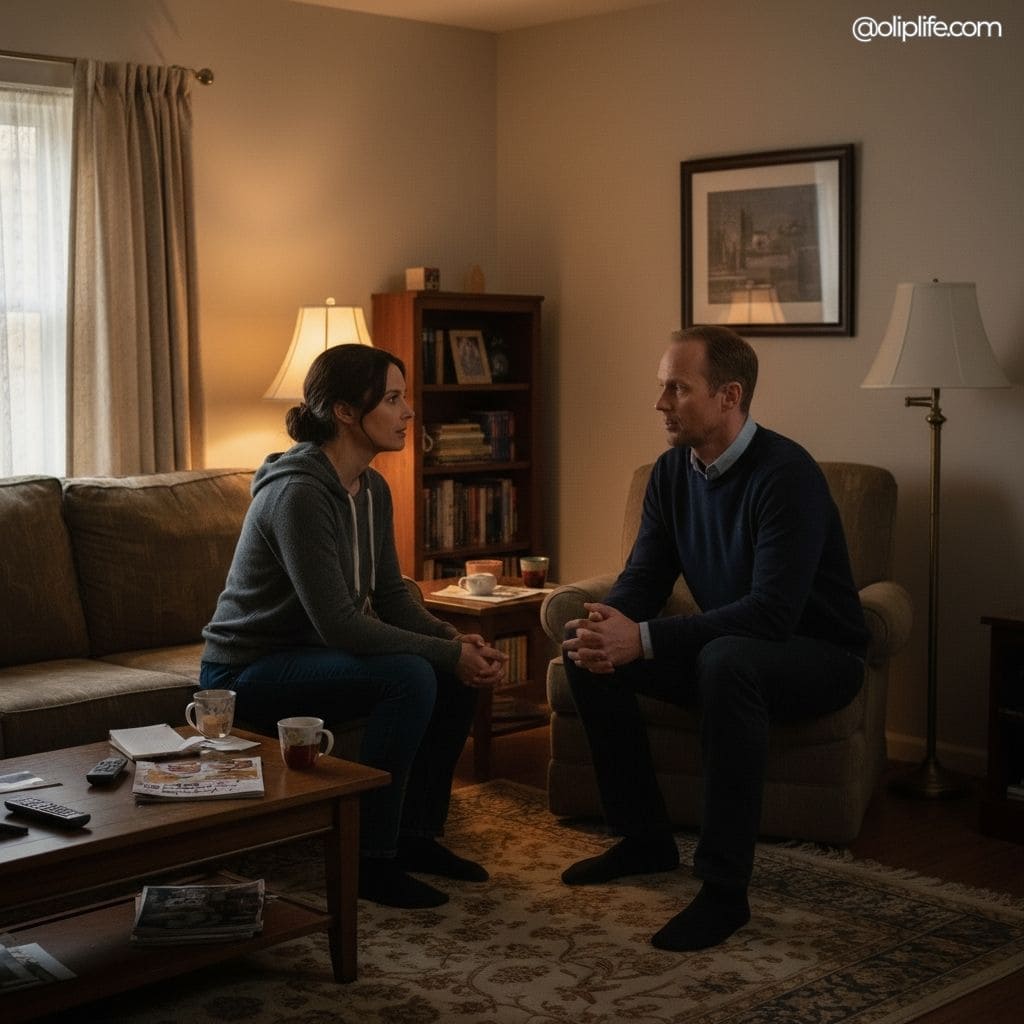
We were talking through yet another disagreement when Daniel said something that stopped me.
“I think when I hold the line, it’s because I’m afraid of chaos. And when you step in, you’re afraid of abandonment.”
Neither of us had framed it that way before.
Hearing it out loud shifted something fundamental.
We weren’t trying to undermine each other. We were trying to protect our children from experiences that had once hurt us.
Once that became clear, the argument lost its edge.
How This Awareness Changed Our Parenting
Understanding how our childhoods shaped our conflicts didn’t eliminate disagreement.
We still see things differently. We still have preferences. We still sometimes respond from habit rather than intention.
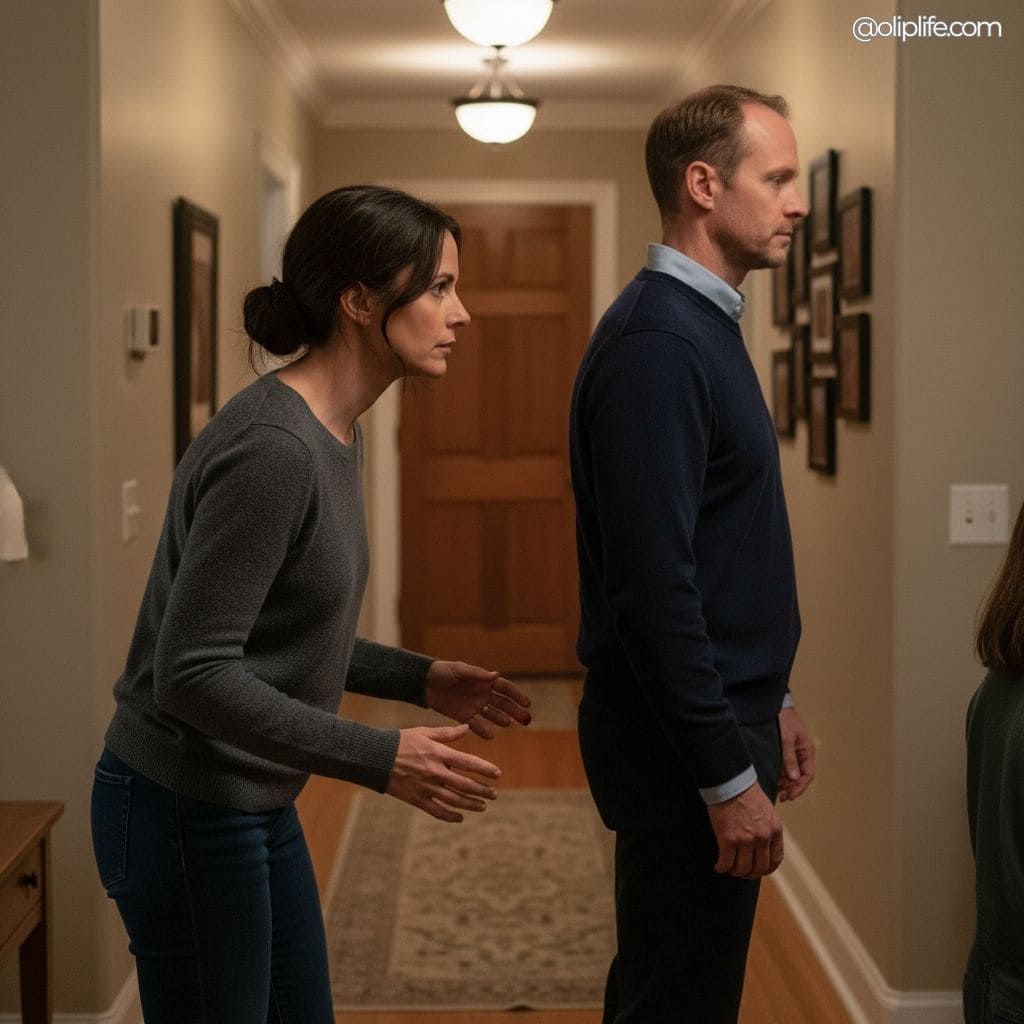
But the awareness softened our reactions to each other.
When Daniel holds a boundary, I’m less likely to interpret it as emotional distance. When I step in with empathy, he’s less likely to see it as inconsistency. We’ve learned to pause long enough to ask what fear or value might be driving the response.
That pause has become one of the most important tools in our parenting.
What the Kids Learn From This Dynamic
Children are remarkably perceptive.
They may not know the details of their parents’ childhoods, but they sense when adults are reacting from something deeper than the present moment. When those reactions clash, children often internalize the tension, believing it’s their behavior causing the conflict.
By naming and understanding our differences, we’ve reduced that burden.
The kids don’t need us to agree on everything. They need us to disagree without emotional fallout that feels confusing or destabilizing. When they see us talk through differences with curiosity rather than defensiveness, they learn that conflict doesn’t have to threaten connection.
The Danger of Ignoring These Differences
When parents ignore how their childhoods shape their reactions, a few things tend to happen.
Arguments become repetitive and unresolved.
Partners feel misunderstood and defensive.
Children sense tension without understanding its source.
Over time, this can create emotional distance between parents and reinforce patterns neither person consciously chose.
Naming the influence of childhood doesn’t mean blaming the past. It means acknowledging that history exists and matters.
What I Wish We Had Known Earlier
I wish we had known sooner that many of our parenting conflicts weren’t signs of incompatibility.
They were signs of depth.
They revealed the values we carried, the fears we still held, and the parts of ourselves that were activated by responsibility and love.
Understanding that didn’t make parenting easier.
It made it more honest.
Final Thoughts
How our different childhoods quietly shape our parenting conflicts is not something most parents are taught to examine.
We’re encouraged to focus on techniques, strategies, and outcomes, often without acknowledging the emotional inheritance we bring into the role.
But parenting is as much about unlearning as it is about teaching.
When parents take the time to understand the stories shaping their reactions, they gain the ability to respond rather than react, to collaborate rather than compete, and to parent from intention rather than instinct alone.
Those shifts don’t just reduce conflict.
They create a family environment where differences are understood, not feared, and where children learn that love can hold complexity without breaking.
And that lesson, learned quietly over time, becomes one of the most enduring gifts we pass on.