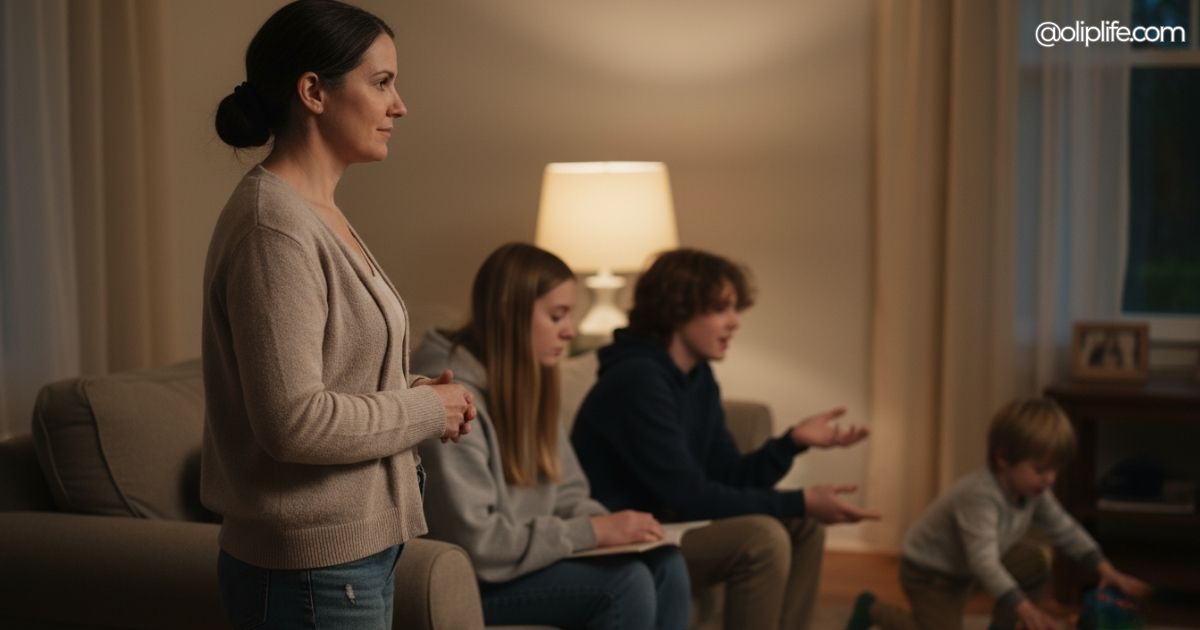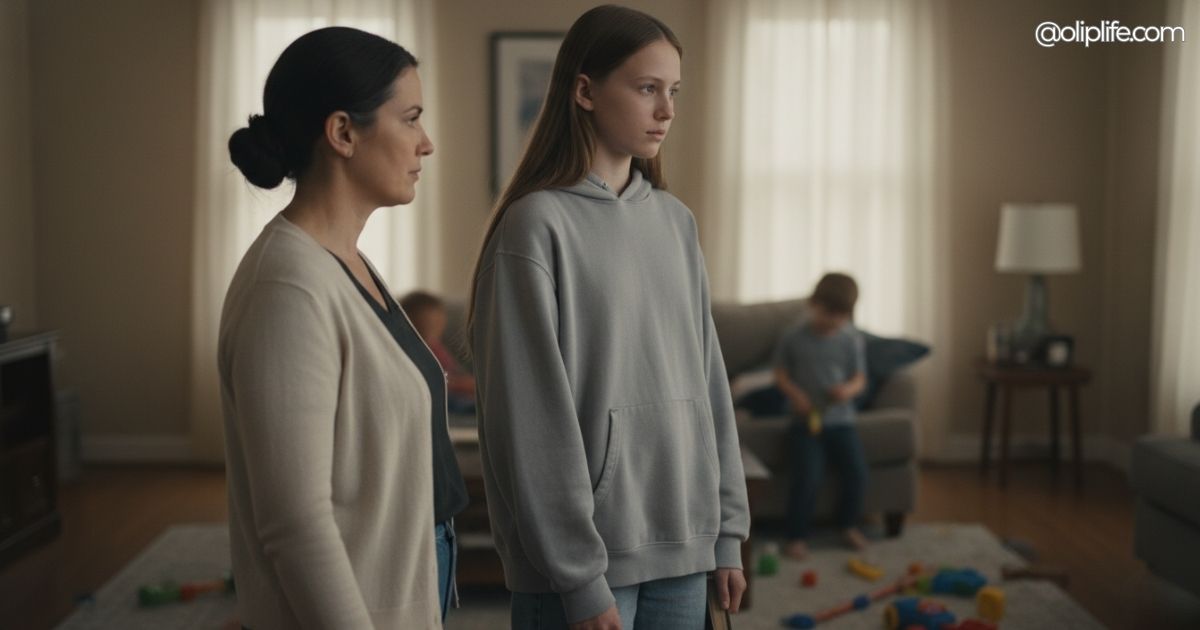
No one ever said it out loud.
There was no conversation where Daniel and I labeled one of our children as “easy,” no moment where we agreed that one required less attention or effort than the others. If you had asked me directly, I would have denied it immediately. I would have told you that all children are different, that each one has their own needs, that we try to meet them fairly and thoughtfully.
And yet, somewhere along the way, one child quietly became the easy one anyway.
Not because of temperament alone. Not because of superior coping skills. And certainly not because parenting them required less care. It happened through small, ordinary moments layered over time, through unspoken adjustments and subtle rewards that accumulated until a role took shape without anyone intending to create it.
I didn’t notice it until the contrast became impossible to ignore.
The Child Who Didn’t Take Up Much Space
Lucy was never invisible.
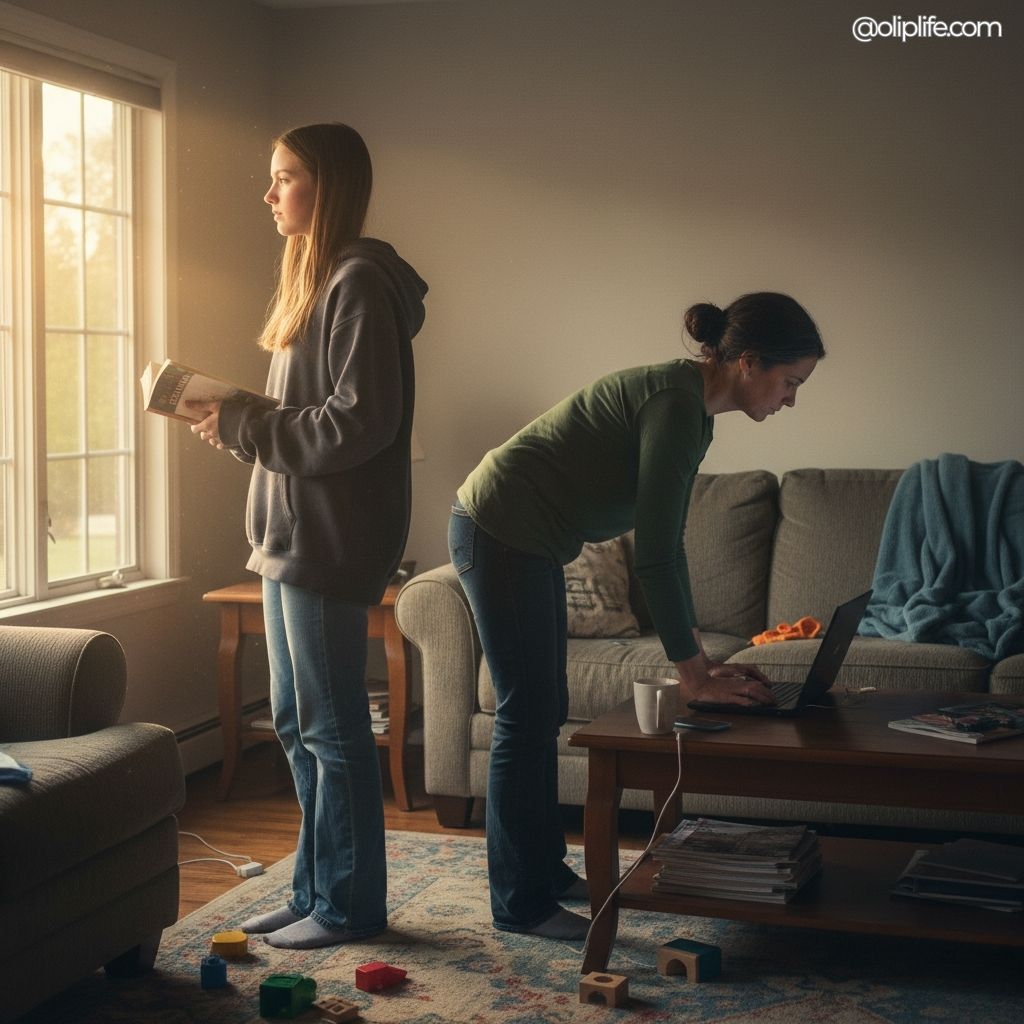
She spoke up when she needed to. She had opinions. She expressed preferences. But she did something that made life smoother for everyone around her, especially for us as parents. She sensed when the room was already full.
When tension rose, she softened.
When schedules tightened, she adapted.
When someone else was struggling, she stepped back.
She learned early how to read emotional weather, how to assess what the moment could tolerate, and how to adjust herself accordingly. That skill looked like maturity. It looked like emotional intelligence. It looked, to adults, like ease.
When Lucy handled disappointment quietly, I praised her resilience. When she waited patiently while we dealt with a sibling’s meltdown, I thanked her for being understanding. When she said, “It’s okay, I can wait,” I felt relief, not concern.
None of those responses were wrong.
But together, they sent a message I hadn’t intended.
How “Easy” Is Often Reinforced
The thing about an easy child is that they make parenting feel manageable in moments when it otherwise wouldn’t.
They don’t escalate when things are already hard. They don’t demand attention when resources are thin. They often accept explanations without argument and adapt to changes without protest.
As parents, especially tired ones, we respond to that ease instinctively.
We lean into it.
We rely on it.
We trust it.
We ask the easy child to wait just a little longer, to understand just a little more, to manage just a little better. We do it because they can. We do it because they have. We do it because nothing bad seems to happen when we do.
At least not immediately.
The Contrast That Made It Visible
I didn’t start questioning this dynamic until I noticed how differently I responded to the same situation depending on which child was involved.
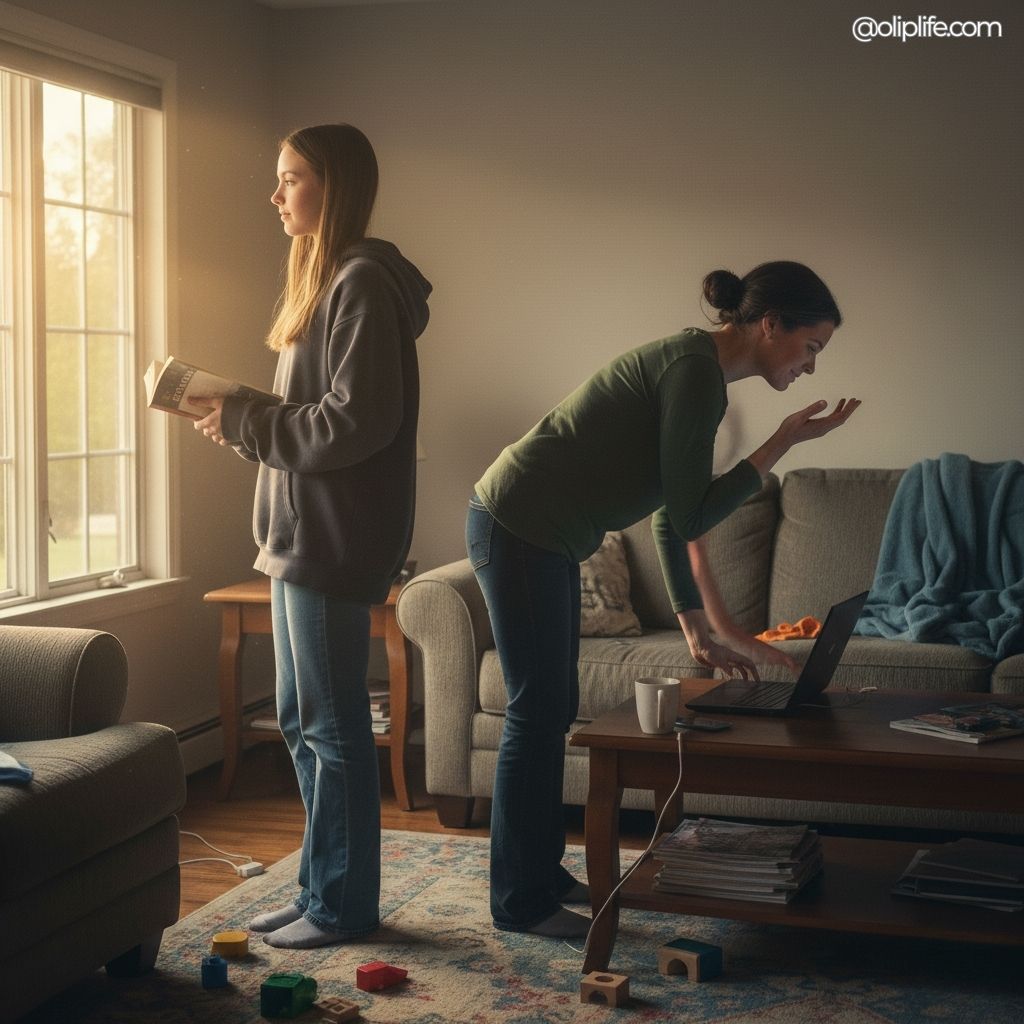
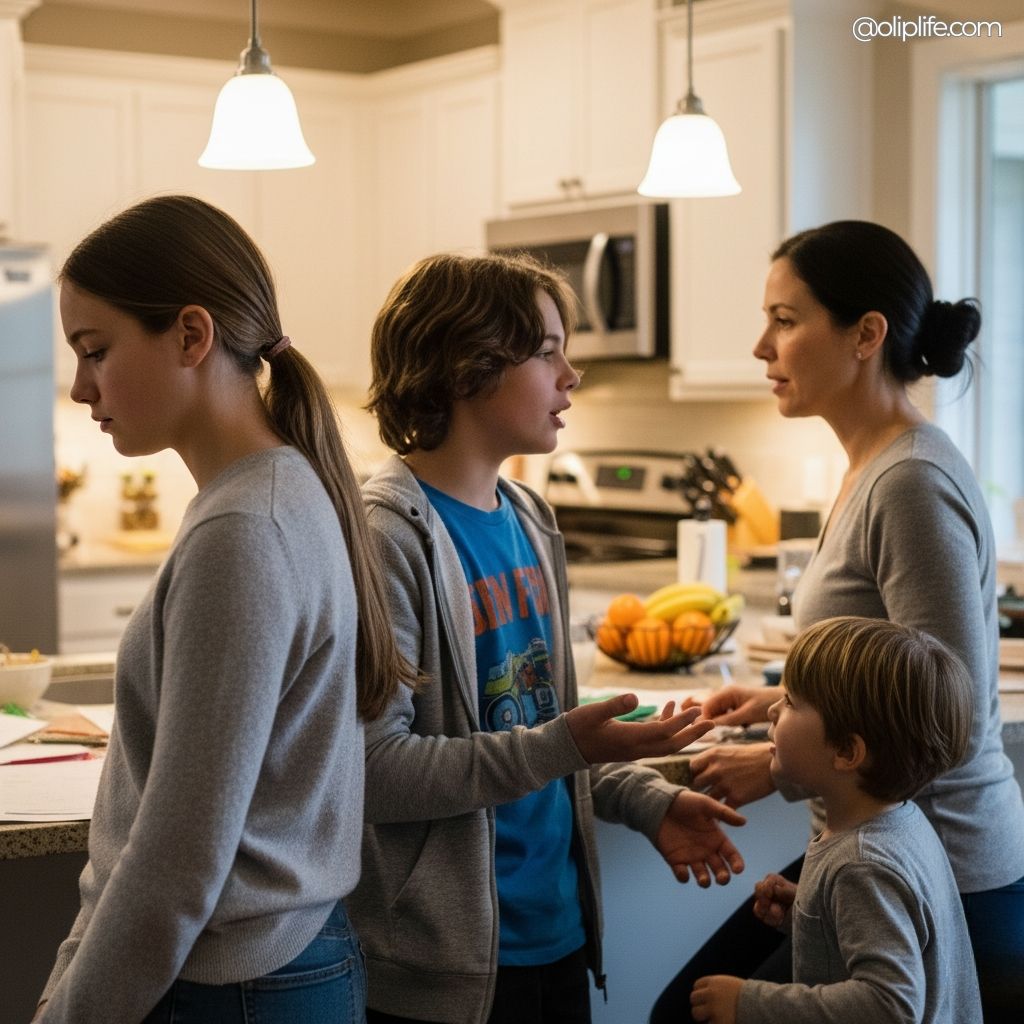
When Ben protested a change in plans, I braced myself and prepared to explain. When Owen melted down, I shifted into regulation mode without hesitation. But when Lucy went quiet, I assumed she was fine.
Her silence felt like confirmation.
It took a long time for me to understand that silence isn’t the same thing as comfort, and adaptability isn’t the same thing as ease.
Lucy wasn’t struggling less. She was struggling privately.
The Moment the Role Became Clear
The realization came during a conversation that wasn’t meant to be revealing.
We were talking about something small, a minor disappointment that had come and gone weeks earlier. Lucy mentioned it casually, not as a complaint, but as an observation. She said she hadn’t brought it up at the time because everyone else already seemed stressed.
The sentence was simple.
The implication was not.
She had assessed the emotional capacity of the room and decided her own feelings were less important than maintaining stability.
She didn’t say this with bitterness. She said it with competence.
That was what frightened me.
How Roles Form Without Intention
Children don’t take on roles because parents assign them.
They take them on because they work.
Being the easy one works because it keeps things calm. It earns praise. It reduces conflict. It creates a sense of belonging through helpfulness and emotional restraint.
And parents, without realizing it, often reinforce the role because it makes family life function more smoothly in the short term.
We thank the child for understanding.
We praise them for being flexible.
We lean on them because they don’t push back.
Over time, those responses teach a powerful lesson.
Your needs are negotiable.
Your emotions are manageable.
Your role is to adapt.
Again, none of this is conscious. But children are exceptional pattern-recognizers.
They notice what gets rewarded.
The Hidden Cost of Being Easy
The cost of being the easy one doesn’t show up immediately.
It shows up later, in hesitation. In self-doubt. In the habit of checking the emotional temperature of a room before speaking. In the instinct to minimize one’s own needs to avoid disruption.
Easy children often grow into capable, thoughtful people.
They also grow into adults who struggle to identify when something is too much, because they learned early that coping quietly was expected.
That realization forced me to confront something uncomfortable.
I had benefited from Lucy’s adaptability without fully recognizing the weight it placed on her.
How I Had Misread Maturity
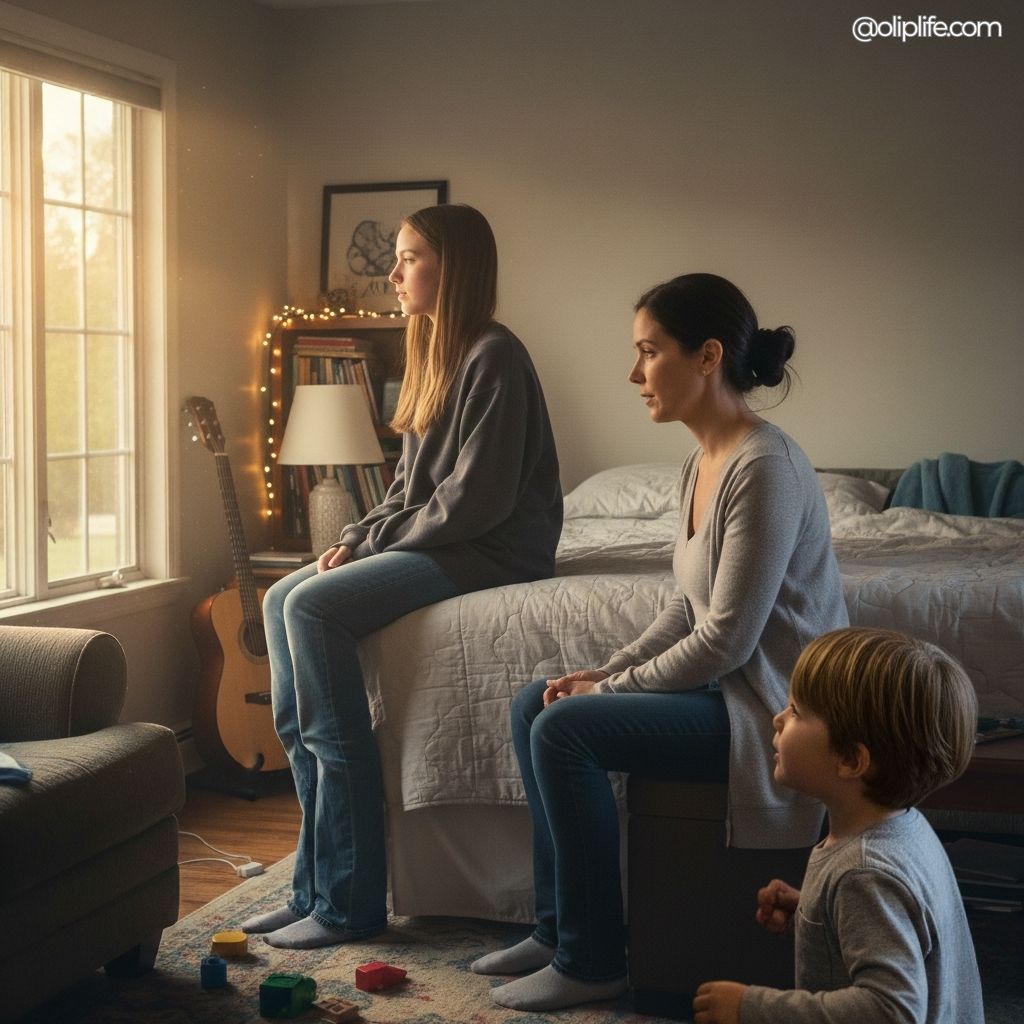
I had mistaken Lucy’s emotional restraint for emotional readiness.
Because she didn’t escalate, I assumed she didn’t need support. Because she didn’t protest, I assumed she agreed. Because she adapted quickly, I assumed she recovered easily.
In reality, she was simply efficient at containing herself.
Once I saw that, I had to change how I responded.
What Changed When I Adjusted My Parenting
The shift didn’t happen through a single conversation or a dramatic course correction. It happened through smaller, quieter changes.
When Lucy went quiet, I stopped assuming she was fine and started checking in gently, without urgency or pressure. When she adapted quickly, I resisted praising her for it and instead acknowledged what she had adjusted away from. When she said she was okay, I learned to ask, “Okay now, or okay later?”
I also became more conscious of how often I leaned on her competence.
Just because a child can handle something doesn’t mean they should have to.
What Happened When the Role Loosened
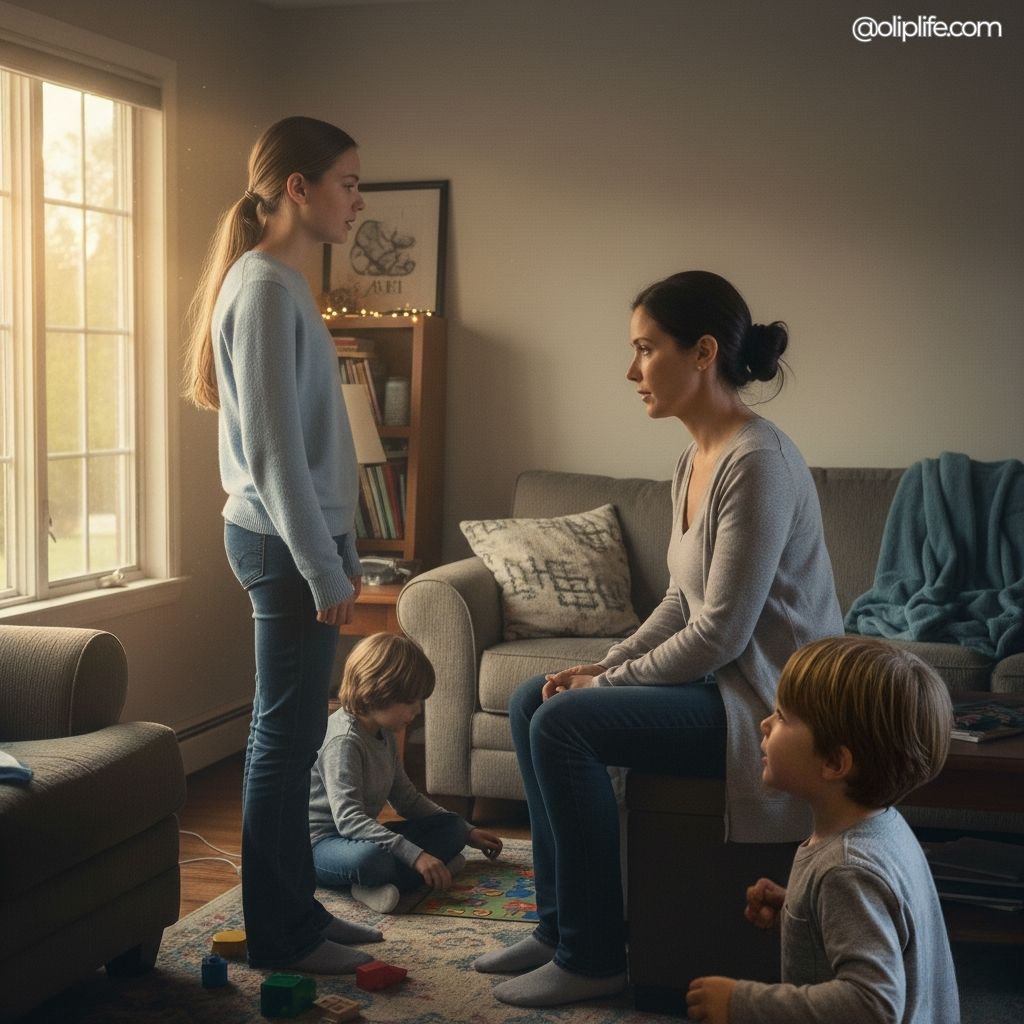
As the role of “easy” loosened, Lucy didn’t become difficult.
She became more honest.
She expressed disappointment sooner. She admitted frustration without apology. She allowed herself to take up emotional space even when it complicated the moment slightly.
And the world didn’t fall apart.
In fact, our family became more balanced.
Ben didn’t have to carry the role of challenger alone. Owen didn’t have to be the sole outlet for overwhelm. Emotional responsibility became more evenly distributed.
What I Know Now
Looking back, I understand that every family has dynamics that form quietly, without intention or discussion.
The problem isn’t that these roles exist. The problem is when they go unnoticed long enough to harden into identity.
The easy child isn’t easier because they need less.
They are easier because they’ve learned how to make things easier for everyone else.
Final Thoughts
How one child became the easy one without anyone deciding it is not a story about favoritism or failure.
It’s a story about adaptation, reinforcement, and the invisible rules families create in the name of survival.
When parents slow down enough to notice which child adapts first, which child waits longest, and which child absorbs the most emotional tension, they gain the opportunity to rebalance the system.
Not by taking competence away from the easy child, but by giving them permission to be fully human.
Ease should never come at the cost of being seen.
And noticing that truth, even later than we wish we had, is one of the most meaningful repairs a family can make.