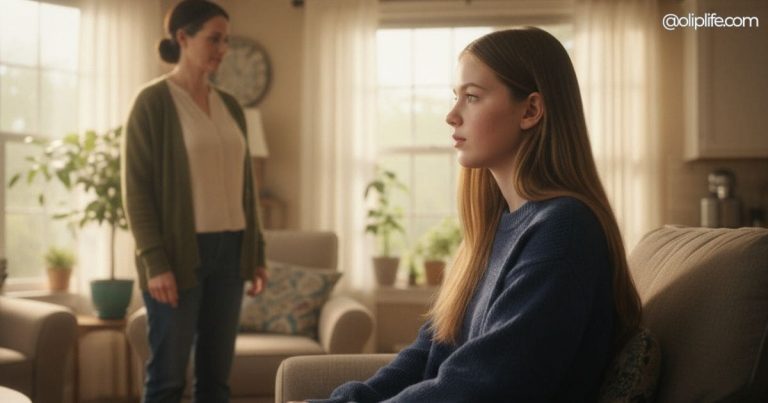
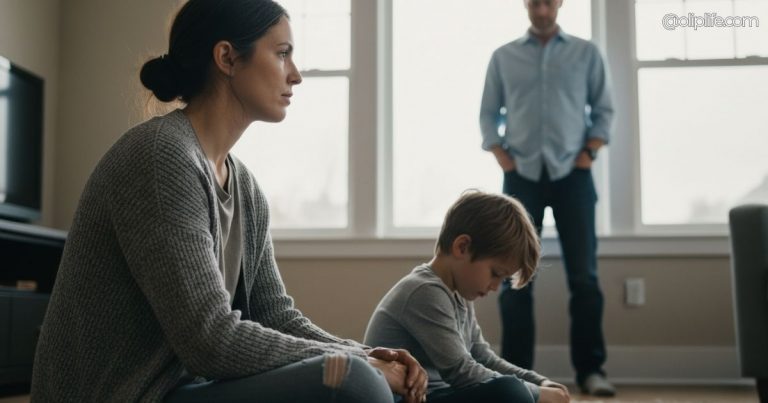
The Day I Stopped Expecting Immediate Calm After Conflict
For a long time, I believed calm was the proof that a conflict had been handled well. If voices lowered quickly, if tears stopped soon enough, if everyone returned to what they were doing without visible tension, I told myself we had done it right. Calm felt like the finish line. It signaled closure. It…
For a long time, I believed calm was the proof that a conflict had been handled well.
If voices lowered quickly, if tears stopped soon enough, if everyone returned to what they were doing without visible tension, I told myself we had done it right. Calm felt like the finish line. It signaled closure. It reassured me that nothing had been damaged beyond repair.
What I didn’t understand was how often that calm was performative, borrowed, or premature, especially for children whose bodies and emotions move at a very different pace than adult logic.
The day I stopped expecting immediate calm after conflict didn’t arrive with a dramatic argument or a parenting breakthrough moment. It arrived quietly, through exhaustion, observation, and one interaction that forced me to admit I had been confusing silence with resolution.
The Argument That Ended Too Quickly
The conflict itself was ordinary.
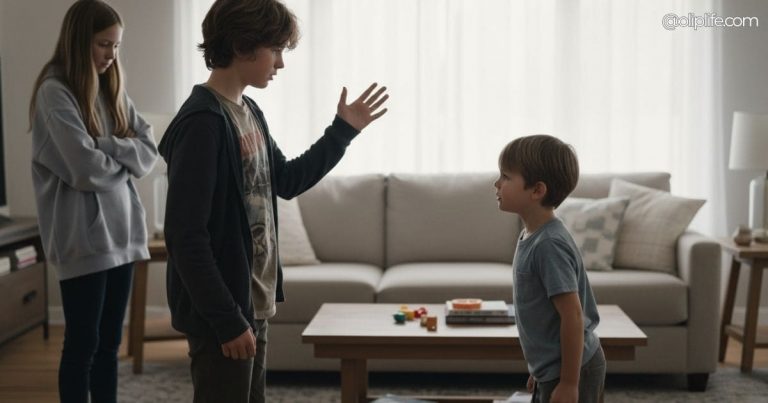
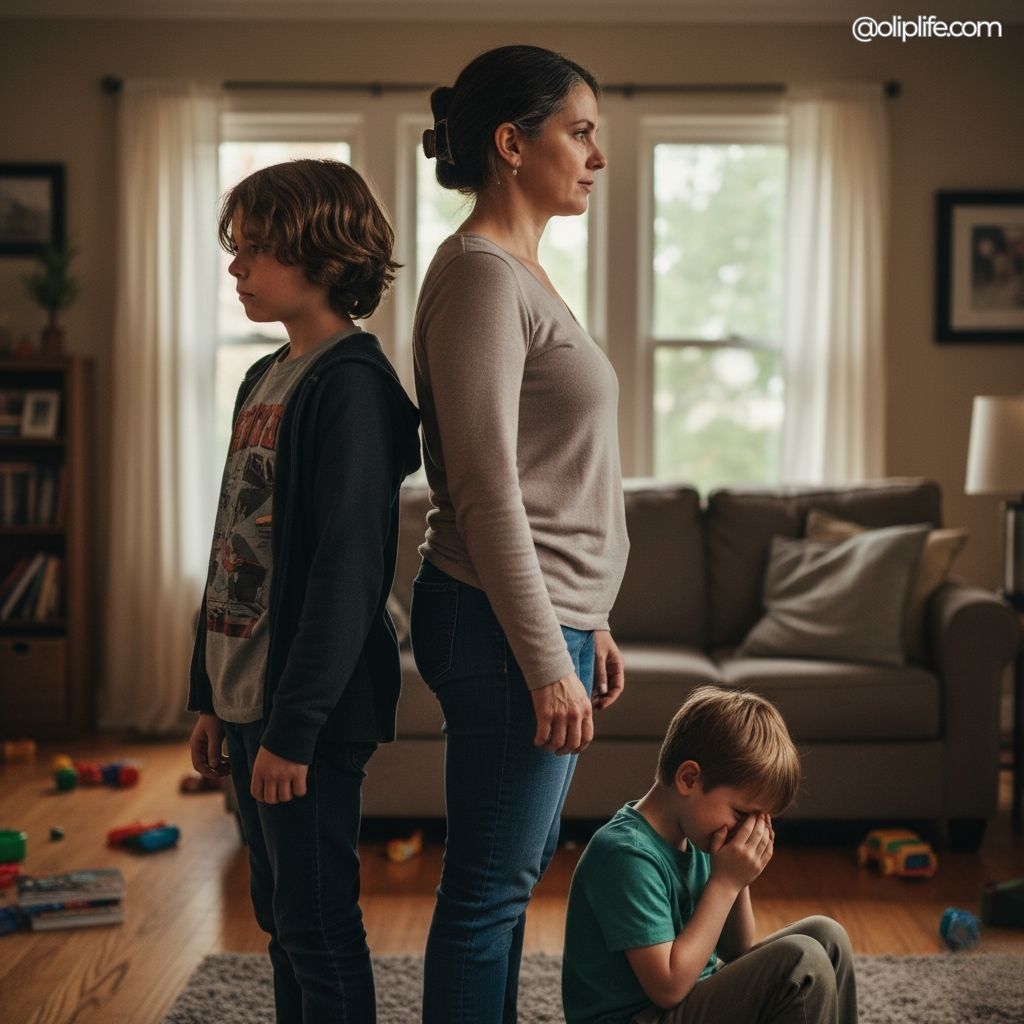
Ben and Owen had been arguing over space, not an object or a rule, but the invisible boundary of who was allowed to exist loudly where. It escalated in the predictable way it always did. Words sharpened. Bodies moved closer. Frustration rose.
I stepped in, firm but controlled, separating them and naming what needed to stop. They complied. The argument ended. No yelling. No consequences beyond separation. No prolonged tension.
From the outside, it looked like success.
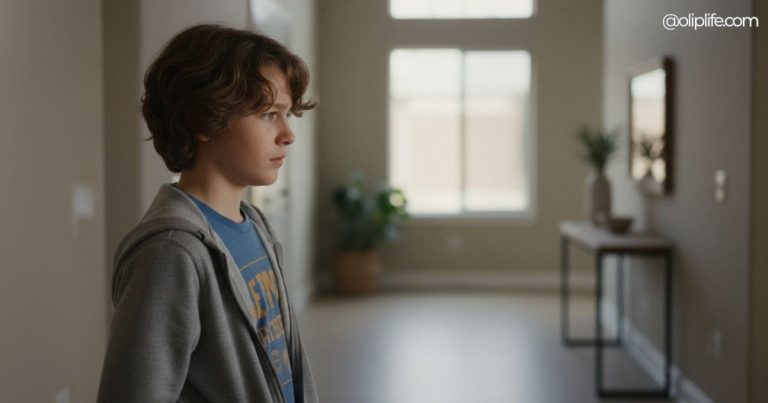
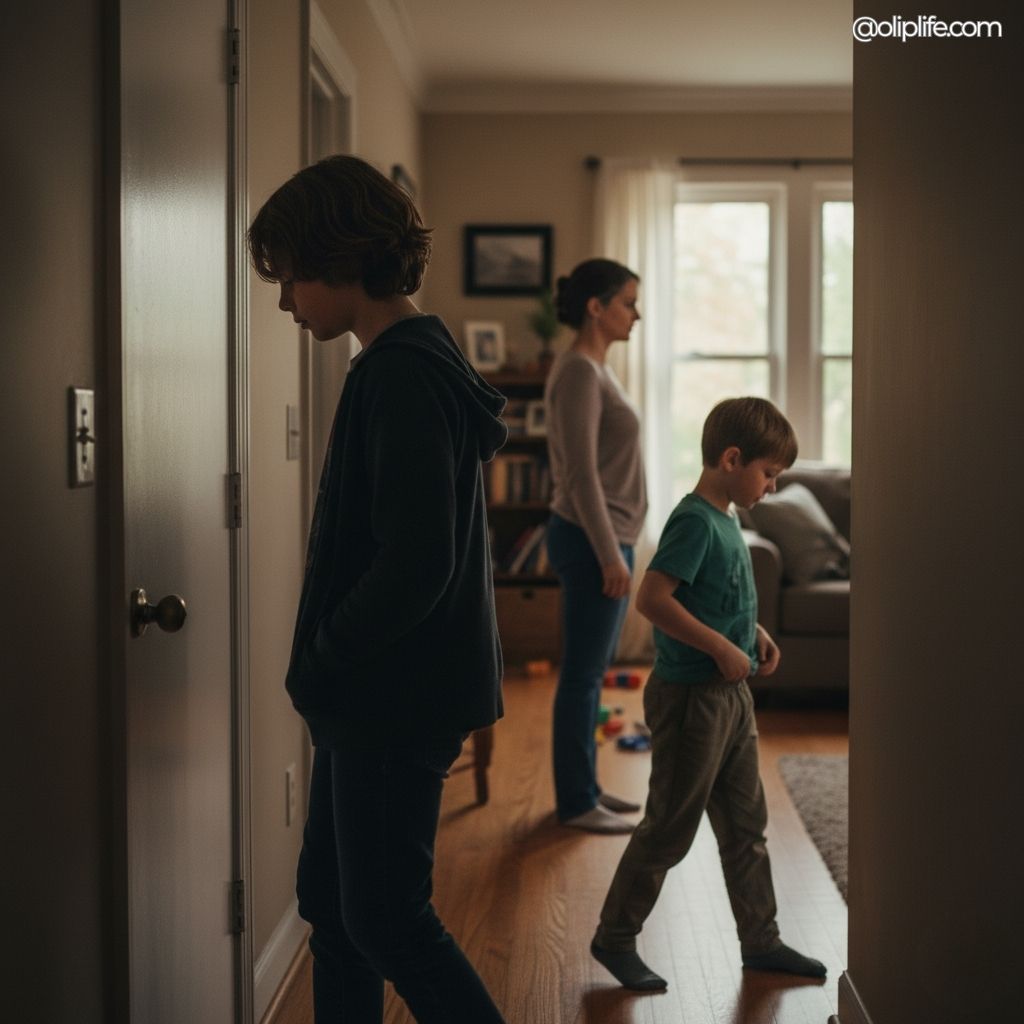
Ben went quiet and retreated to his room. Owen sat on the floor, sniffling, then eventually wandered off to play. The house settled back into stillness.
And yet, something felt unresolved.
The calm came too fast.
I noticed it in the way Ben avoided eye contact later that evening, polite but distant, as if staying neutral was safer than engaging. I noticed it in Owen’s restlessness at bedtime, his body unable to settle despite the absence of obvious distress.
They were calm.
They were not regulated.
The Assumption I Had Been Making
I realized, slowly and uncomfortably, that I had been expecting my children to arrive at calm on my timeline, not theirs.
As an adult, I can move from conflict to composure relatively quickly, especially when the conflict feels manageable and contained. I have years of experience overriding emotional surges in favor of social expectations. I know how to compartmentalize, how to self-soothe silently, how to tell myself that something is over even when it hasn’t fully settled inside me yet.
My children do not have those skills fully developed.
And yet, I was measuring their recovery using adult standards.
I was ending conflicts efficiently and assuming the emotional work was complete simply because the external behavior had stopped.
That assumption shaped everything.
What Calm Actually Looks Like for Children
Calm, for children, is not just the absence of visible distress.
It’s a felt sense of safety returning to the body. It’s the nervous system gradually stepping out of fight-or-flight and back into something softer, something more flexible. That process takes time, especially when the conflict involved power, fairness, or perceived rejection.
Ben didn’t need the argument to end. He needed time to reorganize his thoughts and feelings without being rushed toward forgiveness or neutrality.
Owen didn’t need the situation fixed. He needed help settling his body after the surge had passed.
What they both needed was space to move through the aftermath without being expected to perform recovery.
The Moment I Let the Quiet Stretch
The next conflict came sooner than I would have liked.
This time, when it ended, I resisted the urge to smooth everything over. I didn’t ask anyone to apologize immediately. I didn’t push for eye contact or verbal reassurance. I didn’t insist on talking it through while emotions were still hovering just beneath the surface.
I let the quiet stretch.
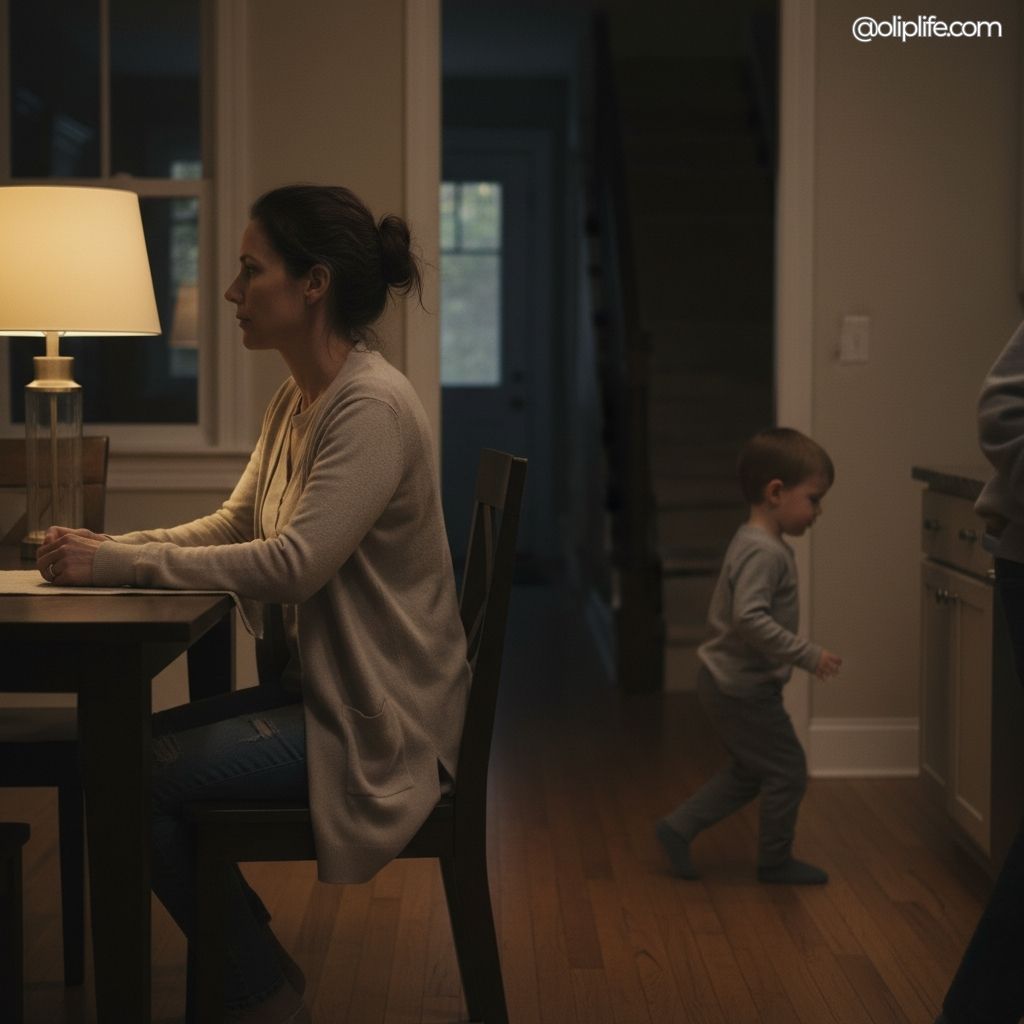
Ben stayed in his room longer than usual. Owen lingered nearby, moving restlessly between activities. The house felt slightly off, not tense exactly, but unsettled in a way that made me uncomfortable.
That discomfort was the point.
I was sitting with unresolved emotion instead of rushing to eliminate it.
What Happened When I Slowed Down
Something shifted in the hours that followed.
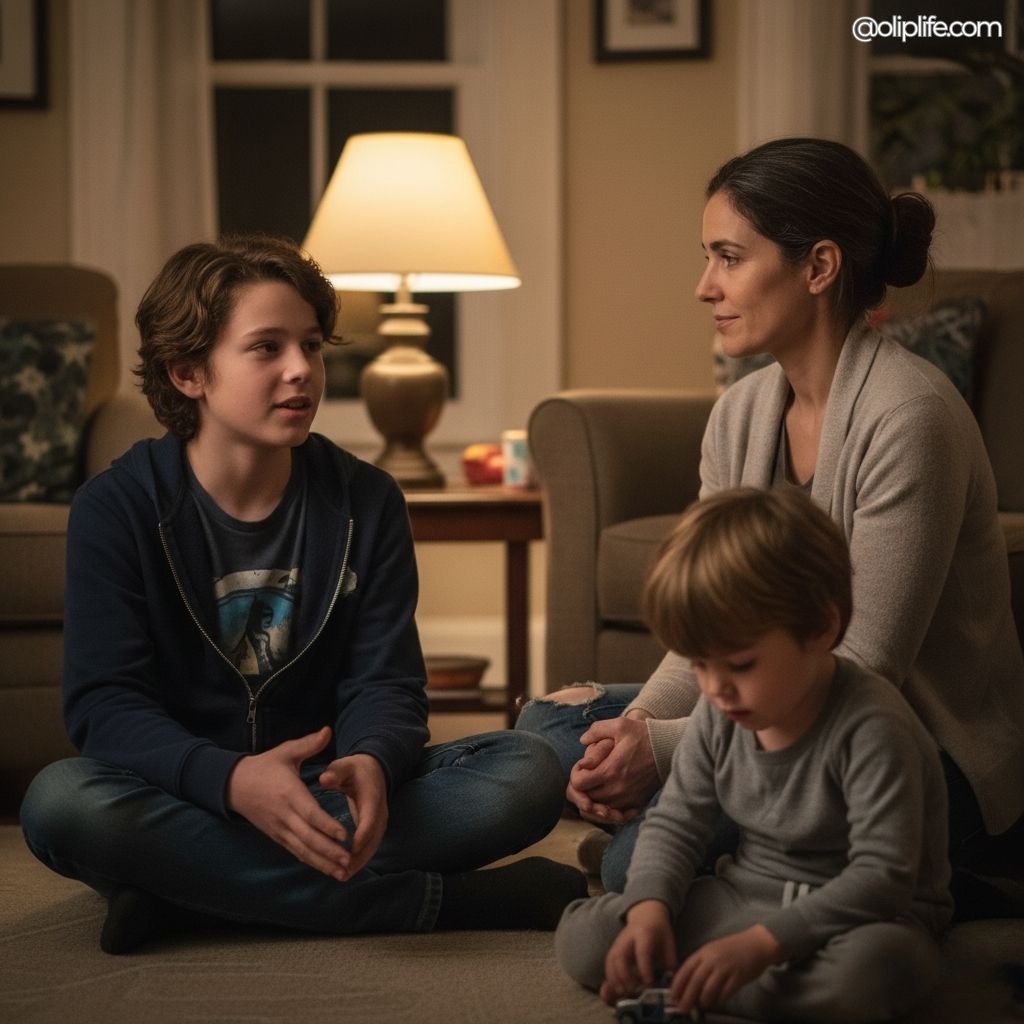
Ben eventually came downstairs on his own and began explaining what had frustrated him, not defensively, but thoughtfully, as if the space had allowed his thoughts to organize themselves. He wasn’t asking for a verdict. He was sharing perspective.
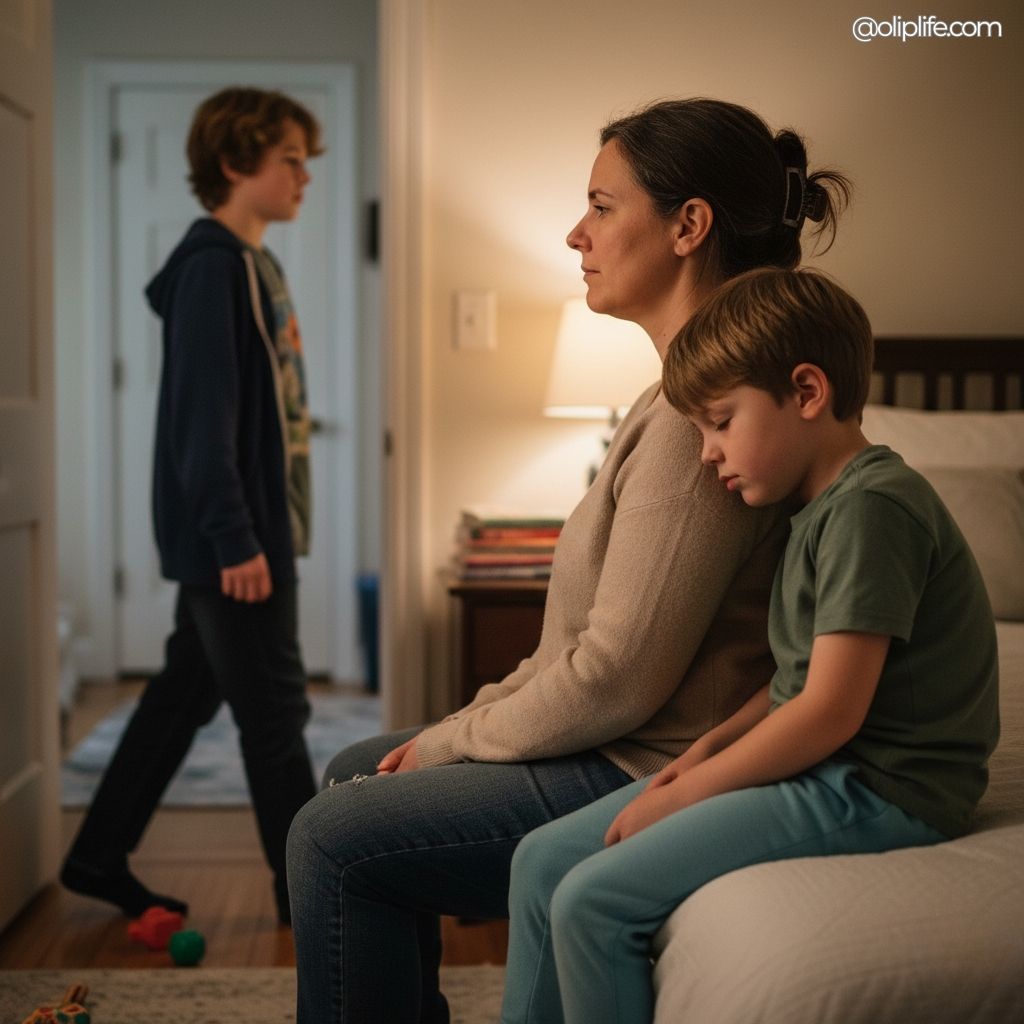
Owen, later that night, asked for extra physical closeness, curling into me more tightly than usual at bedtime. His body softened gradually, not because the conflict had disappeared, but because it had been given room to settle.
Neither of these moments would have happened if I had pushed for immediate calm.
They required time.
Why Rushing Calm Backfires
When parents expect immediate calm after conflict, children learn to prioritize appearance over experience.
They learn to quiet themselves before they feel settled.
They learn to suppress reactions that feel inconvenient.
They learn that emotional recovery is something to perform rather than process.
Over time, this can lead to children who appear well-regulated but struggle internally, children who comply quickly but carry unresolved emotion forward into the next interaction.
I realized I had been unintentionally teaching my children that calm mattered more than honesty.
That was not the lesson I wanted to pass on.
The Difference Between Resolution and Regulation
One of the most important distinctions I’ve learned since then is the difference between resolving a conflict and regulating after it.
Resolution addresses what happened.
Regulation addresses how it felt.
You can resolve a conflict quickly and still leave nervous systems activated. You can also allow regulation to happen slowly and find that resolution comes more naturally afterward.
When I stopped expecting immediate calm, I stopped treating regulation as something to hurry through and started treating it as something to support.
What Supporting Regulation Looked Like in Practice
Supporting regulation didn’t require elaborate strategies or emotional speeches.
It meant allowing silence without interpreting it as defiance.
It meant accepting distance without framing it as disrespect.
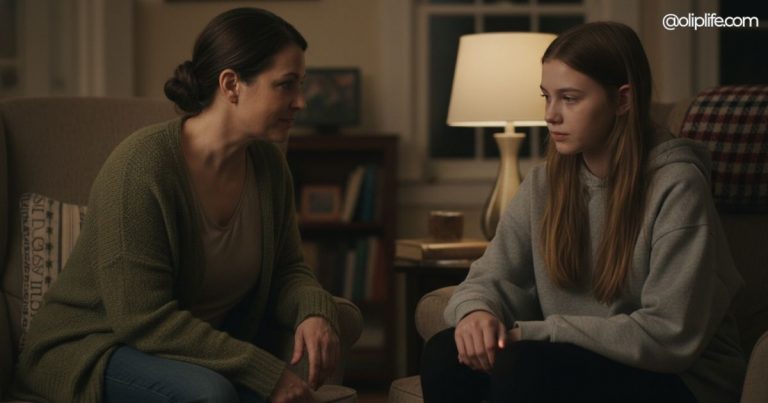
It meant offering connection without demanding engagement.
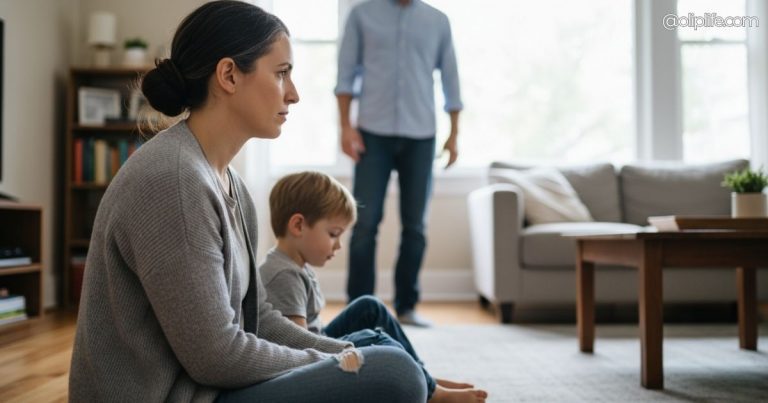
Sometimes that looked like sitting nearby without talking. Sometimes it looked like postponing a conversation until the next day. Sometimes it looked like acknowledging that things still felt unsettled and trusting that they would eventually soften.
The key was patience.
How This Changed the Tone of Our Home
Over time, something subtle but meaningful changed.
Conflicts didn’t disappear, but their aftermath felt less brittle. Recovery felt more organic. The kids stopped rushing to appear fine and started trusting that there was space to feel unsettled without consequences.
I noticed fewer delayed meltdowns, fewer passive-aggressive interactions, fewer moments where calm returned on the surface but tension lingered underneath.
By letting calm arrive on its own timeline, I created conditions where it could actually take root.
The Part I Had to Unlearn
The hardest part of this shift was unlearning my own discomfort with unresolved emotion.
I had grown accustomed to equating quiet with success. Letting emotional residue linger felt like failure at first, as if I were allowing chaos to remain in the house longer than necessary.
What I learned instead was that emotional processing is not chaos.
It’s work.
Work that happens internally, invisibly, and at a pace that cannot be forced.
Final Thoughts
The day I stopped expecting immediate calm after conflict, I didn’t become a more permissive parent or a less involved one.
I became a more patient one.
I learned to trust that my children’s nervous systems know how to recover when given time, safety, and space. I learned that calm is not something to demand, but something to support.
Most importantly, I learned that the goal after conflict is not silence or compliance, but genuine regulation, the kind that leaves children feeling steadier, understood, and capable of moving forward without carrying unresolved weight.
Calm that arrives slowly is often more honest than calm that appears on cue.
And in our home, that understanding has made all the difference.