The pattern was there long before I had language for it.
It lived in the rhythm of our days, in the way certain moments always seemed to unfold the same way, even when the details changed. It showed up often enough to feel familiar but quietly enough that I never stopped to question it. I told myself this was just family life, just personalities rubbing against each other, just the normal friction of raising three children with different temperaments under one roof.
What finally exposed the pattern wasn’t a crisis or a dramatic conflict.
It was a single, ordinary situation that landed three entirely different ways.
The Moment That Broke the Illusion
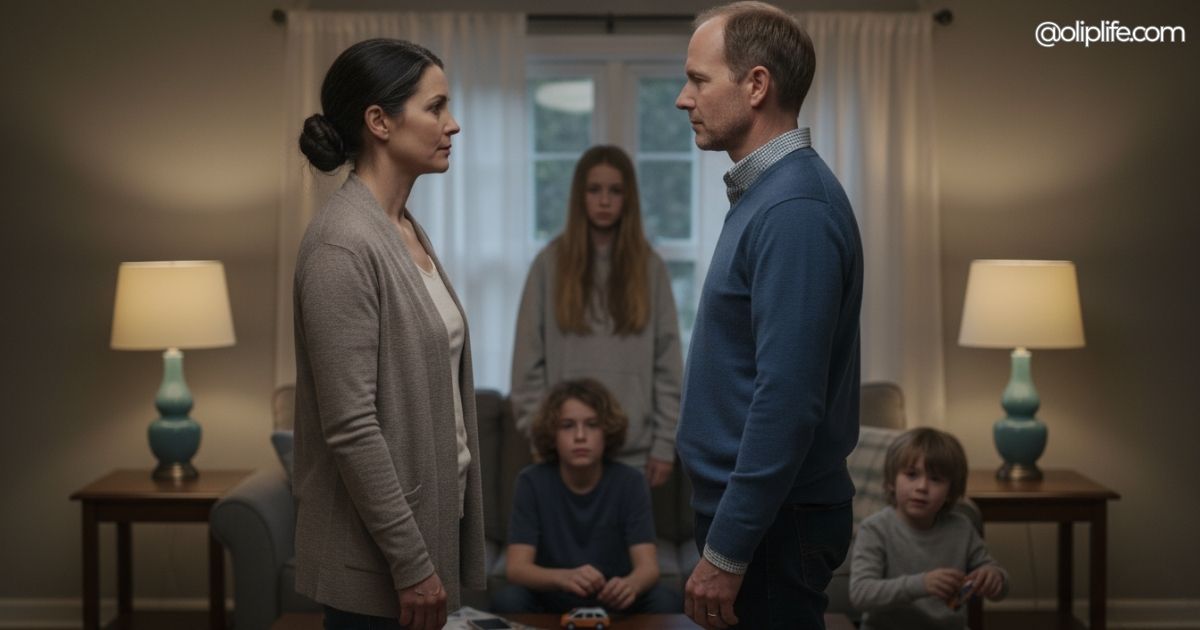
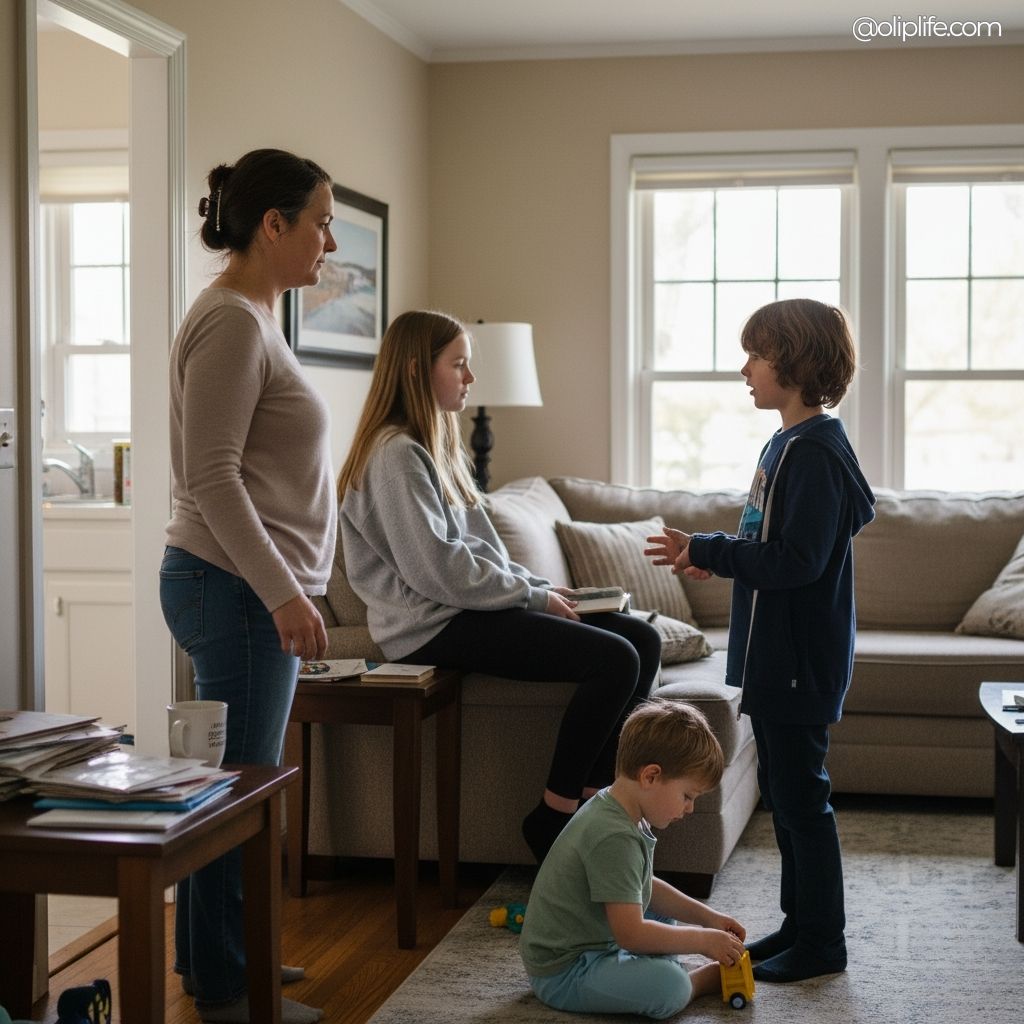
The situation itself was mundane. A last-minute change of plans, the kind parents make without much thought. Dinner was going to be later than expected. No emergency, no explanation beyond logistics, no warning beyond a quick announcement delivered while I was already multitasking.
I expected mild annoyance at worst.
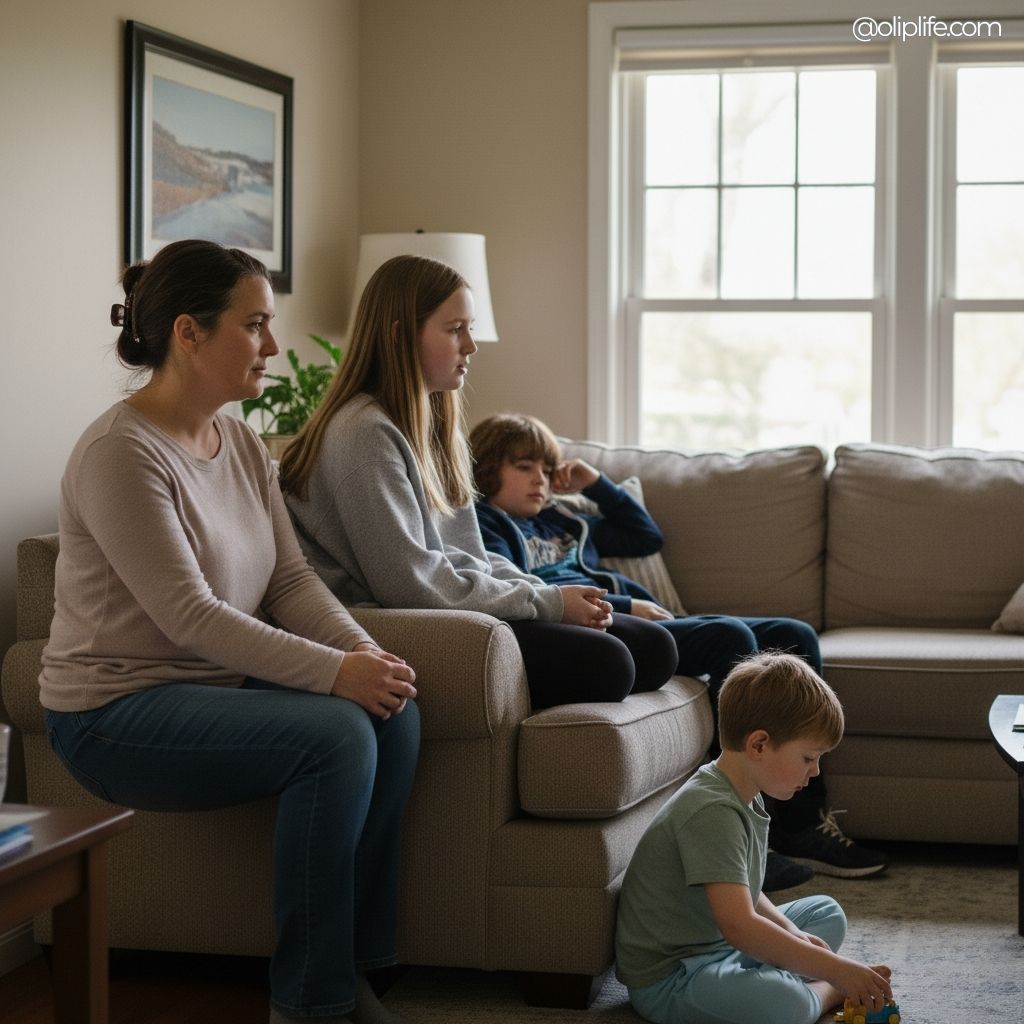
Instead, I watched three reactions unfold in real time, each one clear, distinct, and deeply revealing.
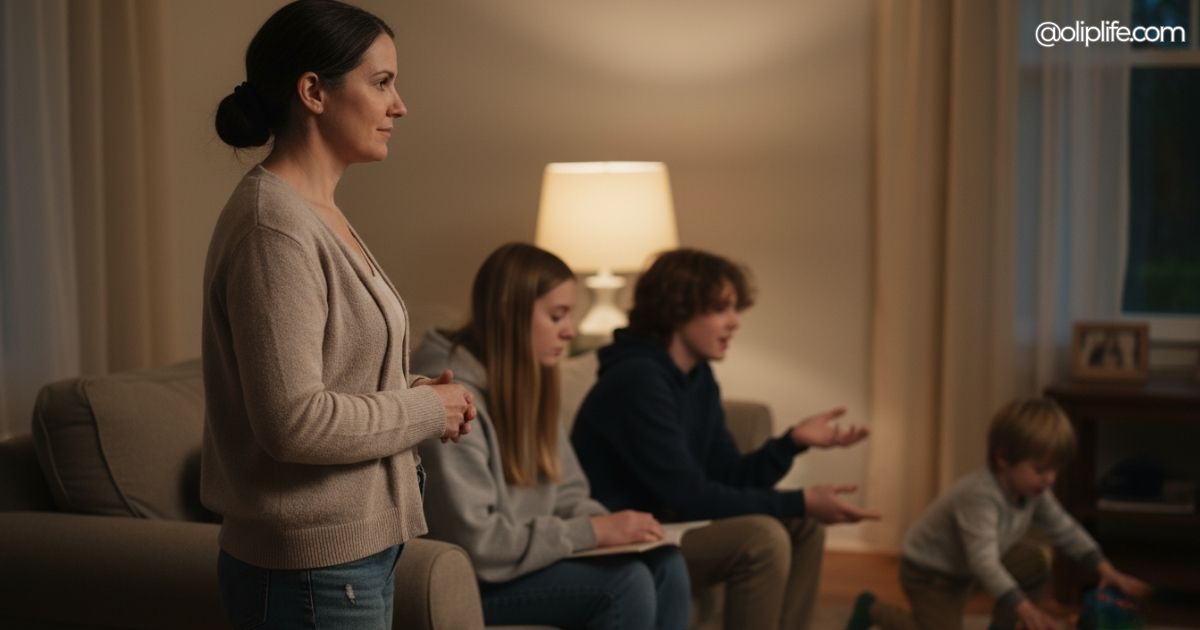
Lucy went quiet.
She didn’t complain or ask questions. She simply adjusted herself, retreating into stillness as if shrinking her needs would make the situation easier for everyone else. She picked up a book she wasn’t really reading and avoided eye contact, signaling competence and self-containment in a way that looked like maturity but felt like something else if you watched closely.
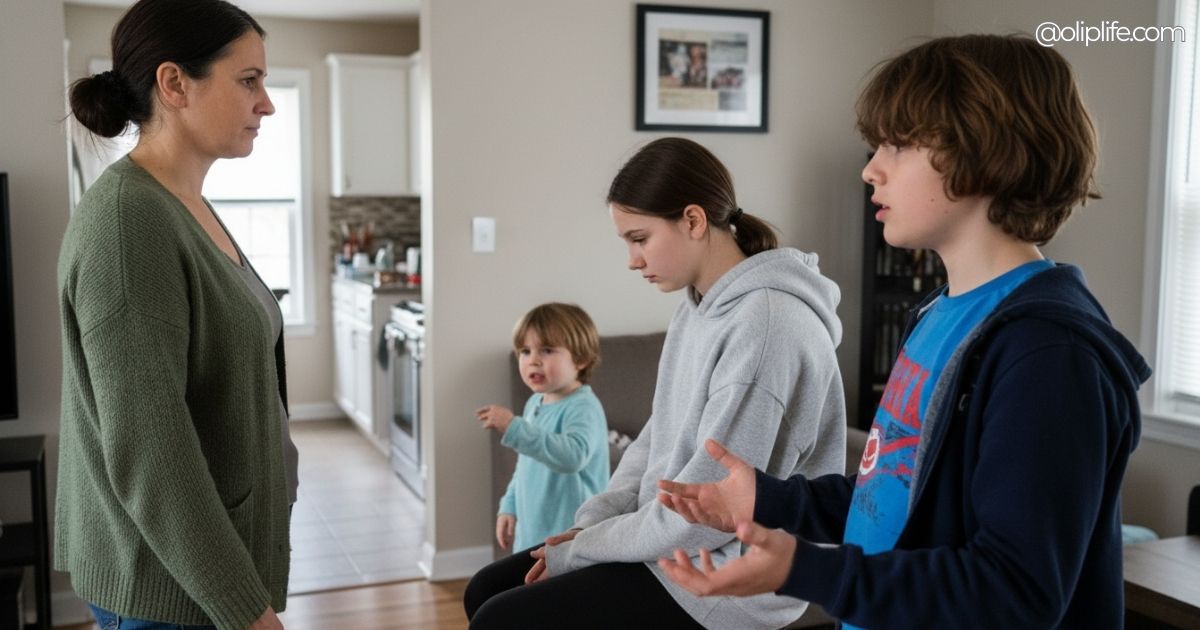
Ben reacted verbally.
He wanted to know why the plan had changed, why this hadn’t been communicated earlier, and why the inconvenience should simply be accepted without discussion. His questions came quickly, layered with logic and frustration, not because he wanted to argue, but because unpredictability unsettled him and fairness mattered deeply.
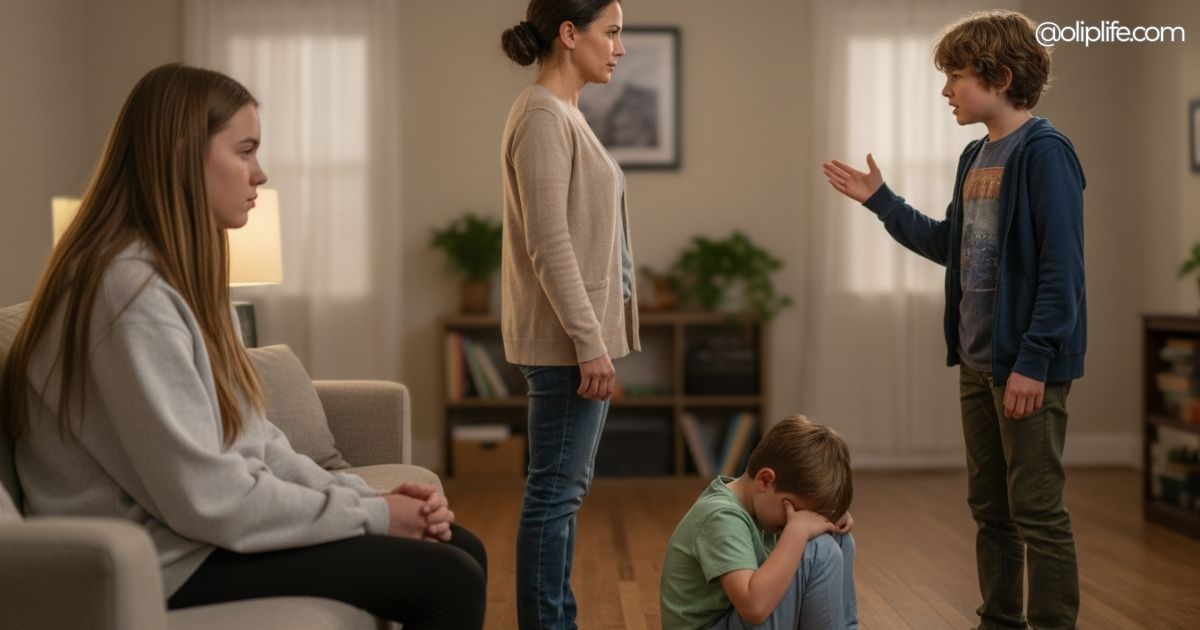
Owen reacted physically.
His body responded before his words could catch up. Restlessness turned into agitation, agitation into tears. Hunger, uncertainty, and overstimulation collided, and his nervous system did exactly what it had learned to do under those conditions.
Three children. One change.
Three completely different responses.
And suddenly, I could see something I had missed for years.
The Pattern Wasn’t in Their Behavior
My first instinct, the familiar one, was to respond to each reaction separately.
Check on Lucy.
Answer Ben.
Calm Owen.
That’s what I would normally do, and that’s what I started doing out of habit.
But this time, something slowed me down.
Because as different as their reactions looked on the surface, there was a shared thread underneath them that I hadn’t noticed before.
Each child was responding to the same unspoken family rule.
The rule was never stated. It was never agreed upon. But it shaped our household all the same.
The rule was this: when plans change, adapt quickly and don’t make it harder for everyone else.
No one had taught this rule explicitly. It had formed naturally over time, reinforced by stress, schedules, and the quiet urgency of getting through busy days.
And each child had learned how to survive within that rule in their own way.
How Each Child Adapted to the Same Expectation
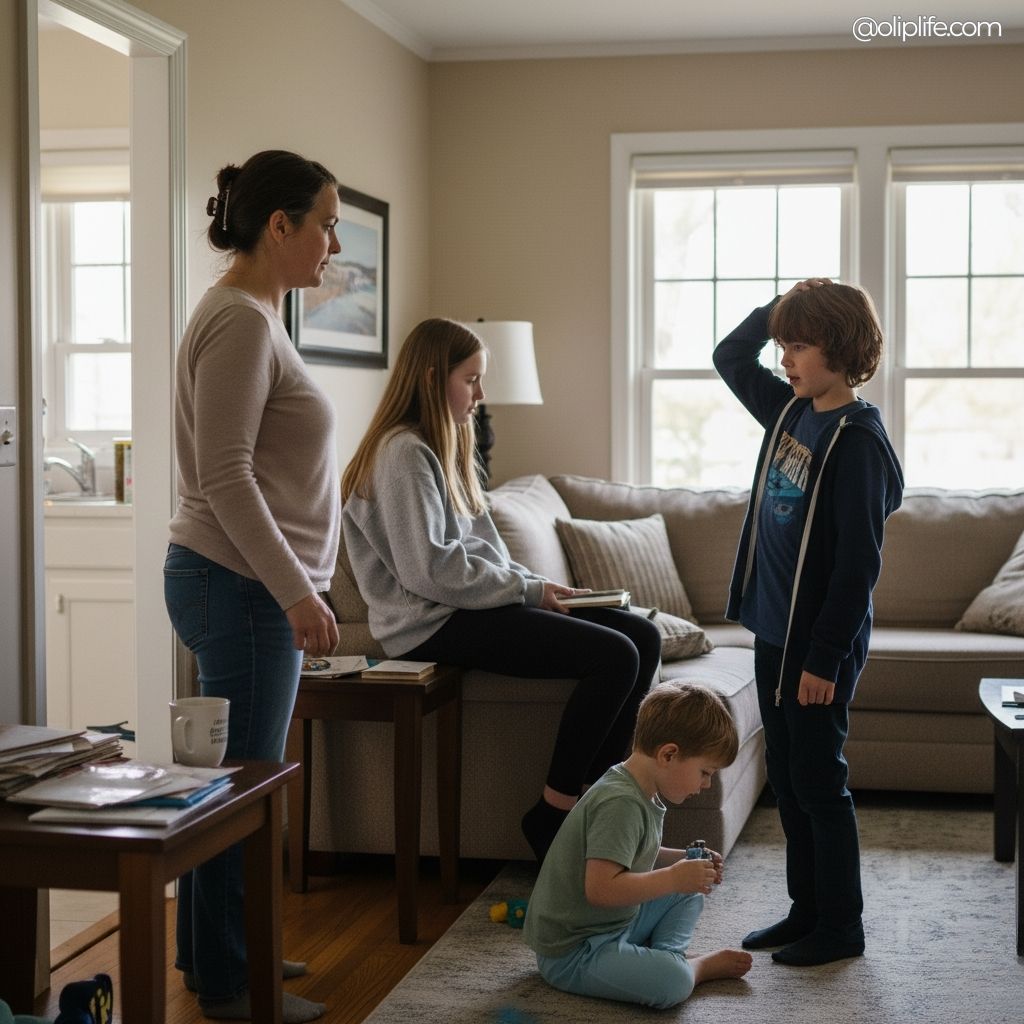
Lucy adapted by minimizing herself.
She learned that the easiest way to maintain harmony was to need less, say less, and take up less space emotionally when things felt off. Her quiet wasn’t passivity. It was strategy. It was the skill of sensing when the room couldn’t hold more and adjusting accordingly.
Ben adapted by challenging the rule.
He questioned it because he needed it to make sense. He pushed against it verbally, trying to renegotiate the terms so they felt fair and predictable. His resistance wasn’t defiance. It was a search for clarity in a system that often moved too fast for his comfort.
Owen adapted by expressing what the rule demanded he suppress.
He didn’t yet have the capacity to override his body’s response, so the discomfort spilled out physically. His reaction wasn’t manipulation. It was communication without language.
What struck me was that none of these responses were random.
They were consistent. Practiced. Logical.
They were the product of a shared environment, not individual flaws.
The Part I Had Missed as a Parent
The uncomfortable truth was this: I had been responding to each child as if they were creating separate problems, when in reality they were revealing the same one.
I was so focused on managing behavior that I hadn’t questioned the conditions shaping it.
I praised Lucy for being flexible.
I corrected Ben for being argumentative.
I intervened quickly with Owen to stop escalation.
Each response made sense in isolation.
Together, they reinforced the pattern.
Lucy learned that quiet adaptation was rewarded.
Ben learned that questioning created tension.
Owen learned that overwhelm would be managed externally.
None of these lessons were intentional. But intention doesn’t erase impact.
When the Pattern Became Impossible to Ignore
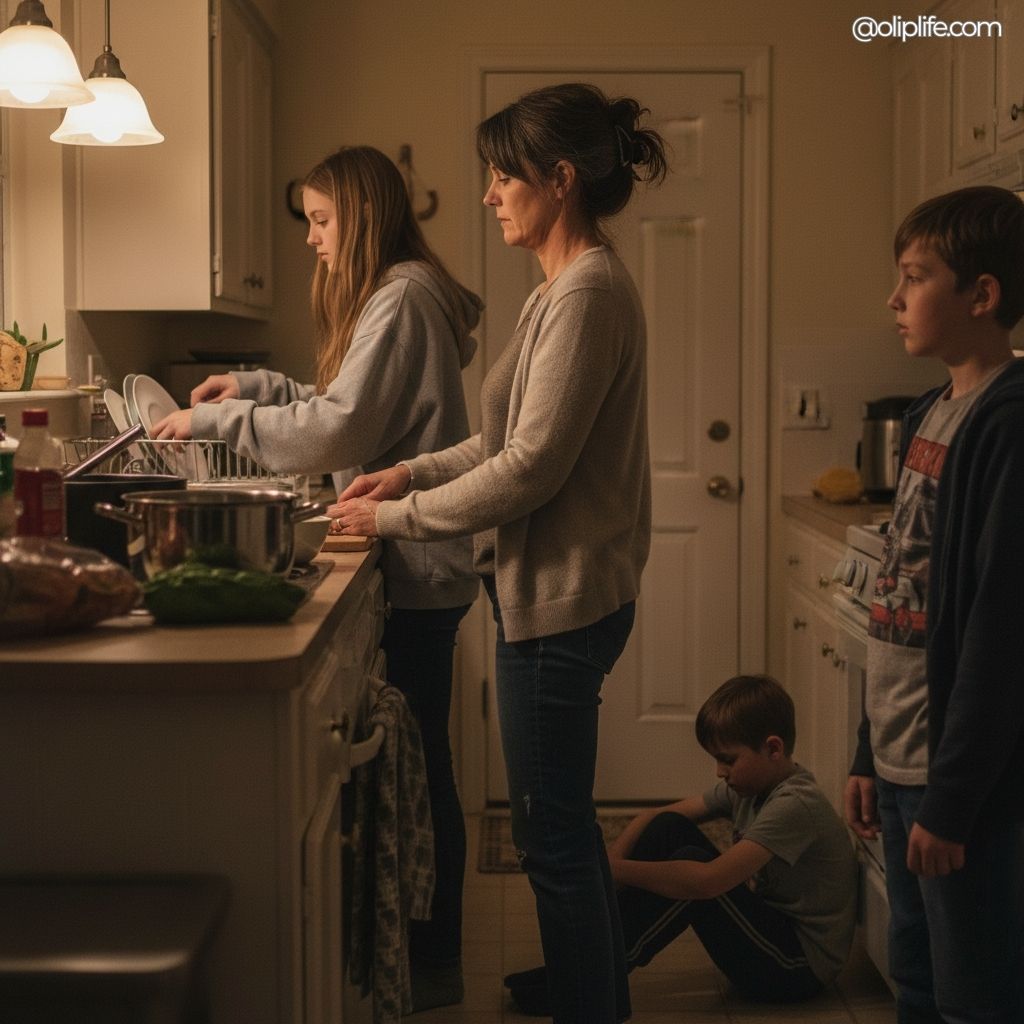
The realization deepened weeks later during a conversation with Lucy that had nothing to do with schedules or plans.
She mentioned, almost casually, that she often waited to see how stressed everyone else seemed before deciding whether to bring something up.
She said it as if it were normal, even responsible.
That sentence landed hard.
Because it confirmed what I had begun to suspect.
The pattern wasn’t just about flexibility or logistics. It was about emotional hierarchy. About who adjusted first. About whose discomfort was considered manageable.
Lucy adjusted herself.
Ben adjusted the rules.
Owen adjusted the volume of the room.
And I adjusted my expectations accordingly.
Seeing the Pattern Changed How I Responded
Once I could see the pattern, I couldn’t keep responding the same way.
I didn’t dismantle it overnight. I didn’t call a family meeting to announce a new philosophy. I simply started interrupting the pattern in small, deliberate ways.
When plans changed, I named it out loud instead of rushing past it.
When Lucy went quiet, I checked in rather than assuming she was fine.
When Ben questioned something, I listened for the concern instead of bracing for conflict.
When Owen reacted physically, I focused on regulation without immediately trying to fix or silence him.
Most importantly, I slowed myself down.
The pattern thrived on speed. Awareness weakened it.
What Happened When the Pattern Loosened
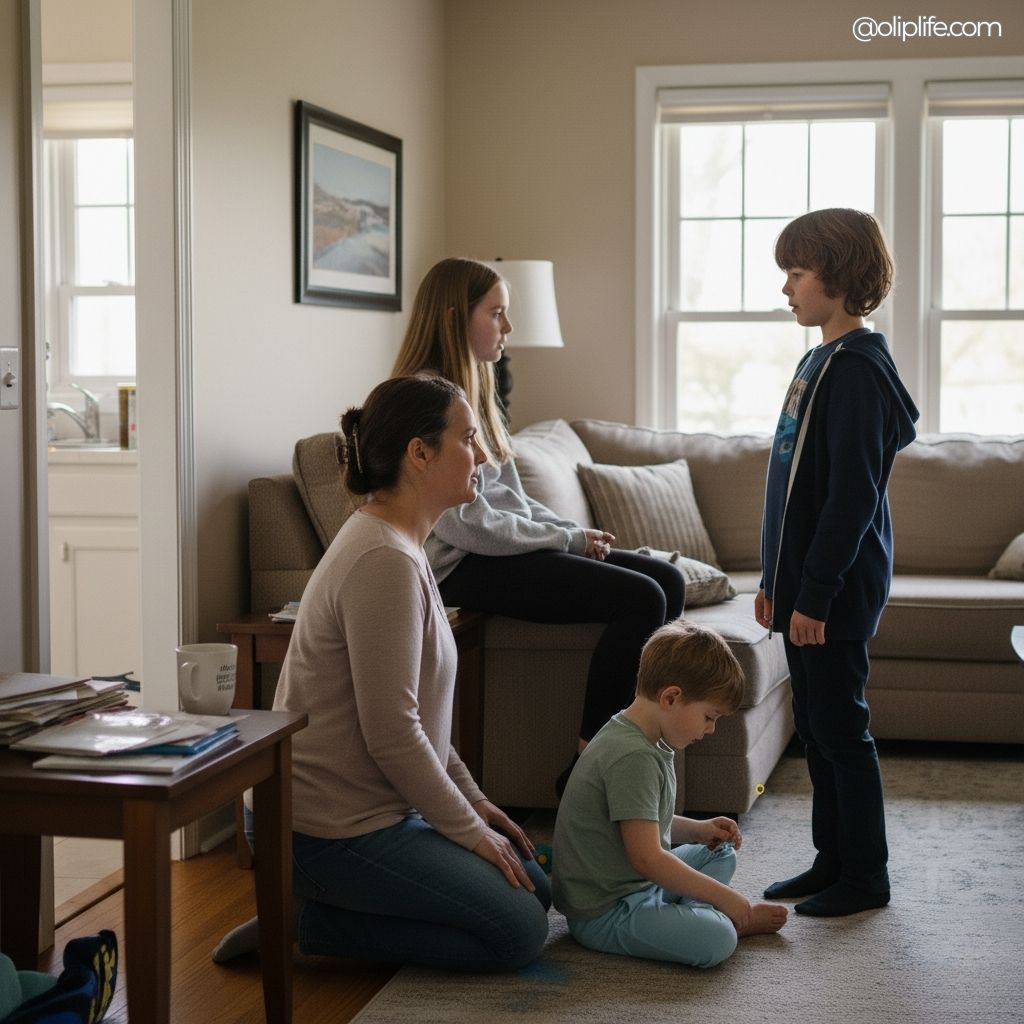
The changes weren’t dramatic, but they were noticeable over time.
Lucy began speaking up earlier, before her discomfort hardened into withdrawal.
Ben softened his tone when he felt genuinely heard instead of dismissed.
Owen recovered more quickly when his reaction was treated as information rather than disruption.
The household didn’t become calmer overnight. But it became more responsive.
The kids didn’t change who they were. They gained more room to be different versions of themselves.
Why Patterns Persist Until They’re Named
Families run on patterns because patterns create efficiency.
They help us move quickly. They reduce decision-making. They create predictability in environments that are otherwise chaotic.
The problem isn’t that patterns exist.
The problem is that they often operate without reflection.
Children adapt to what works. Parents reinforce what reduces friction. Over time, those adaptations harden into expectations, and expectations turn into roles.
The only way to interrupt that process is to notice it while it’s happening.
What I Know Now
I no longer ask myself why my children react so differently to the same situation.
I ask what they’ve learned about our family system that makes those reactions make sense.
That question has changed everything.
It has shifted my focus from correction to curiosity, from behavior to context, from individual children to the environment we’re all moving through together.
Final Thoughts
The family pattern I didn’t notice until all three kids reacted differently wasn’t hidden because it was subtle.
It was hidden because it was familiar.
It felt normal. It felt necessary. It felt like the price of keeping things running smoothly.
But when I finally slowed down enough to see it, I realized something important.
Patterns don’t need to be eliminated to be harmful or helpful. They need to be understood.
When parents take the time to notice the invisible rules shaping their household, they gain the power to loosen them, soften them, and make space for more than one way of being.
That awareness doesn’t make family life perfect.
It makes it more honest.
And in a family, honesty is often the beginning of real connection.