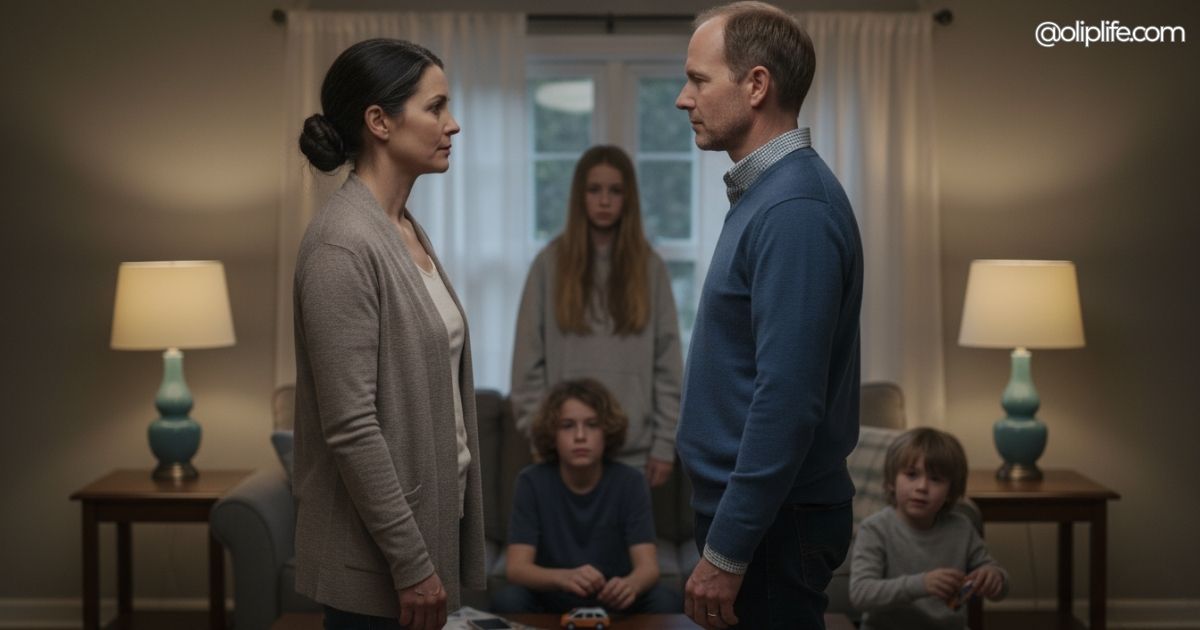
I didn’t grow up watching adults disagree in front of me. Conflict, when it existed, stayed behind closed doors or dissolved into silence before it had a shape. By the time I became a parent, I had absorbed the idea that calm parenting meant keeping tension invisible, especially between adults. If my husband and I disagreed, the goal was to smooth it over quickly, quietly, and preferably out of earshot.
What I didn’t understand then was that silence teaches just as much as shouting does.
The first time I realized this wasn’t during a dramatic argument. It was during an ordinary evening, the kind that doesn’t register as memorable until later. Dinner dishes half-done, homework sprawled across the table, one child upset about something that didn’t make sense to the others. Daniel and I disagreed about how to handle it. Not sharply. Not loudly. Just enough that our different instincts surfaced.
We didn’t stop the conversation when the kids walked through the room. We didn’t escalate it either. We kept talking, calmly, but honestly.
And later, one of our children asked a question that made it clear they had been paying attention in a way I hadn’t anticipated.
That moment stayed with me. Not because it felt like a success, but because it unsettled a long-held assumption about what children are supposed to witness.
What Children Actually Notice When Parents Disagree Calmly
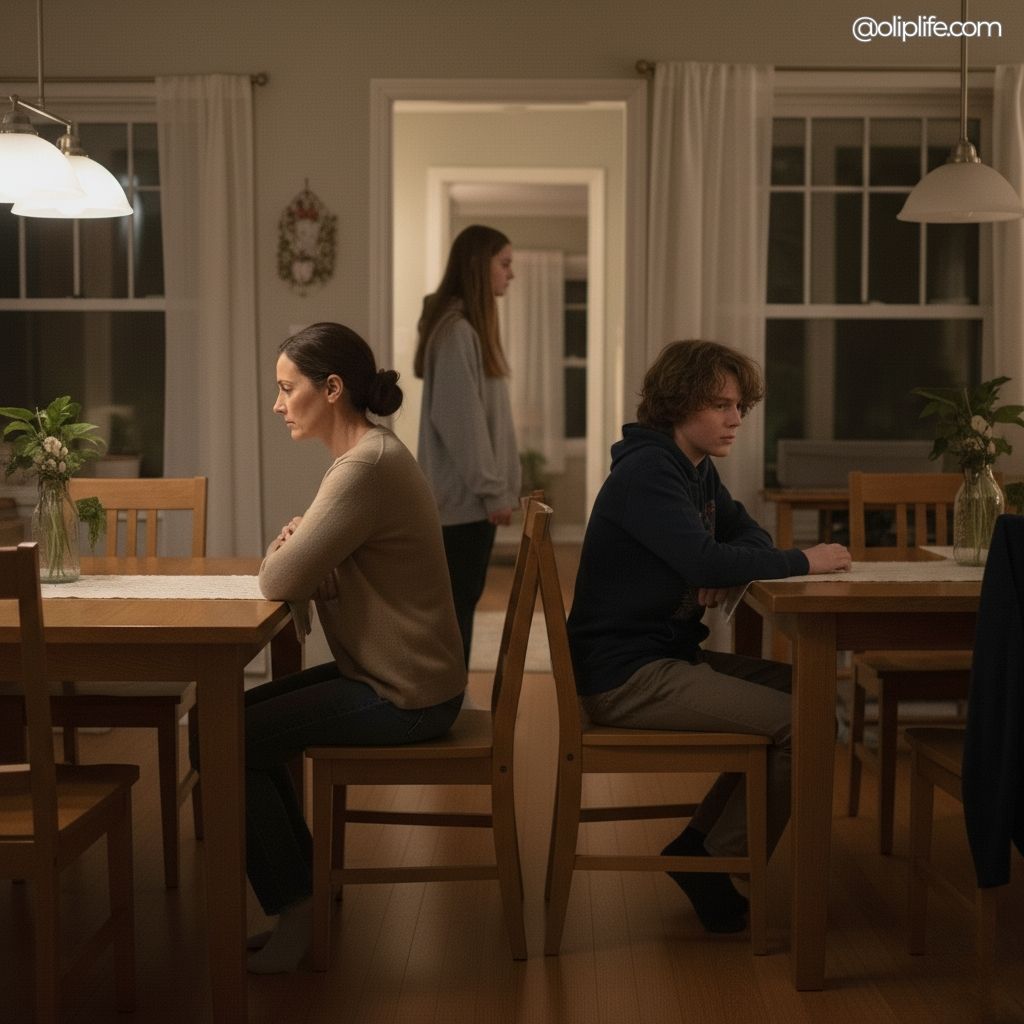
Parents often assume that the absence of raised voices equals emotional safety. And sometimes that’s true. But calm disagreement isn’t automatically neutral. Children don’t just register volume. They track tone, timing, body language, pauses, who speaks first, who stops speaking, and what happens afterward.
When parents disagree calmly, children are watching for something more subtle than resolution. They are watching for orientation.
They are asking questions they don’t yet have words for.
Who has power here.
Whose feelings matter.
What happens when two people want different things.
Whether disagreement ends in repair or retreat.
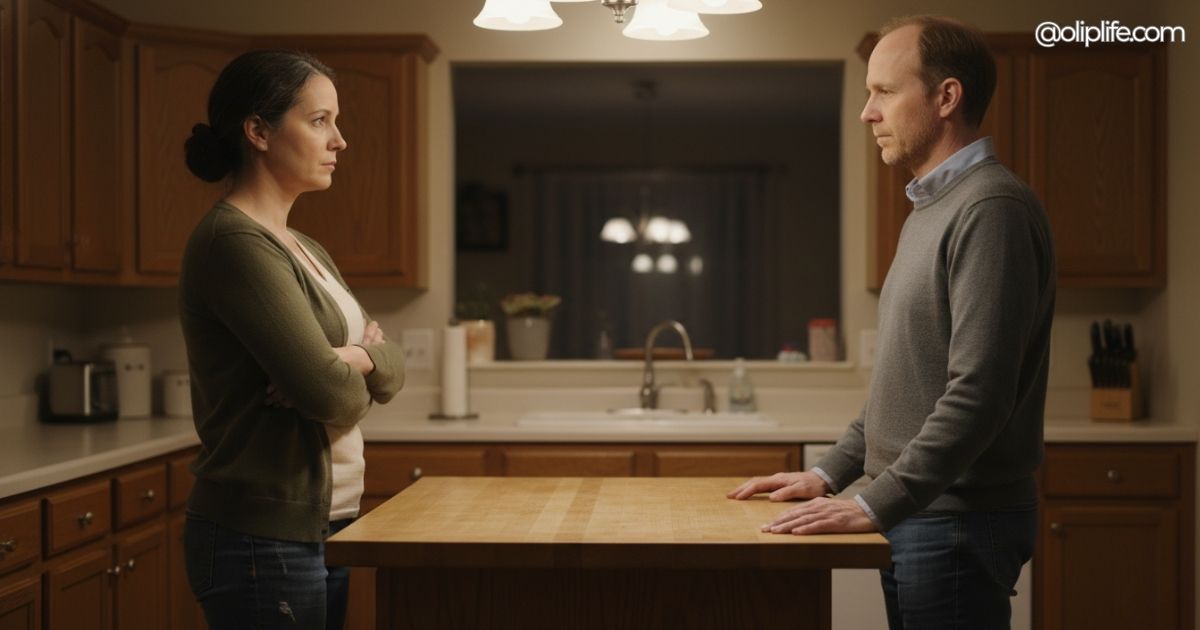
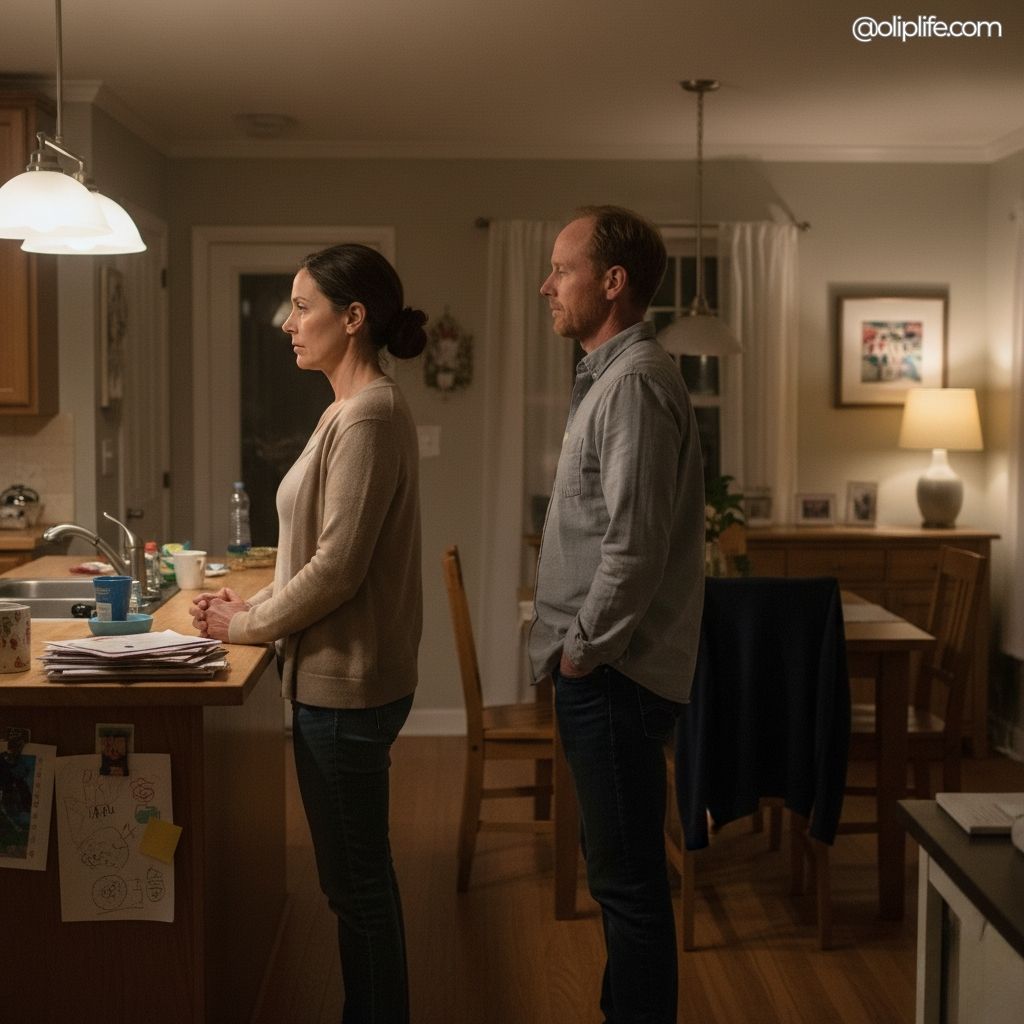
In our house, calm disagreement usually looks like measured voices, careful language, and a visible effort to stay reasonable. On the surface, it appears stable. But underneath, there are differences in pace, priority, and emotional interpretation. Daniel tends to step back and contextualize. I tend to lean in and respond to what feels immediate. Neither approach is wrong. But when those approaches meet, something has to give.
Our children see that moment of friction even when it’s quiet.
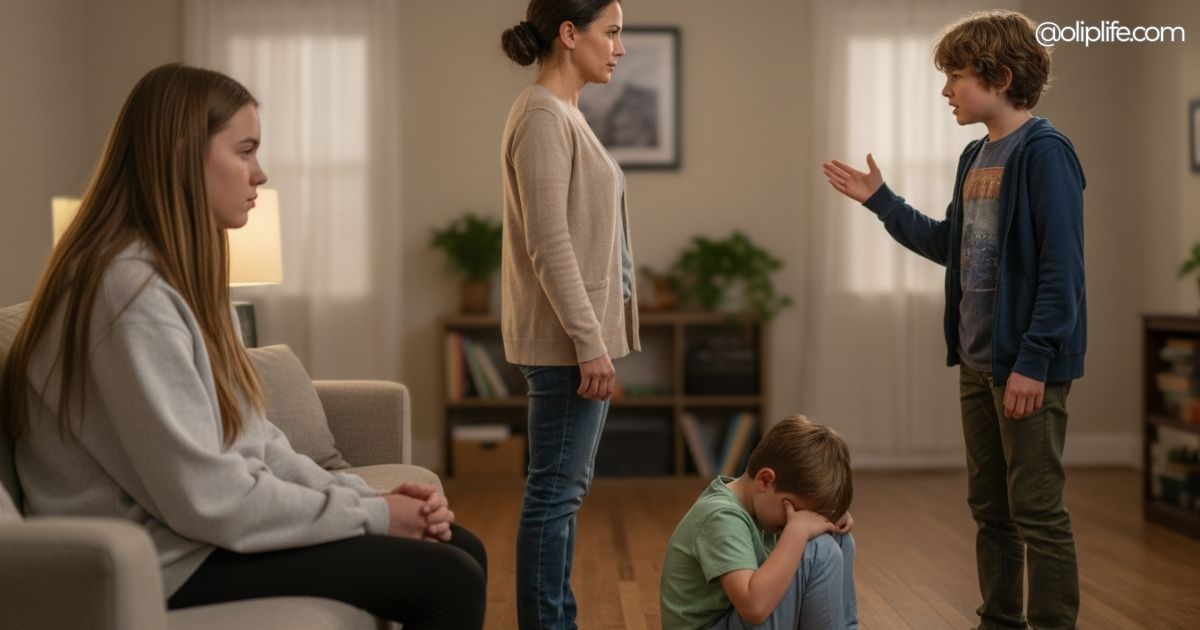
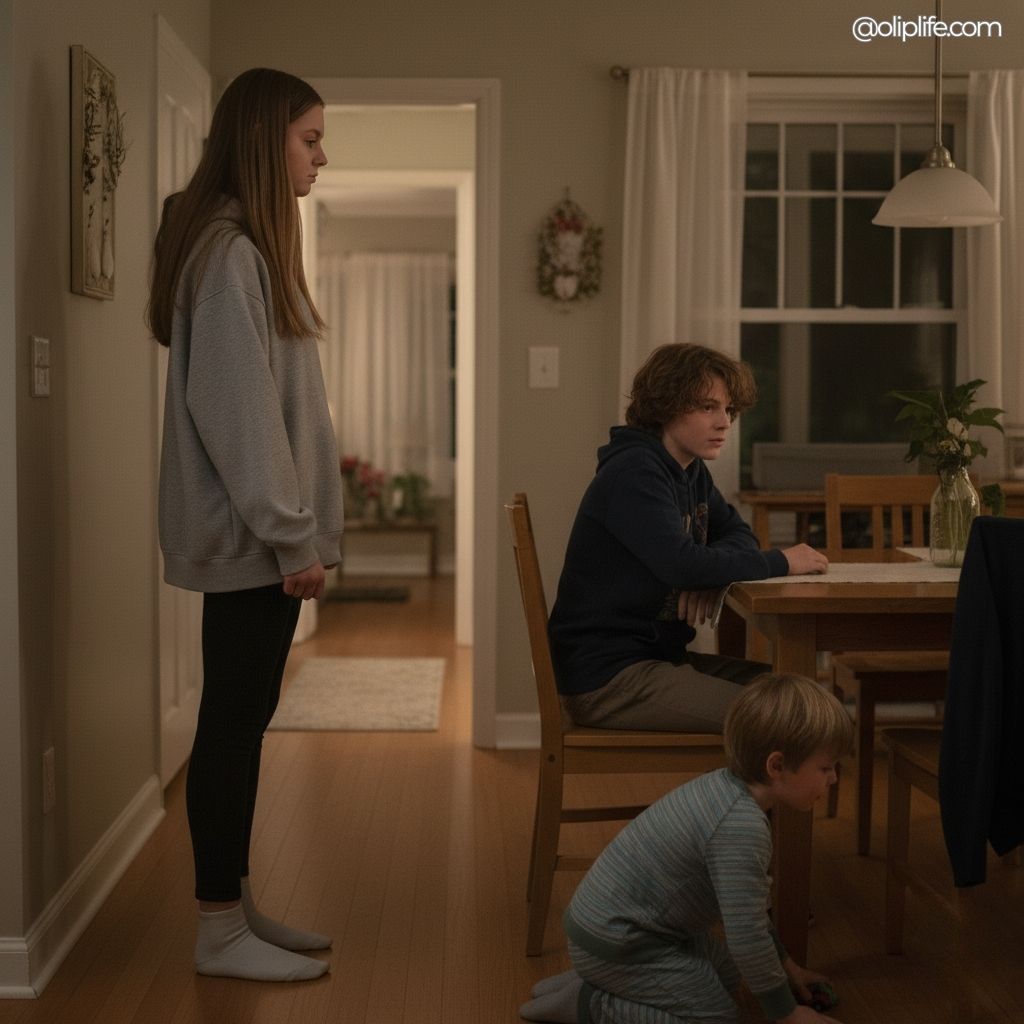
Lucy, our oldest, notices shifts almost instantly. Her body stills. She becomes observant in a way that suggests she’s collecting data. Ben listens for fairness. He tracks who is being heard and who is being interrupted. Owen senses the emotional temperature before he understands the words. He becomes more physical, more restless, as if trying to regulate the room with his body.
None of this comes from raised voices. It comes from tension that hasn’t yet found a landing place.
What children learn in these moments depends less on how calm we sound and more on what we do with the disagreement once it’s named.
Do we stay engaged or subtly withdraw.
Do we signal curiosity or certainty.
Do we model flexibility or quiet insistence.
Calm disagreement teaches children whether conflict is survivable. Not because it disappears, but because it moves somewhere.
What Happens When Calm Becomes Containment Instead of Engagement
There is a version of calm disagreement that looks regulated but isn’t actually relational. I know this version well because I practiced it for years without realizing what it was doing.
It sounds like reason.
It looks like self-control.
It feels responsible.
But it functions as containment rather than engagement.
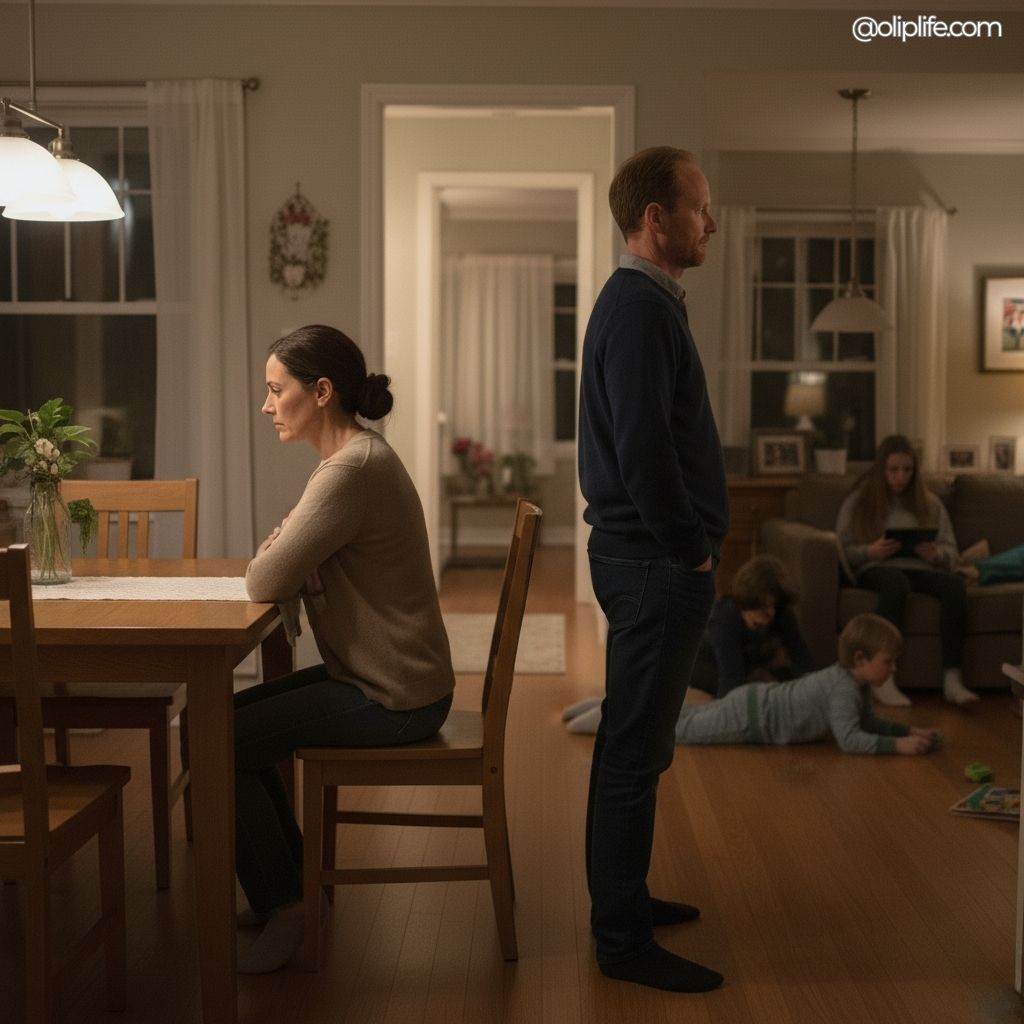
In this mode, disagreement is handled efficiently. Points are made carefully. Emotion is minimized. The conversation ends without resolution, but also without rupture. On the surface, it appears mature.
Children, however, are sensitive to what doesn’t get said.
When parents disagree calmly but never return to the disagreement, children learn that conflict is something to manage privately and move past without integration. They learn that opposing views coexist without interaction. They learn that discomfort is something to tolerate quietly rather than understand collaboratively.
For Lucy, this sometimes looks like self-silencing. She learned early that quiet keeps the peace, even if it leaves questions unanswered. For Ben, it shows up as persistent verbal processing. He wants to finish the conversation that adults abandoned. For Owen, it manifests physically. He acts out the unresolved tension because his body doesn’t yet know how to store it internally.
None of this means calm disagreement is harmful. It means calm alone isn’t the lesson children need.
What they need to see is what happens next.
Do parents revisit the issue later.
Do they acknowledge unresolved feelings.
Do they name the difference instead of smoothing over it.
Children don’t need front-row seats to adult conflict. But they do need evidence that disagreement doesn’t fracture connection.
The Difference Between Calm Disagreement and Shared Authority
One of the most surprising things I’ve learned is that children don’t need parents to agree. They need parents to share authority.
Shared authority doesn’t mean consensus. It means visible respect for differing perspectives. It means no one wins by outlasting the other. It means decisions are made without erasing the disagreement that informed them.
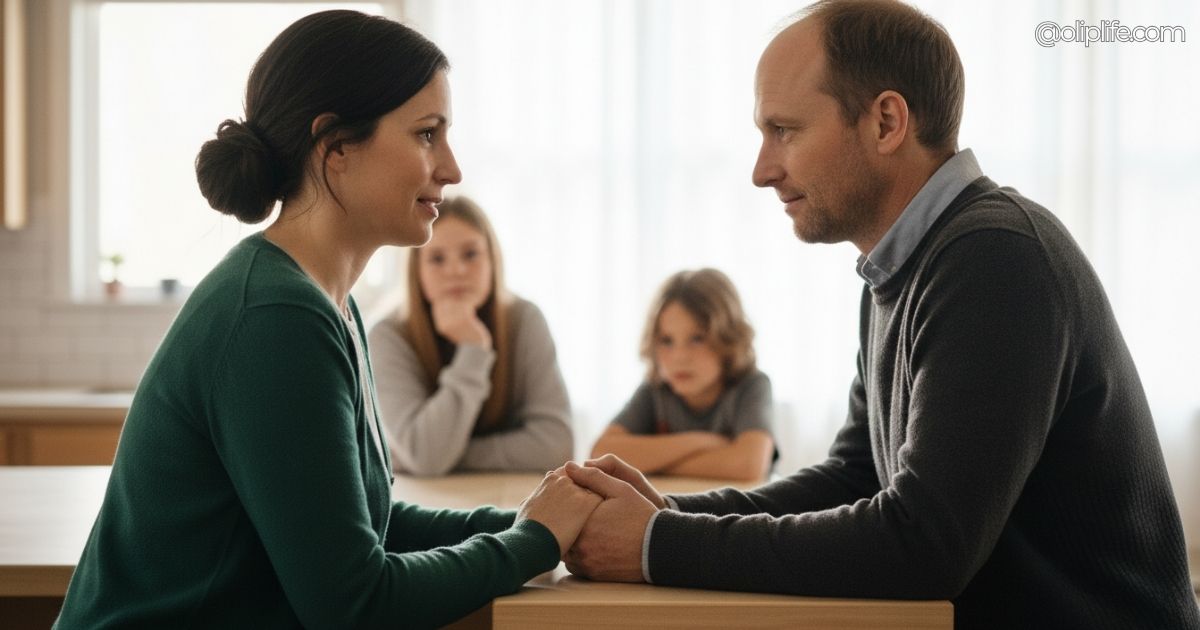
When Daniel and I disagree calmly and stay present, our children see something specific: two adults holding different interpretations of the same moment without collapsing into dominance or disengagement.
This matters more than we often realize.
Children learn whether authority is rigid or responsive.
They learn whether power is positional or relational.
They learn whether disagreement threatens belonging.
In moments where Daniel and I articulate our differences openly, something shifts. The children don’t always like the outcome, but they understand the process. They see that decisions are shaped, not imposed. That reasoning can be shared without being combative. That adults can remain connected while disagreeing.
This doesn’t require perfect execution. It requires acknowledgment.
Sometimes that looks like one of us saying, “I see this differently, and I need time to think.” Sometimes it looks like naming the tension out loud: “We’re not on the same page yet.” Sometimes it means returning later and saying, “I thought more about what you said.”
These moments teach children that disagreement is part of collaboration, not a threat to it.
What Kids Learn About Emotion When Voices Stay Low but Stakes Stay High
Calm disagreement can be misleading if it masks emotional stakes. Children are excellent at detecting emotional undercurrents even when language stays controlled.
If parents speak calmly while holding resentment, children learn that emotion is something to hide rather than integrate. If parents remain polite while dismissing each other’s concerns, children learn that power can be exercised quietly.
What matters isn’t the absence of intensity. It’s the presence of honesty.
In our home, some of the most instructive moments came when we named the emotional weight beneath the calm. Saying things like, “This matters to me more than I expected,” or “I’m frustrated and trying to stay thoughtful,” changed the atmosphere more than any resolution ever did.
Children don’t need adults to offload emotion onto them. But they do need to see emotion acknowledged as part of decision-making rather than something to suppress.
When calm disagreement includes emotional clarity, children learn that feelings don’t disqualify reason. They inform it.
This is especially important for children who internalize or externalize emotion differently. One child may learn that restraint is safety. Another may learn that expression is danger. Calm disagreement that includes emotional transparency helps recalibrate those assumptions.
The Long-Term Lesson Children Carry Forward
Children don’t remember every disagreement. They remember patterns.
They remember whether disagreements ended in silence or synthesis.
They remember who adjusted and who stayed fixed.
They remember whether calm felt connective or distancing.
Years from now, our children will not recall the specifics of why we disagreed. They will recall whether disagreement felt navigable.
They will carry those lessons into friendships, partnerships, and workplaces. They will decide whether to speak up or stay quiet based on what disagreement cost them early on.
Calm disagreement, when paired with engagement, teaches children that conflict doesn’t require escalation or avoidance. It teaches them that difference can coexist with connection. That authority can be shared without being diluted.
But calm without engagement teaches something else. It teaches children to manage discomfort alone.
That distinction matters.
Why This Is Harder Than It Sounds
Disagreeing calmly is often praised as a parenting ideal. What isn’t acknowledged is how much internal work it requires.
It asks parents to tolerate ambiguity.
To sit with unresolved differences.
To resist the urge to win or withdraw.
It requires emotional regulation without emotional erasure.
For those of us who grew up in homes where conflict was minimized, this can feel especially unnatural. Calm disagreement may feel like progress even when it still avoids deeper engagement.
The work isn’t in keeping voices low. It’s in staying present.
And staying present is often the hardest part.
Calm disagreement is not a performance for children. It’s a relational practice.
When parents disagree calmly and remain engaged, children learn that difference doesn’t dissolve connection. They learn that authority can be shared without confusion. They learn that emotional complexity doesn’t require dramatic expression to be real.
They also learn that understanding takes time.
And that may be one of the most practical lessons we offer them.